Introduction
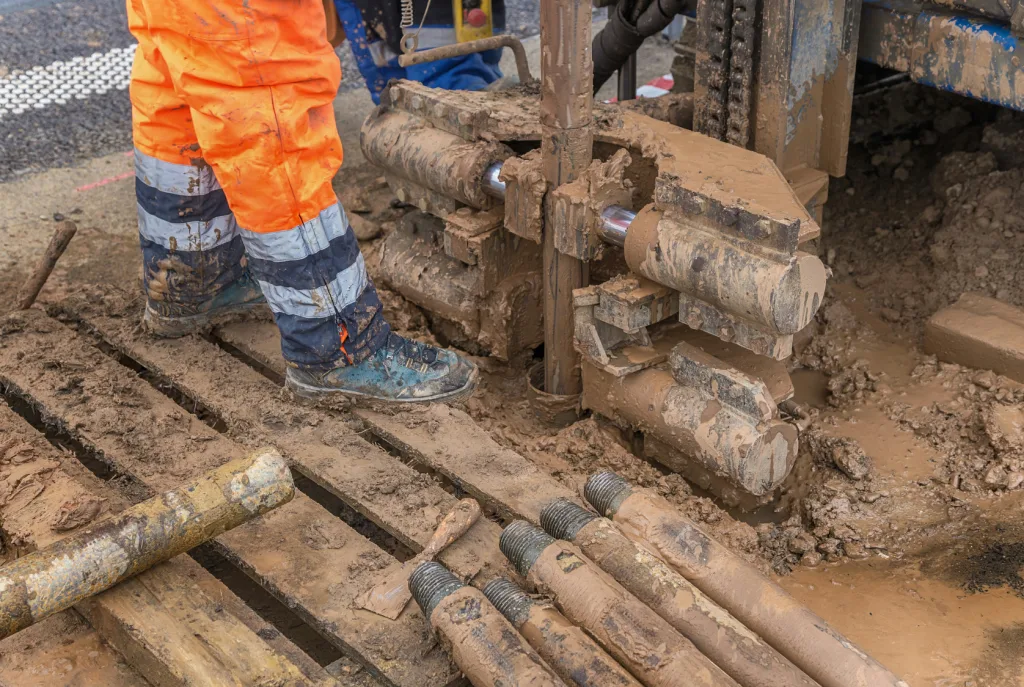
Hydroxyethyl Cellulose (HEC) is a water-soluble, non-ionic cellulose ether widely used in oilfield applications. It serves as a key additive in drilling muds, completion fluids, and cementing systems, offering multifunctional benefits such as HEC viscosity control, improved lubricity, and effective fluid loss reduction. As a biodegradable drilling fluid additive, HEC meets the growing demand for sustainable oilfield chemicals.
Produced by top-tier HEC manufacturers, including Celotech, and available through trusted suppliers, advanced grades like Celopro® HE100000S provide consistent and high-quality performance under demanding field conditions.
Key Functional Benefits of HEC in Oilfield Fluids
1. Rheology Modification and HEC Viscosity Control
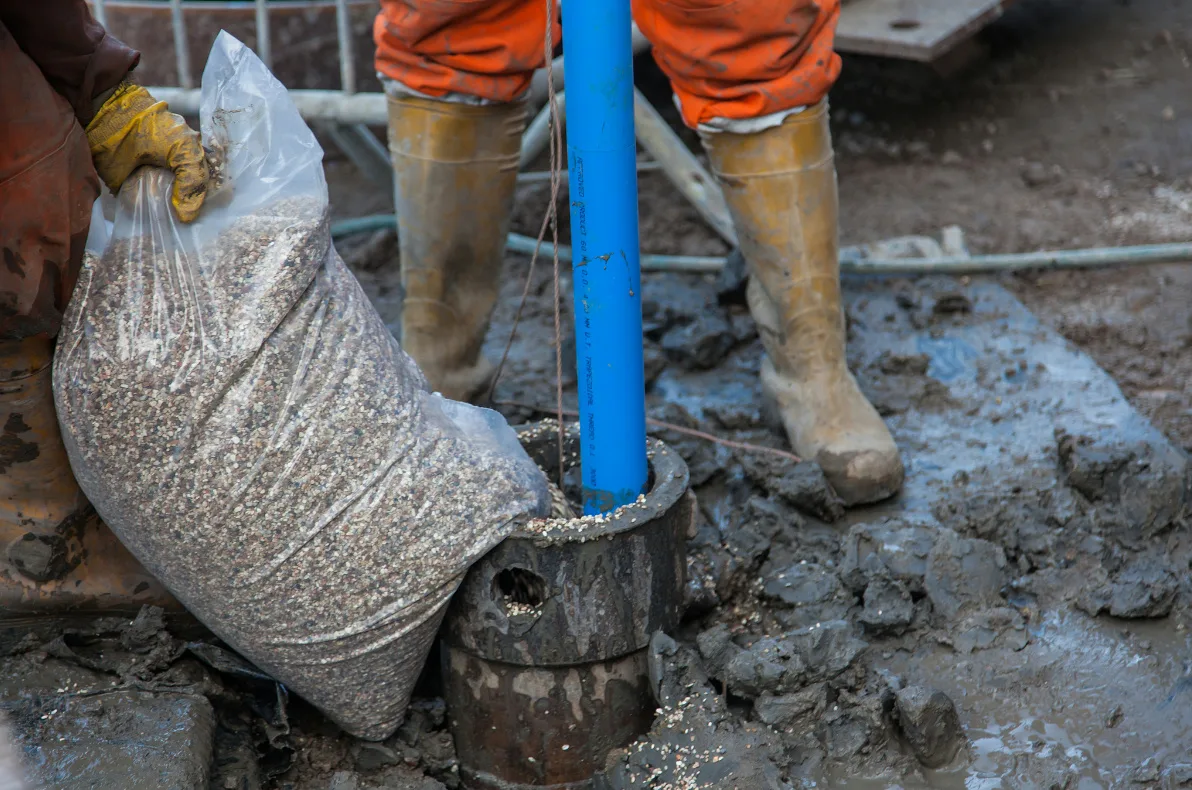
HEC significantly improves the rheology of water-based drilling fluids by enhancing viscosity and gel strength. This ensures effective cuttings suspension and transport, particularly in directional or horizontal wells where solids removal is critical to wellbore stability.
🔍 Technical Insight: Gel strength, measured in lb/100 ft², indicates a fluid’s ability to suspend solids under static conditions. High gel strength helps avoid barite sag and stuck pipe issues when circulation is interrupted.
2. Fluid Loss Reduction with Cellulose-Based Agents
As a cellulose-based fluid loss reducer, HEC forms a low-permeability filter cake on the wellbore wall, minimizing fluid invasion into the formation. This helps preserve reservoir productivity and supports wellbore integrity throughout the drilling process.
🔍 Technical Insight: Compared to PAC (Polyanionic Cellulose) or CMC, HEC offers superior stability across pH ranges and lower sensitivity to calcium ions, making it ideal for high-salinity or brine-based systems.
3. Improved Lubricity and Borehole Stability
HEC improves the lubricating properties of drilling fluids, reducing friction between the drill string and borehole wall. This is especially valuable in extended-reach and deviated wells, helping to lower torque and drag and reduce mechanical wear on drilling equipment.
4. Environmental Safety and Biodegradability
HEC is a biodegradable drilling fluid additive derived from natural cellulose, making it a safer alternative to synthetic polymers. It complies with strict environmental regulations, especially in offshore and environmentally sensitive drilling zones.
Applications of HEC in Oilfield Operations
✔ Completion and Workover Fluids
HEC is used to adjust the viscosity of completion fluids, ensuring effective displacement, particulate suspension, and minimized formation damage.
✔ Acidizing and Fracturing Fluids
In stimulation fluids, HEC regulates flow behavior, enhances viscosity, and improves proppant transport and acid placement efficiency.
✔ Cementing Slurries
HEC modifies the rheological behavior of cement slurries, providing excellent flow properties and controlling fluid loss to ensure zonal isolation.
Recommended Product: Celopro® HE100000S
Celopro® HE100000S is a high-viscosity Hydroxyethyl Cellulose grade specially developed by Celotech for high-performance oilfield applications. It features:
High molecular weight for maximum thickening efficiency
Superior HEC viscosity control in both freshwater and saline drilling fluids
Excellent fluid loss reduction as a cellulose-based fluid loss reducer
Enhanced particle suspension and filter cake quality
Compatible with a wide range of biodegradable drilling fluid additives
This grade is ideal for:
HEC for drilling muds
Completion and workover fluid systems
Cementing operations in both shallow and deep wells
To learn more or request samples, visit: https://www.celotech.com/product/celopro-he100000s/
Why HEC Is the Smart Choice for Oilfield Fluids
Reliable suspension and rheological control
Low fluid loss and effective filter cake formation
Eco-friendly and biodegradable formulation
Effective in both freshwater and brine systems
Readily available from leading China HEC suppliers and HEC manufacturers
Frequently Asked Questions (FAQ)
Q1: What makes Celopro® HE100000S different from other HEC grades?
A1: Celopro® HE100000S features ultra-high molecular weight and consistent viscosity performance, making it ideal for challenging drilling environments that require enhanced suspension and filtration control.
Q2: Can HEC be used in seawater or high-salinity drilling fluids?
A2: Yes, HEC grades like Celopro® HE100000S are compatible with brine-based systems and maintain performance in saline environments, although pilot testing is recommended for high salt concentrations.
Q3: Is HEC environmentally safe?
A3: Absolutely. HEC is biodegradable and non-toxic, making it compliant with most offshore and onshore environmental standards.
Q4: Where can I purchase Celopro® HE100000S?
A4: You can source Celopro® HE100000S directly from Celotech, a trusted HEC manufacturer with global distribution capabilities.
Q5: What drilling challenges can HEC help address?
A5: HEC helps address solids transport, torque reduction, wellbore stability, and fluid loss — all critical to improving drilling performance and protecting the reservoir.