

Redispersible Polymer Powder (RDP) in Wall Putty – How Vinabond® N511 Boosts Performance
Introduction
Wall putty plays a critical role in achieving a smooth, long-lasting surface before painting. Redispersible Polymer Powder (RDP) is a powerful additive that significantly enhances the performance of wall putty, improving adhesion, crack resistance, water repellency, and workability.
What is RDP?
RDP (Redispersible Polymer Powder) is a spray-dried polymer powder that redistributes into a stable emulsion when mixed with water. It forms a continuous polymer film that acts as a flexible binder between the wall substrate and the putty layer.
How RDP Works in Wall Putty
RDP consists of polymer particles with a protective water-soluble shell. Upon mixing with water, the particles redisperse and coalesce to form a strong, elastic film. This film reinforces the putty’s mechanical properties by:
Binding filler materials together
Enhancing substrate adhesion
Improving flexibility to absorb thermal or structural stress
Key Benefits of RDP in Wall Putty
- Enhanced Adhesion: RDP improves bonding strength, especially on uneven or highly absorbent surfaces like concrete or brick.
- Crack Resistance: The elastic polymer film absorbs minor movements and shrinkage, reducing the risk of hairline or structural cracks.
- Water Resistance: By reducing water permeability, RDP extends the durability of wall putty in humid environments such as kitchens, bathrooms, or exterior walls.
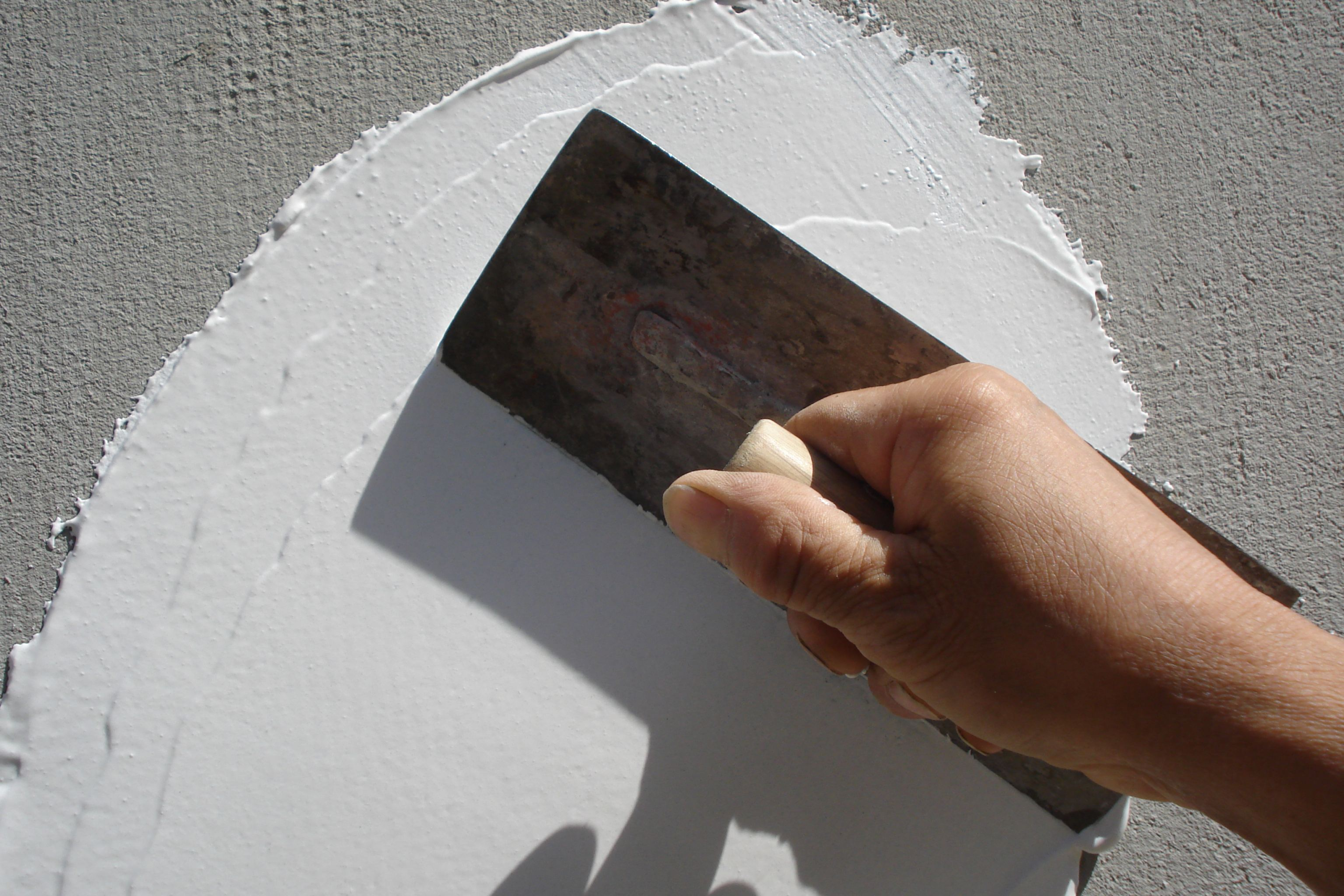
- Improved Workability: RDP-modified wall putty is easier to apply, spread, and smooth. It also improves open time and reduces material waste.
Applications of RDP in Wall Putty
Interior Wall Putty: Creates a uniform base for decorative coatings, ensuring long-term aesthetics.
Exterior Wall Putty: Offers resistance to rain, UV radiation, and thermal expansion, protecting surfaces from weather-induced damage.
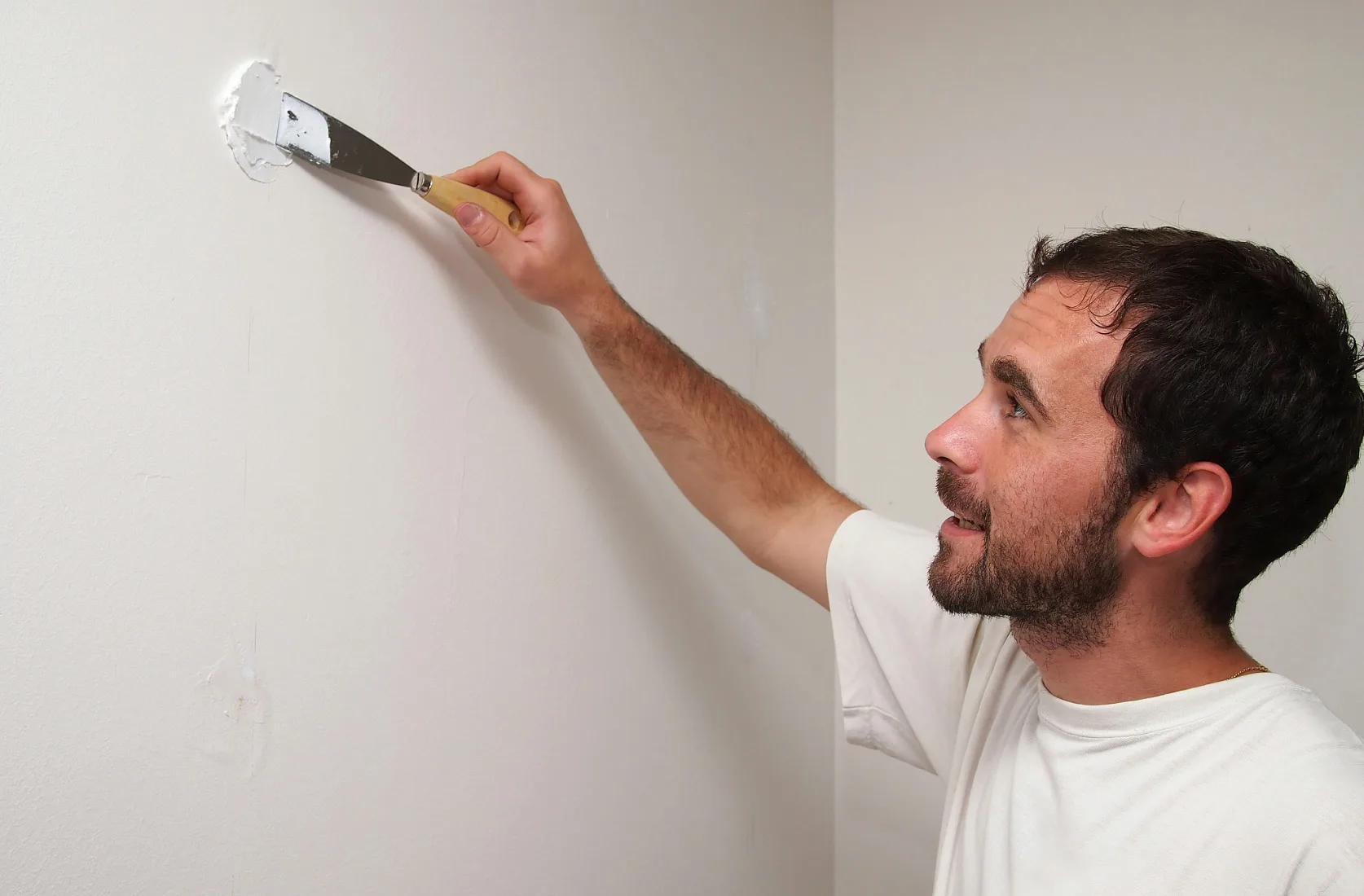
Repair Putty: Ideal for filling cracks, gaps, or holes due to its excellent adhesion and flexibility.
Recommended Product: Vinabond® N511
Vinabond® N511 is a high-performance RDP specially designed for wall putty applications. It delivers:
Superior Bonding Strength: Effectively prevents delamination and peeling.
Flexibility & Crack Prevention: Withstands substrate movements and shrinkage.
Water Repellency: Reduces moisture absorption, extending wall life in damp areas.
User-Friendly Application: Smooth trowelability and extended working time.
Versatility: Perfect for both indoor and outdoor construction, from residential homes to commercial buildings.
Typical Properties of Vinabond® N511 (Reference)
| Property | Value |
| Appearance | White free-flowing powder |
| Solid Content | ≥ 98% |
| Ash Content | 10–14% |
| Minimum Film Forming Temp. | ~0–5°C |
| pH (1% solution) | 5–8 |
| Application Recommendation | 1–3% by weight of the total dry mix |
Conclusion
Integrating a reliable RDP like Vinabond® N511 into wall putty formulations enhances durability, functionality, and workability. Whether for new construction or renovation, this high-performance polymer ensures that wall finishes remain strong, smooth, and crack-free over time.
FAQ:
Q1: What makes RDP essential in wall putty?
A: RDP improves bonding, flexibility, and water resistance, ensuring a smoother finish and greater durability for wall putty applications.
Q2: Can I use RDP in both interior and exterior putty?
A: Yes, RDP like Vinabond® N511 is suitable for both indoor and outdoor use, offering protection against humidity, UV rays, and temperature variations.
Q3: What percentage of RDP should be added to putty?
A: Typically, 1%–3% of RDP by weight of the dry mix is recommended, depending on performance requirements.
Q4: How does RDP affect the workability of wall putty?
A: It improves open time, spreading smoothness, and overall application ease, reducing labor fatigue and material waste.
Q5: Is Vinabond® N511 compatible with gypsum-based putty?
A: Vinabond® N511 is primarily designed for cement-based wall putty, but it may also be used in gypsum-based formulations after proper formulation testing. For optimal performance in gypsum systems, a tailored RDP may be recommended.