Dry mix Mortar

Dry mix Mortar

Optimizing Dry Mix Mortar Performance with HPMC and RDP

[At CELOTECH, we classify dry mix mortar into NINE major application categories, each designed to address specific functional requirements in modern construction. These include: Ceramic Tile Adhesive (CTA), Gypsum Binder, Joint Filler, Masonry Mortar, Flowable Mortar, Waterproof Mortar, Thermal Insulation System (EIFS), Plaster, and Wall Putty.
Each of these categories is further elaborated in the lower section of this page to help you better understand how our HPMC and RDP solutions optimize performance for each application.]

1. Hydroxypropyl Methyl Cellulose (HPMC): The Water Retention and Workability Enhancer

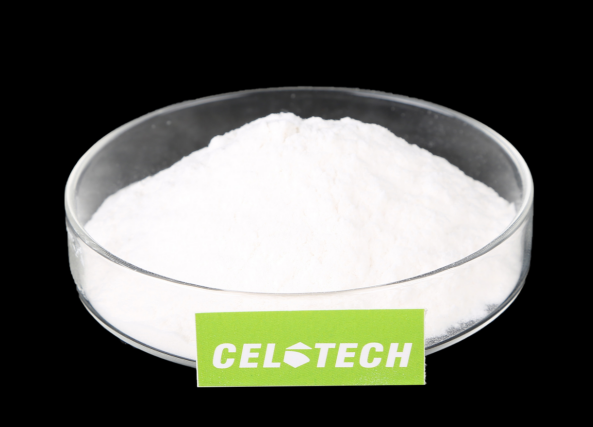
Hydroxypropyl methyl cellulose (HPMC) is a cornerstone additive in dry mix mortar, renowned for its unparalleled water retention capabilities. By delaying water evaporation, HPMC ensures complete cement hydration, significantly boosting mortar strength and crack resistance. Its unique thickening properties adjust thixotropy, enhancing construction smoothness and anti-sag performance—critical for vertical construction and tile adhesives.

Beyond workability, HPMC for construction strengthens the bond between mortar and substrate, reducing risks of hollowing and delamination. In high-temperature or arid environments, it extends open time and delays surface skinning, allowing ample time for adjustments. These attributes make HPMC indispensable in:

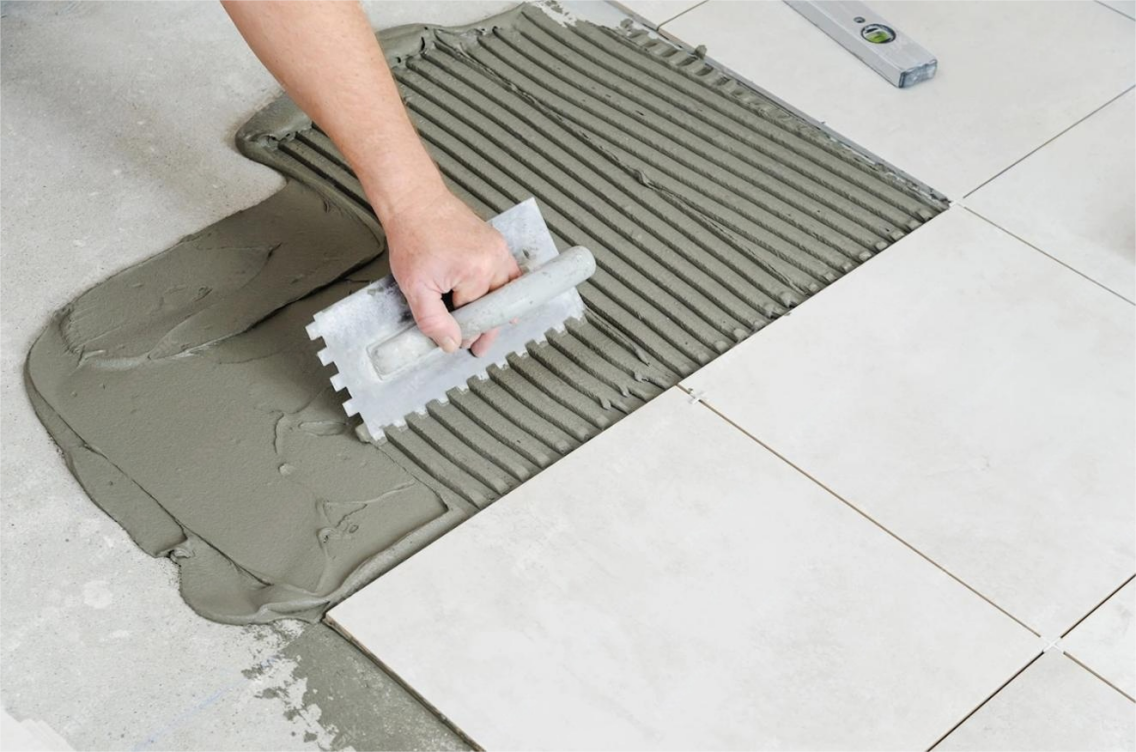
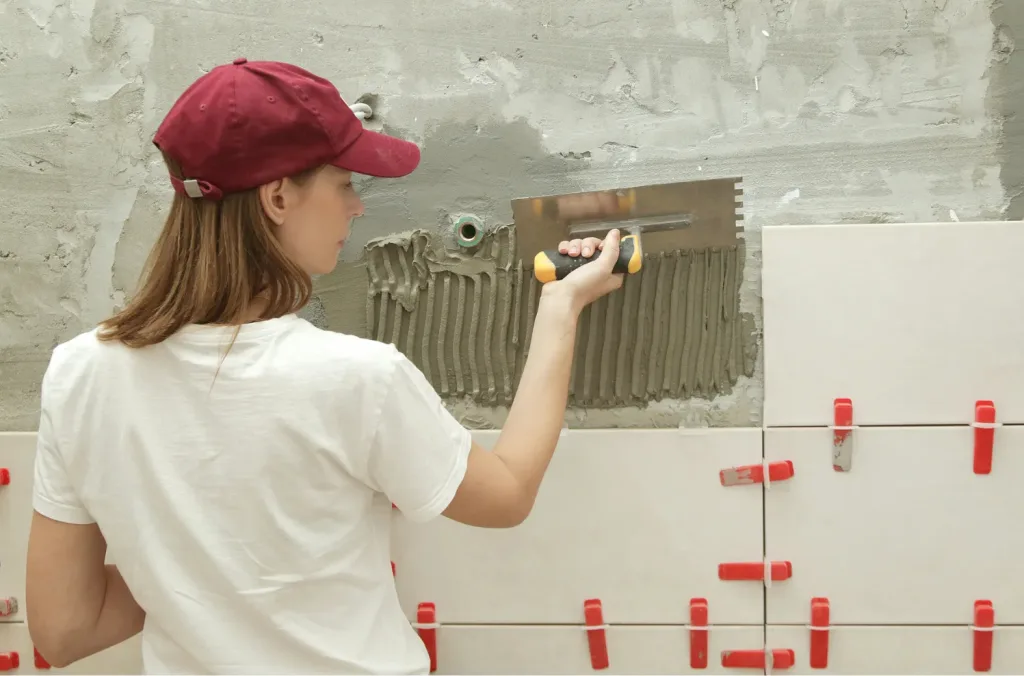
  • HPMC for tile adhesive: Improves adjustability and wet adhesion.
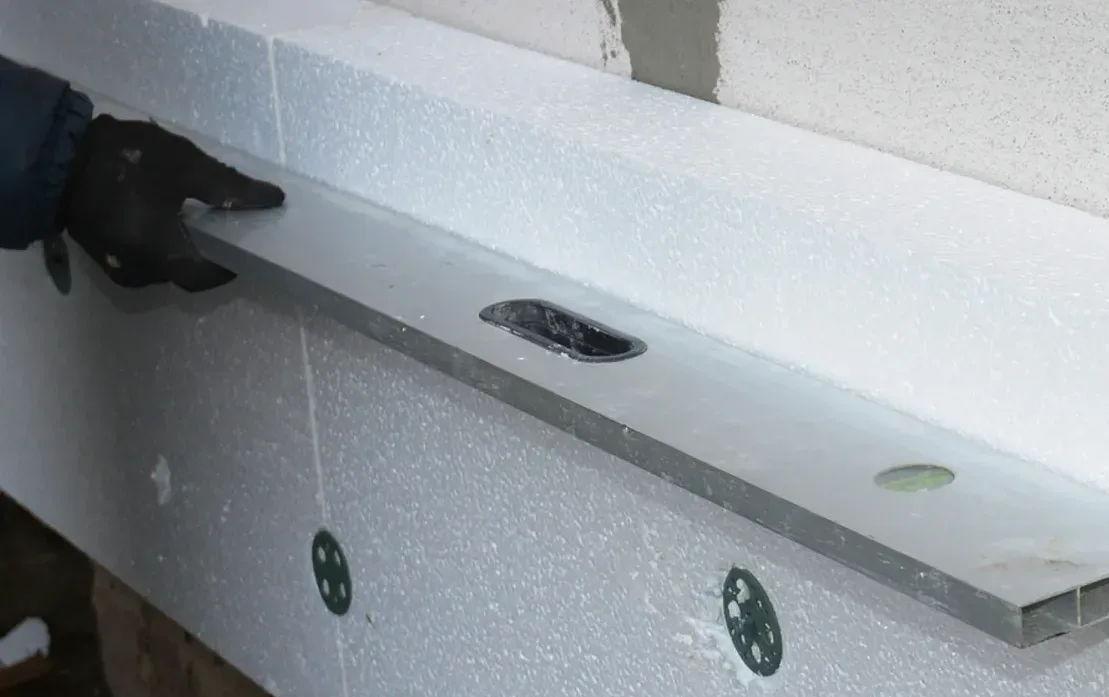
  • HPMC for exterior insulation systems (EIFS): Ensures consistent hydration in thin-layer renders.
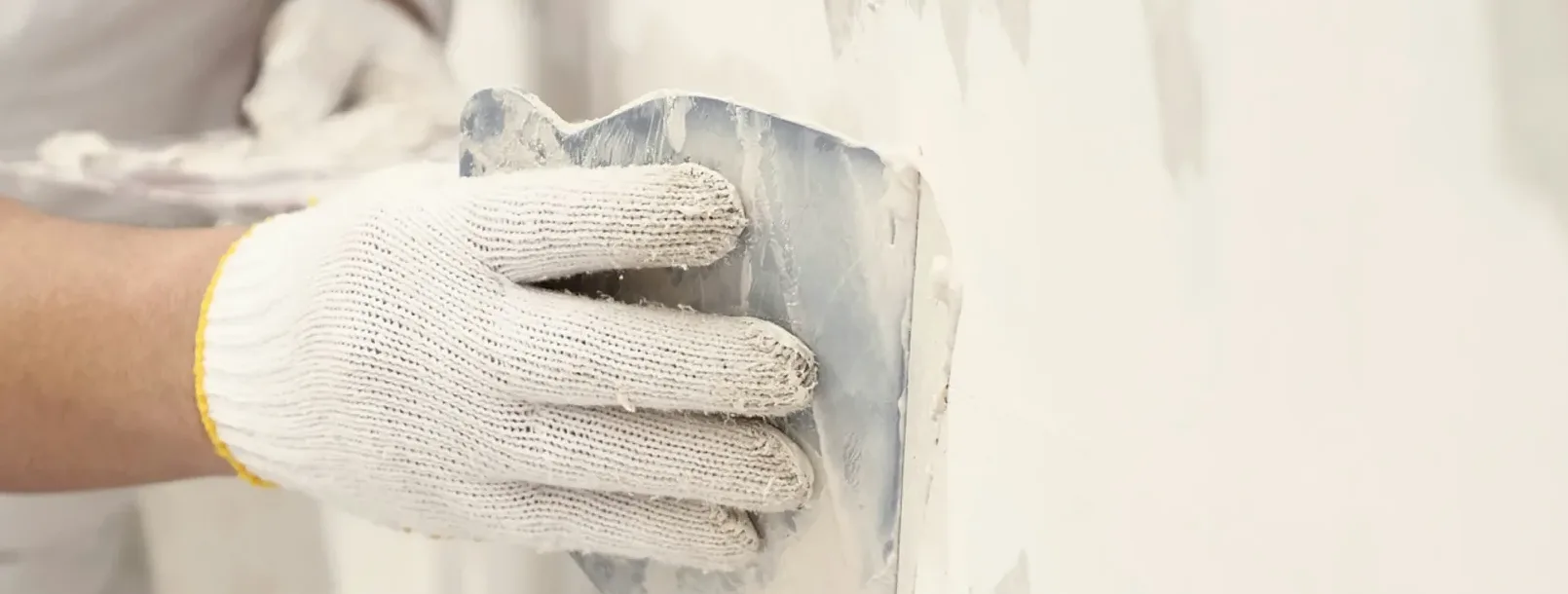
  • High-viscosity HPMC for putty: Delivers superior smoothness and crack resistance.

2. Redispersible Polymer Powder (RDP): The Flexibility and Adhesion Booster

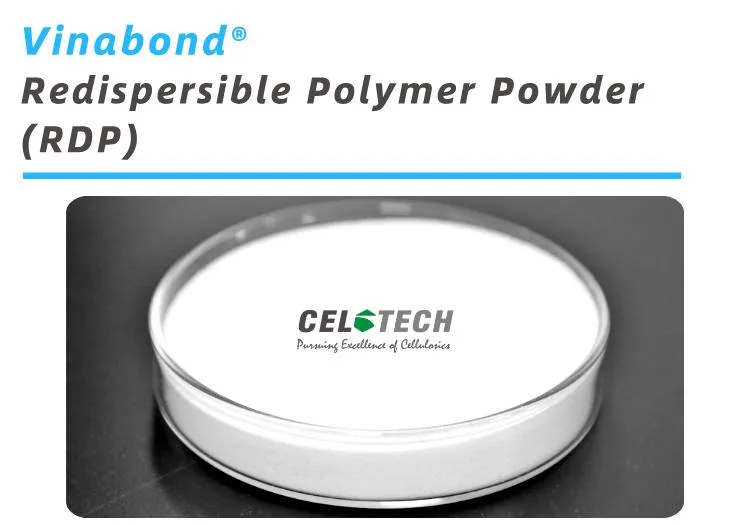
Redispersible Polymer Powder (RDP) is a vital component in modern dry-mix mortars, especially when paired with cellulose ethers such as HPMC or MHEC. As a leading construction-grade RDP additive, it enhances mortar performance by re-dispersing in water and forming a flexible, durable polymer film during the drying process. This mechanism improves adhesion, flexibility, and crack resistance in various cementitious systems.

Key Applications of RDP in Construction:

  • Tile Adhesive Additives:
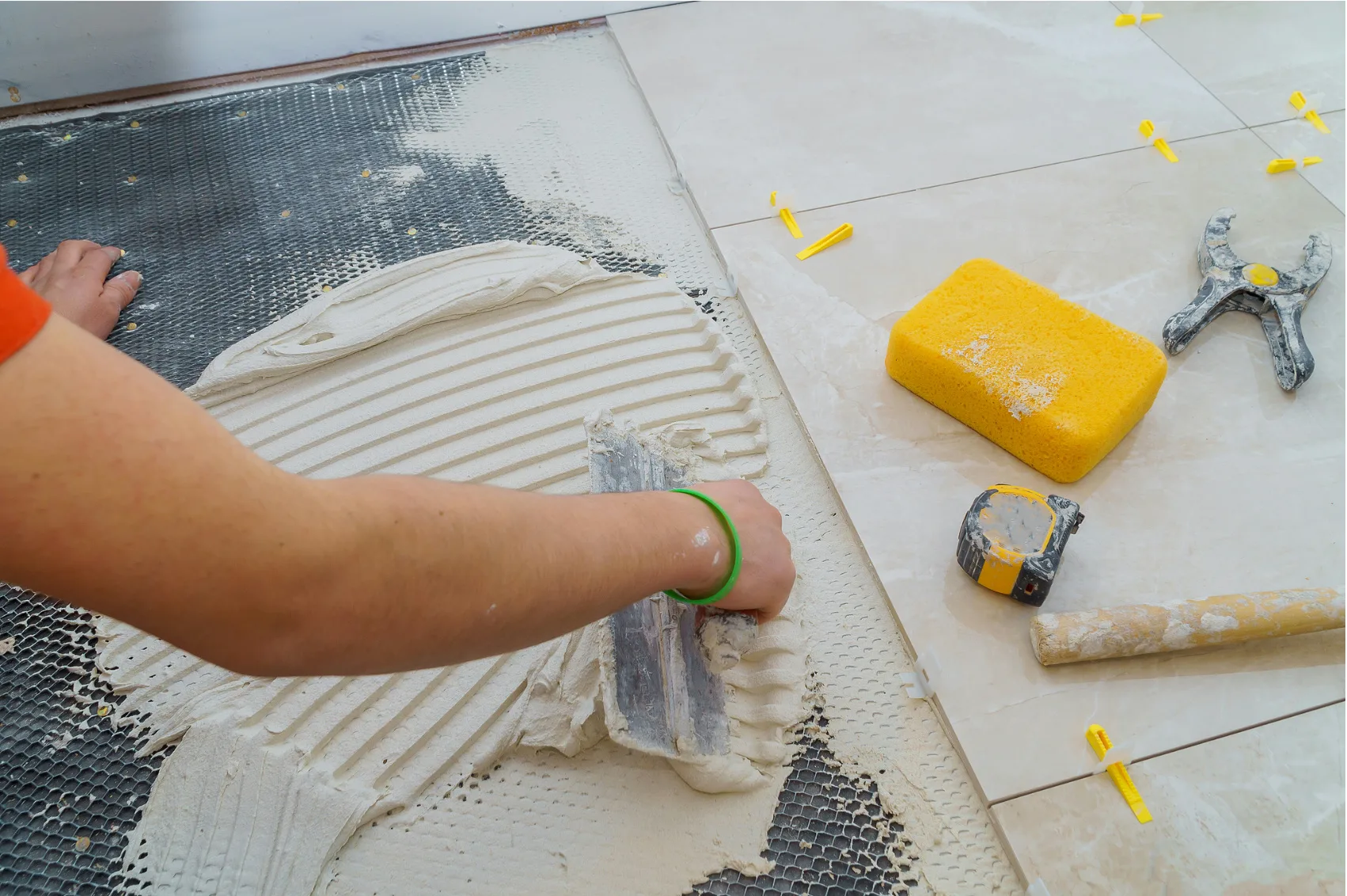
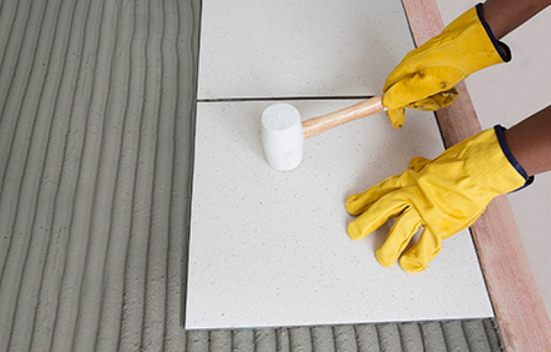
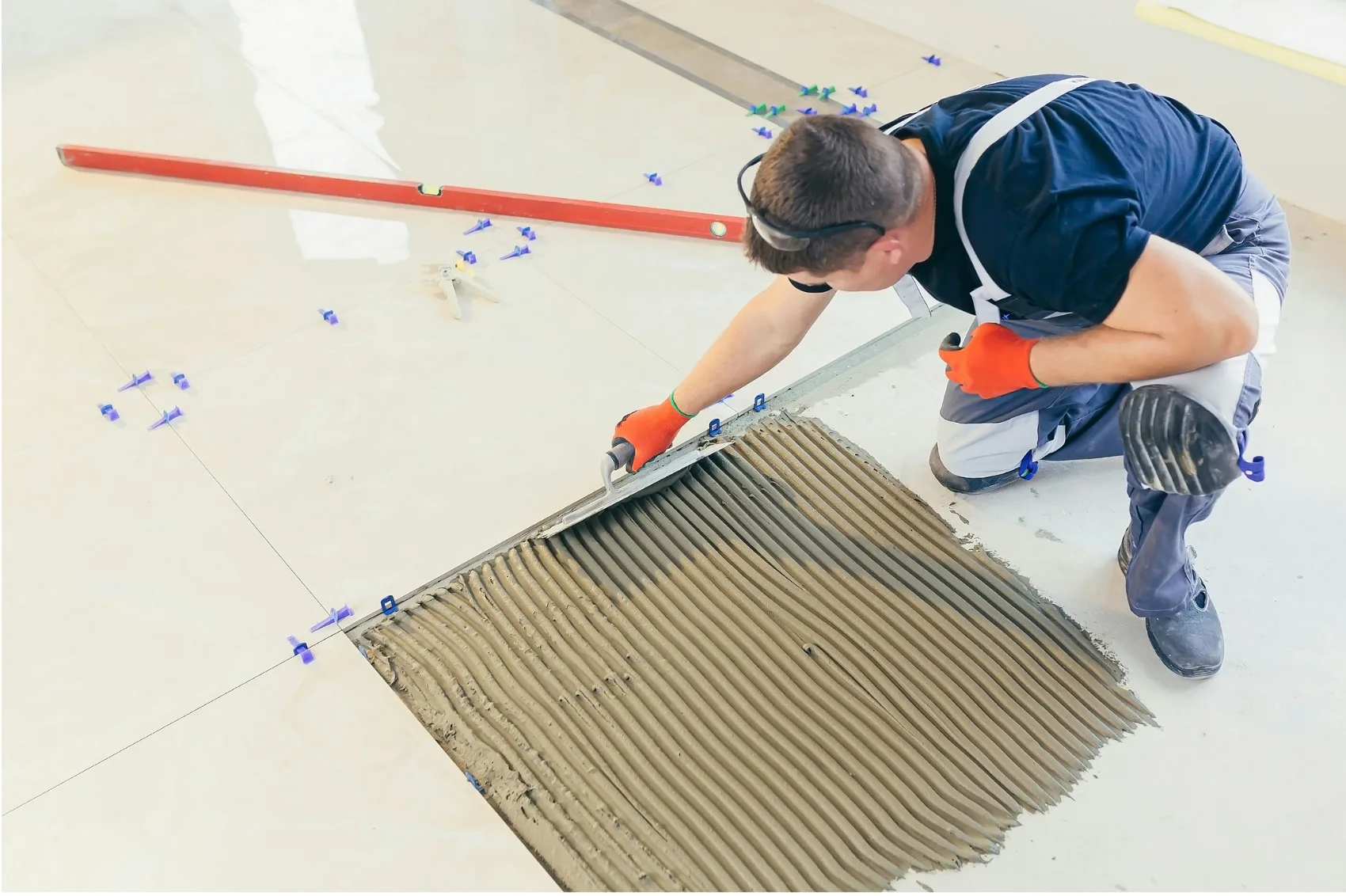
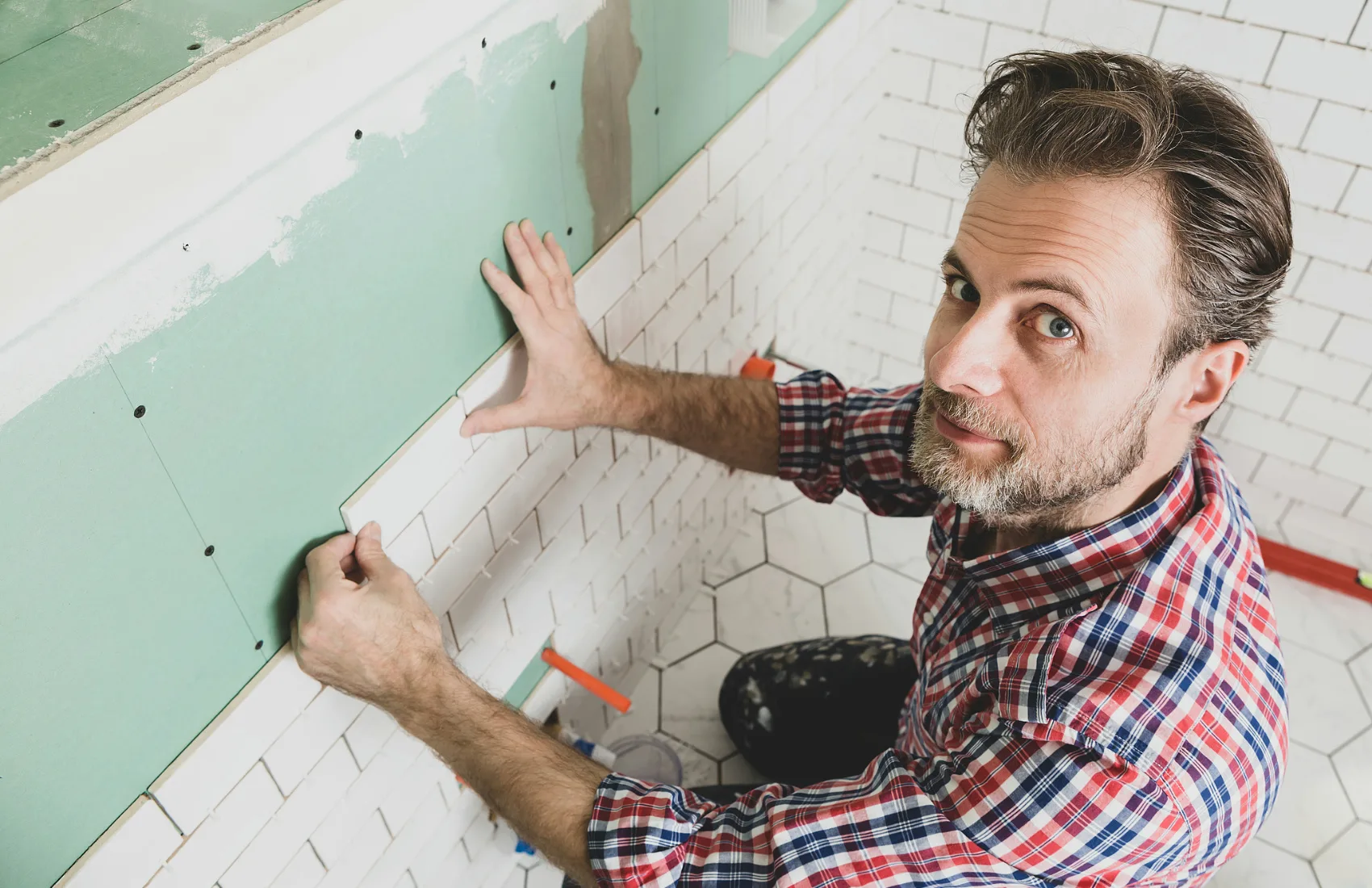
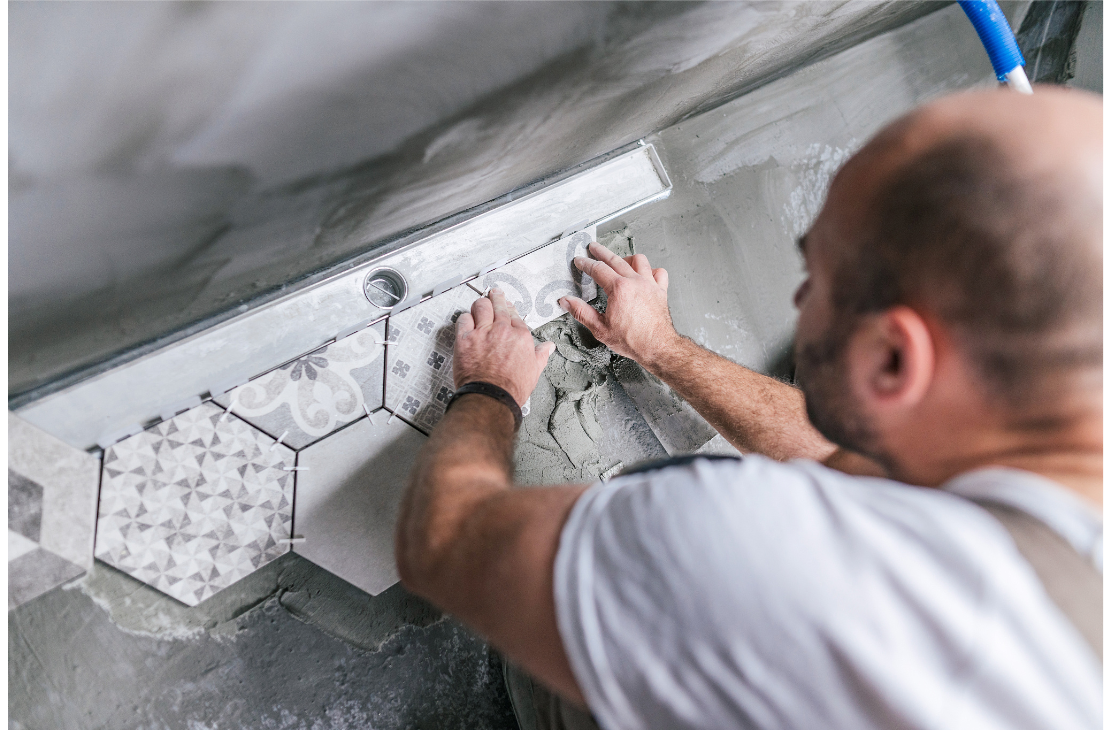
    RDP significantly improves the bonding strength and flexibility of tile adhesives. When used alongside HPMC for tile adhesives, it enhances open time, prevents tile hollowing, and improves wetting on low-absorption substrates.

  • RDP for Wall Putty and Cement Renders:
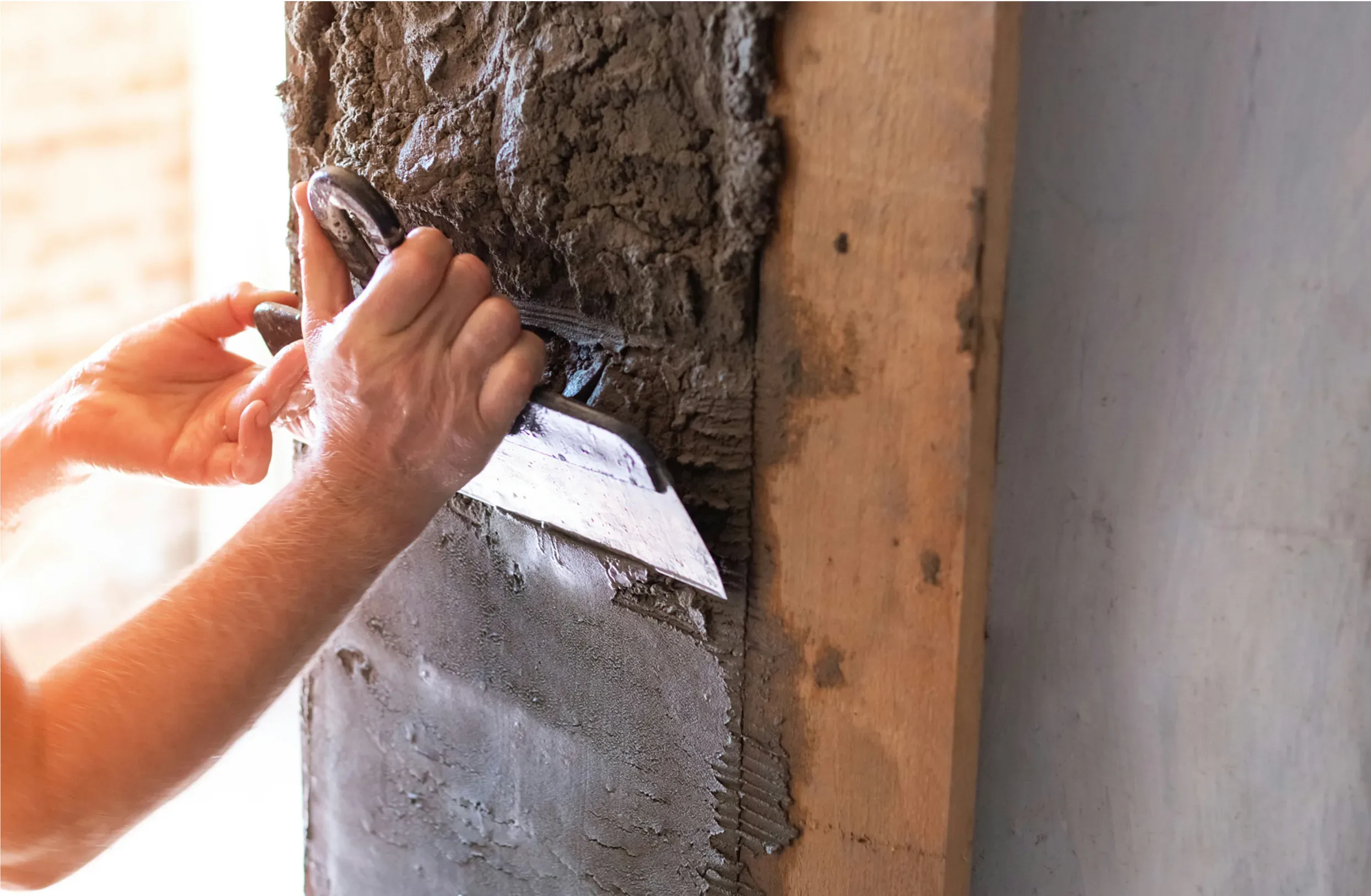
    In combination with MHEC for cement renders, RDP increases workability, boosts cohesion, and reduces the risk of drying shrinkage and surface cracks. This makes it ideal for achieving smooth, durable finishes in both interior and exterior applications.

  • RDP in EIFS Systems:
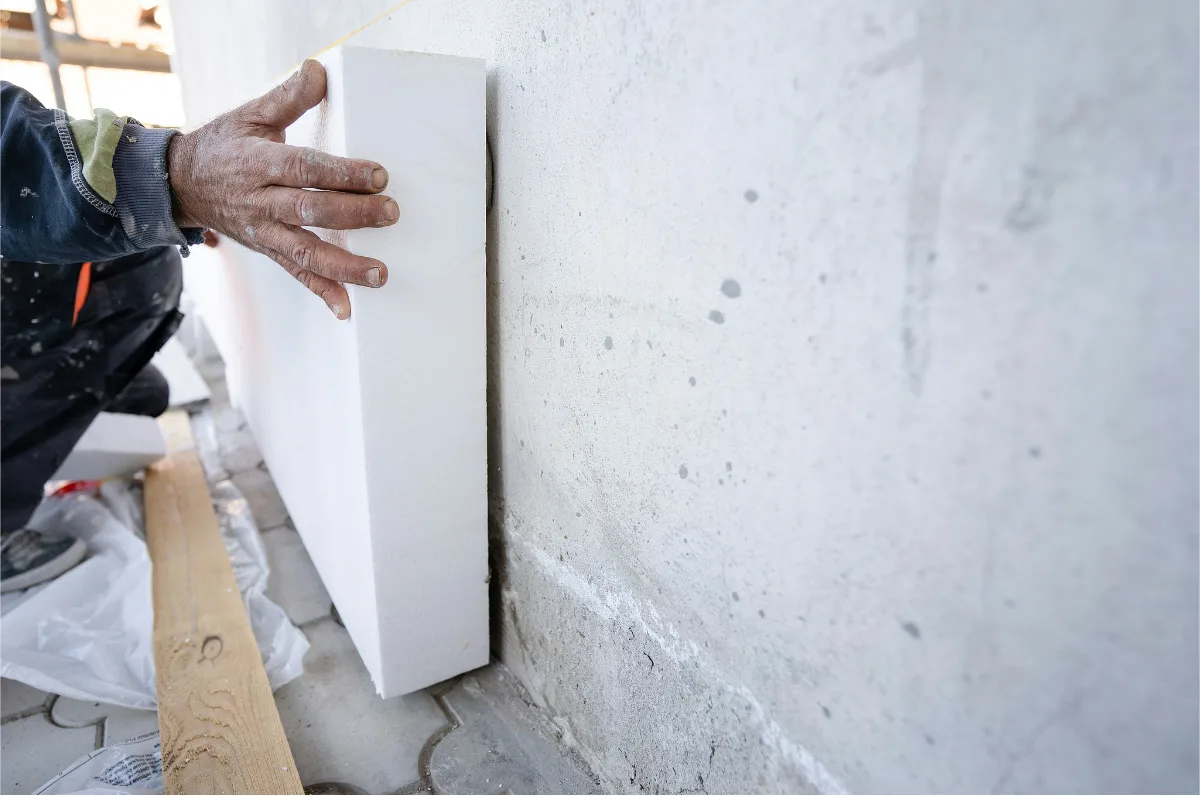
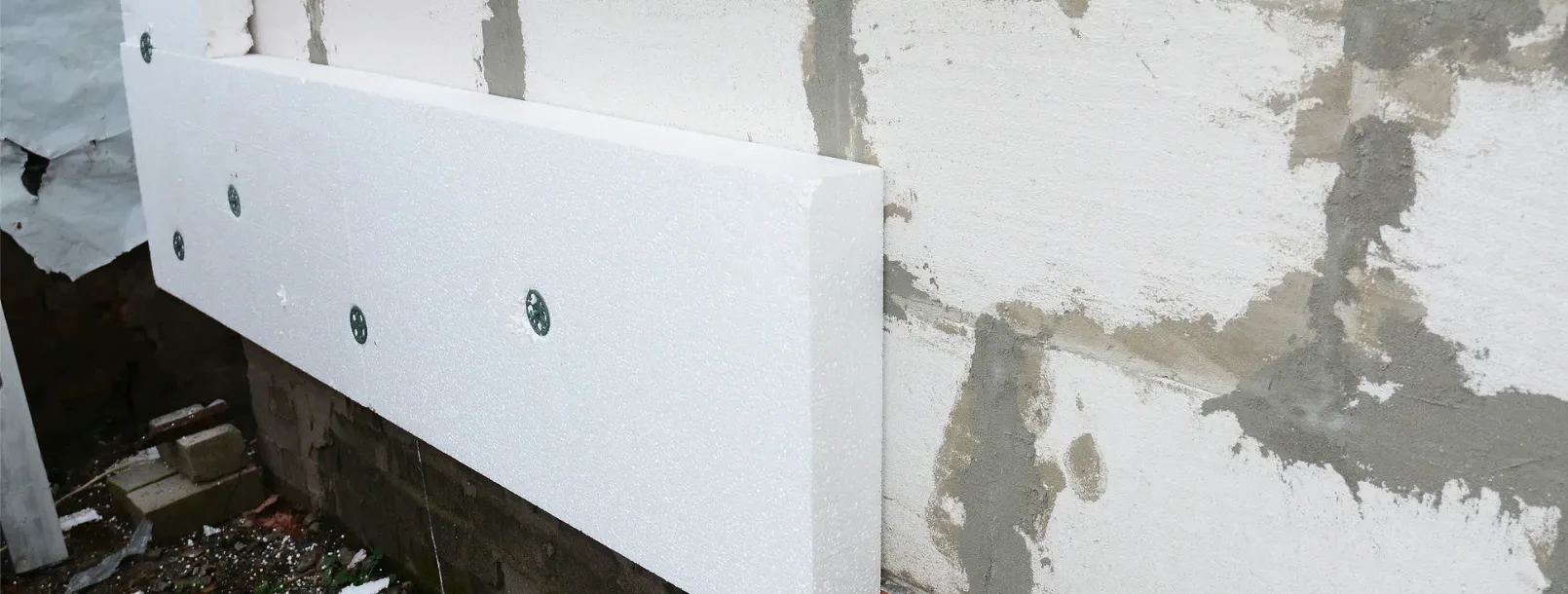
    In External Insulation and Finish Systems (EIFS), RDP improves resistance to thermal cycling, impact, and weathering. It enhances long-term durability and ensures strong adhesion between insulation boards and base coat mortars.

Whether you are seeking a reliable HPMC supplier or looking for high-performance tile adhesive additives, our Celopro® RDP solutions deliver consistent quality and technical advantages tailored for construction needs.

This synergistic combination of RDP with cellulose ethers makes it ideal for high-performance, easy-to-apply construction mortars.

RDP’s polymer matrix bridges cement hydrates, reducing shrinkage cracks and improving impact resistance—especially vital in dry-mix mortar subjected to mechanical loads. Combined with MHEC for dry-mix mortar, it ensures optimal sag resistance and extended open time.

As a trusted HPMC and RDP supplier for the construction industry, Celotech delivers a comprehensive range of high-performance additives tailored for modern dry-mix mortar systems. Our product portfolio includes HPMC, MHEC, and Redispersible Polymer Powder (RDP), specifically engineered to enhance:

  • Workability in tile adhesives and wall putty: HPMC and MHEC improve water retention, ensure smoother trowelability, and extend open time.

  • Adhesion to substrates: RDP strengthens the bond between mortar and surfaces, minimizing debonding and hollowing.

  • Durability and flexibility: Polymer-modified mortars with RDP exhibit better crack resistance, weather durability, and long-term stability.

Whether for putty, EIFS, or tile adhesives, our formulations leverage the synergy of HPMC and RDP to deliver mortars with unmatched strength, flexibility, and ease of use.

Dry Mix Mortar: Professional Solutions for Construction

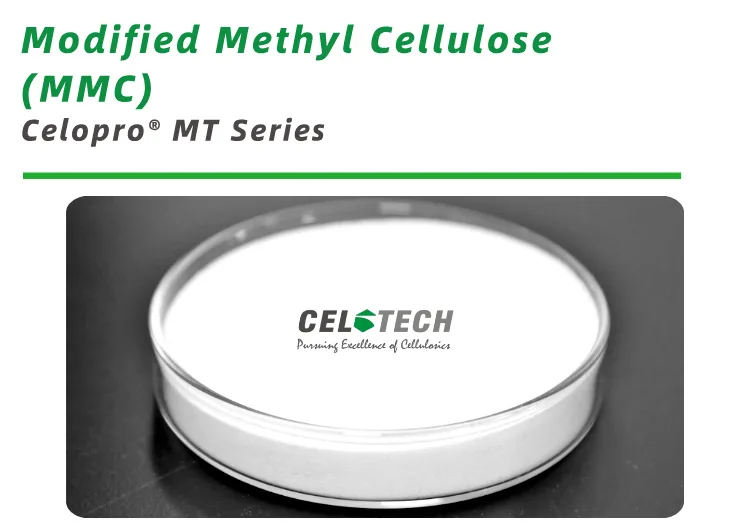
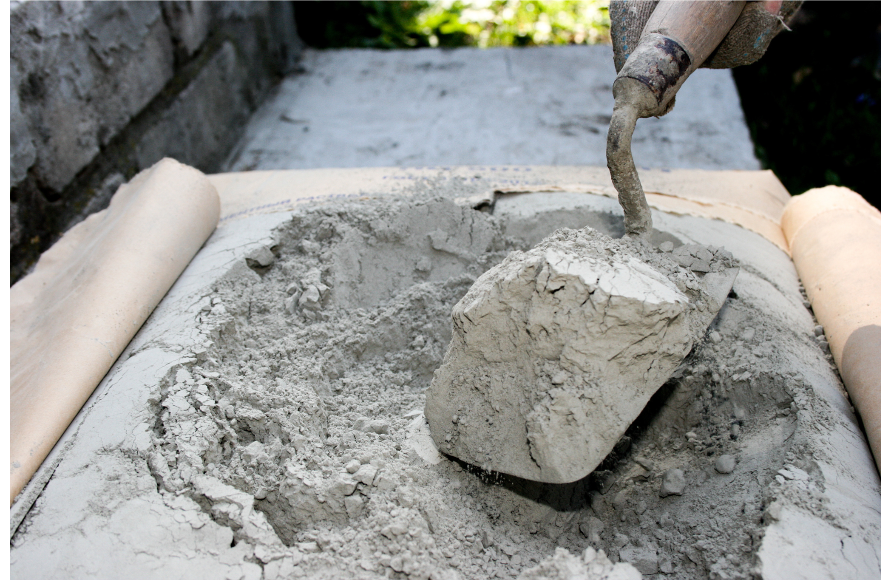
Dry mix mortar is a pre-mixed construction material widely used in tiling, plastering, and masonry. Key additives like HPMC (Hydroxypropyl Methylcellulose) and MHEC (Methyl Hydroxyethyl Cellulose) enhance water retention, workability, and adhesion, making them essential for modern construction. As an HPMC manufacturer, Celotech provides high-quality HPMC for construction, ensuring excellent performance in cement-based applications.

Another crucial component is RDP (Redispersible Polymer Powder), which improves flexibility and bonding strength. Choosing a reliable RDP powder supplier ensures superior durability in dry mix mortar formulations. Additionally, starch ether enhances thickening and anti-sag properties, while fiber reinforces mortar strength and crack resistance.

By selecting top-quality HPMC for construction and RDP powder from a trusted manufacturer, construction professionals can achieve better consistency, extended open time, and improved mechanical properties in dry mix mortar, optimizing both efficiency and durability.
Related Posts

Frequently Asked Questions

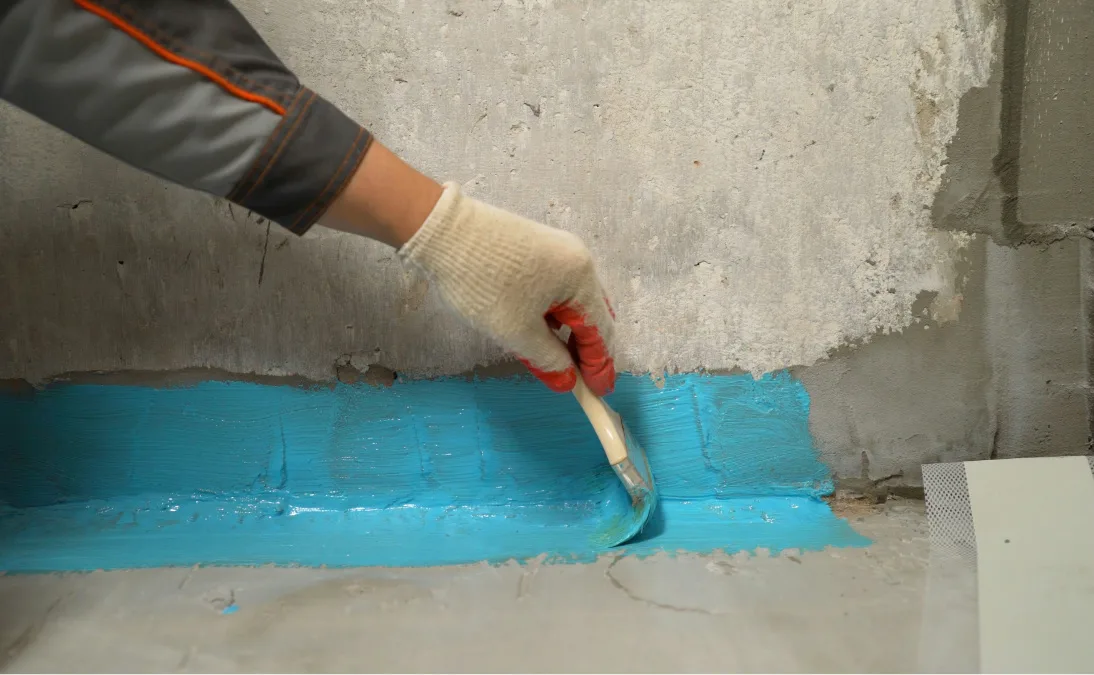
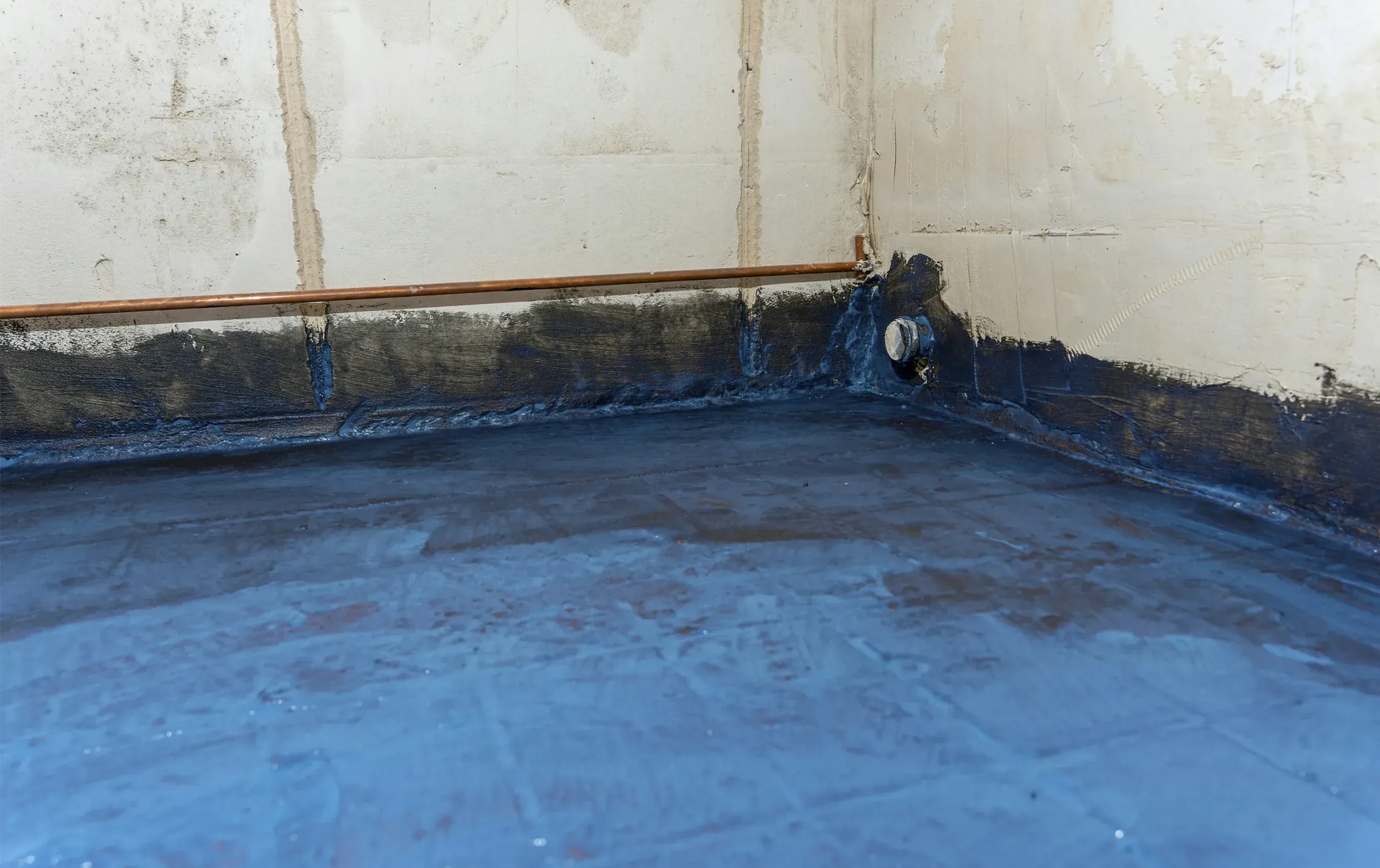
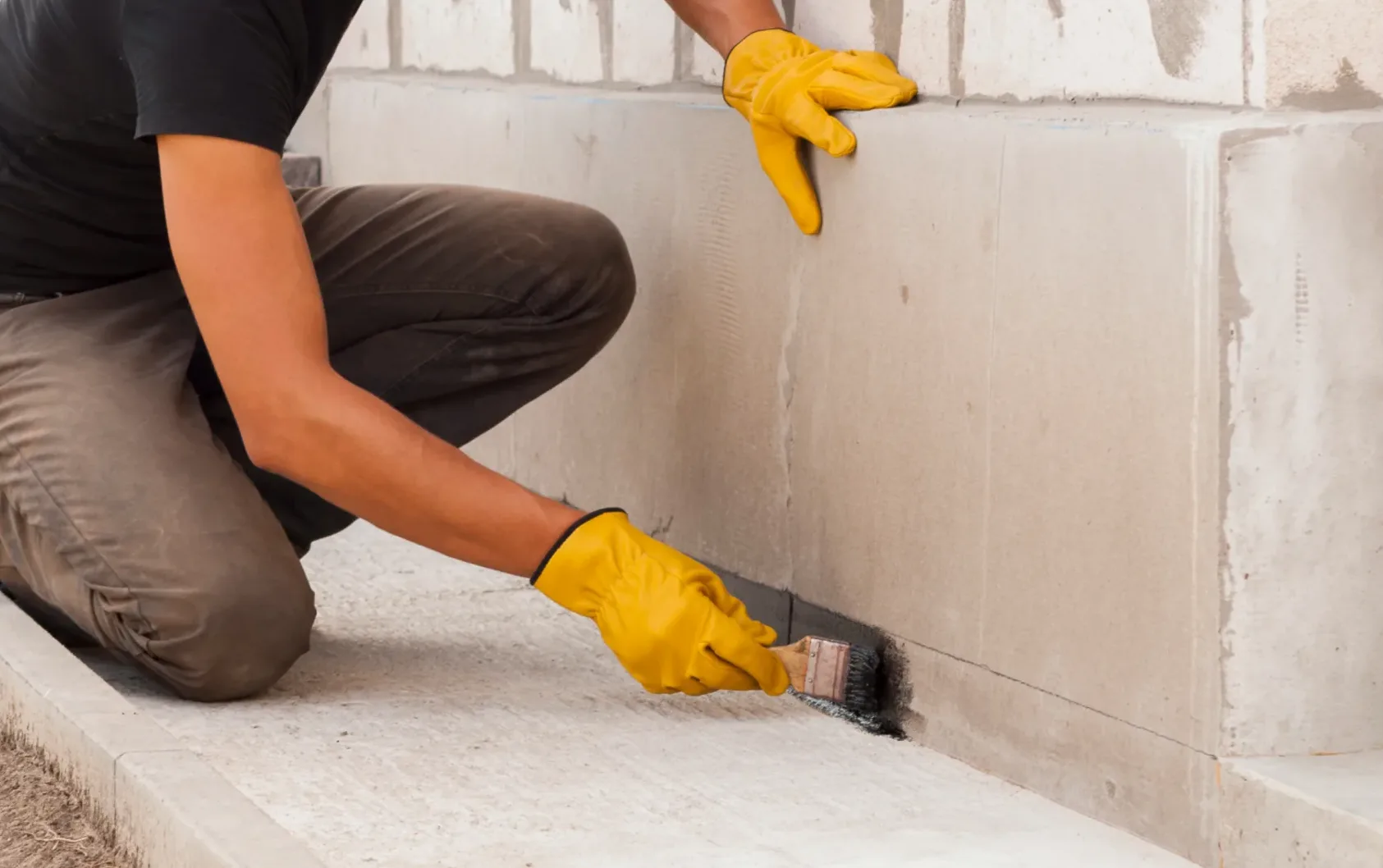
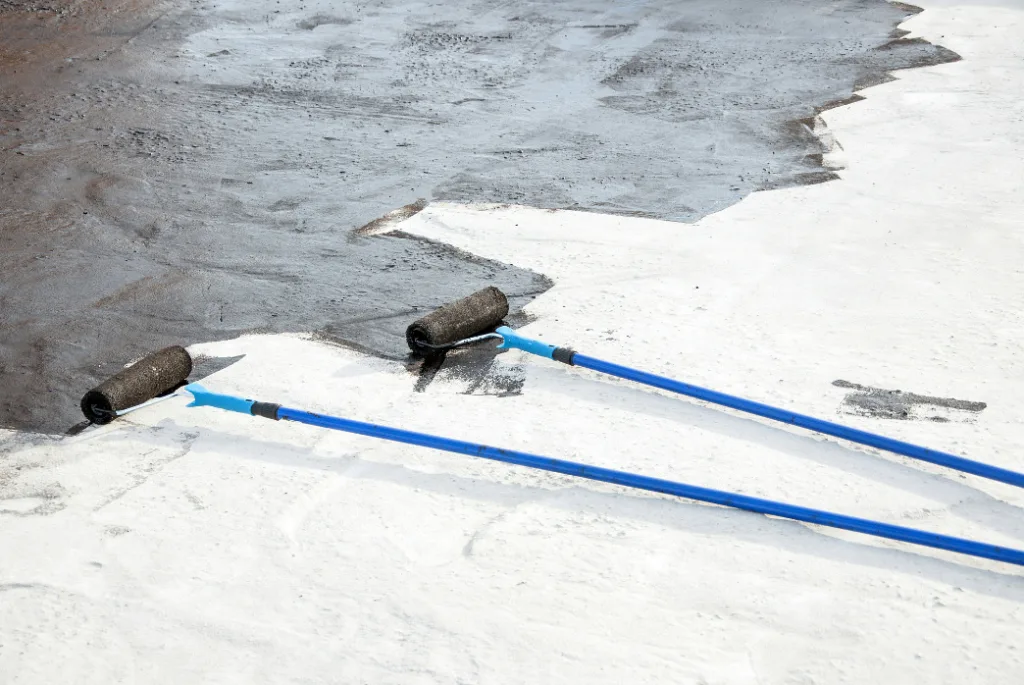
Mainly used for basement anti-seepage and leakage treatment, repair of building roofs and internal and external wall leaks, waterproofing and anti-seepage of various types of water pools and swimming pools, waterproofing and anti-seepage of civil air defense projects, tunnels, grain warehouses, kitchens, bathrooms, factories, and enclosed balconies.

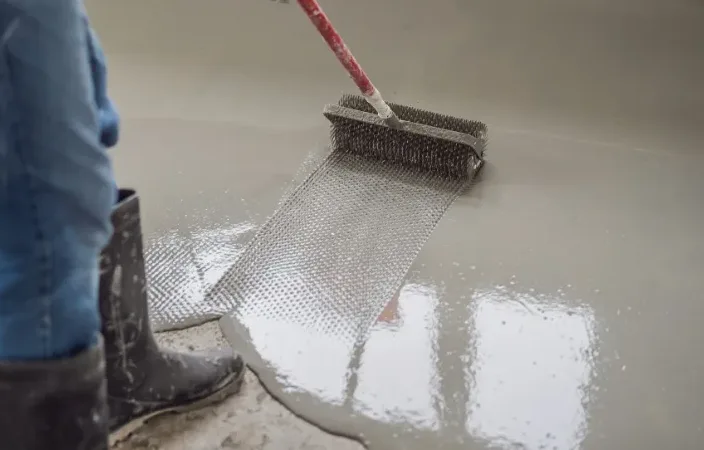
Flowable mortar means mortar that requires fluidity, such as cementitous self-leveling compounds, grouts, self compacting repair mortar and etc.
1.Prevent wall seepageWaterproof mortar is mainly used in the waterproof treatment of building walls. It can effectively prevent water seepage, enhance the water resistance of walls, prevent water seepage, and protect the structure and stability of buildings.2.Prevent ground water seepageIn basements, bathrooms, kitchens, and other places, the ground is often susceptible to water erosion, leading to water seepage. The use of waterproof mortar can effectively enhance the water resistance of the ground, prevent water seepage, and thus improve the service life of buildings.3.Prevent pollutionIn cities, building surfaces are often susceptible to factors such as air pollution and road dust, leading to surface pollution. The use of waterproof mortar can effectively prevent surface pollution of buildings and improve their aesthetic appeal.
Waterproof mortar contains Inorganic waterproof and leakage-prevent materials and Polymer modified cement compounds for waterproof; Waterproof mortar has good weather resistance, durability, impermeability, compactness, extremely high adhesion, and strong waterproof and anti-corrosion effects.
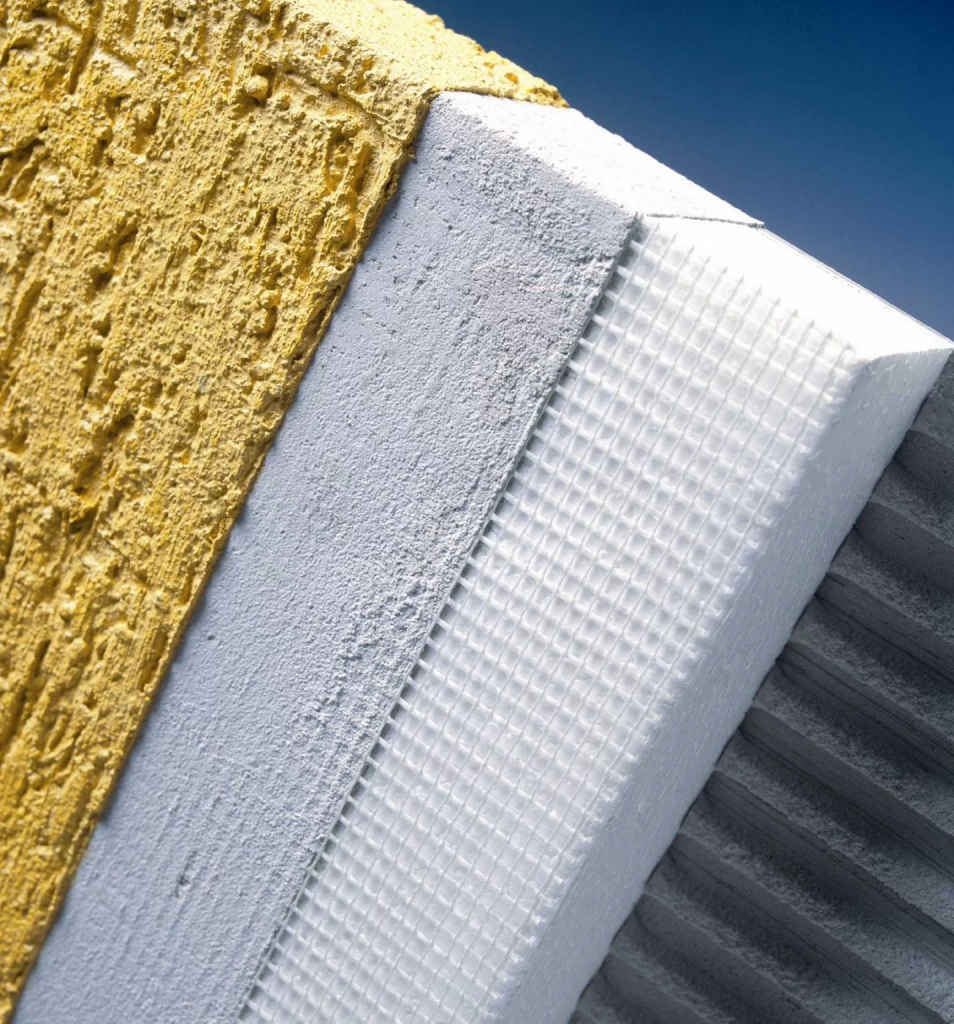
1. Excellent Thermal Insulation:Utilizes high-density polystyrene foam and fiberglass mesh to effectively reduce indoor and outdoor temperature differences.
2. Outstanding Waterproofing: Features a waterproof layer to ensure wall protection in harsh weather conditions like rain, snow, and frost.
3. Attractive Decorative Effect: Offers smooth, crack-resistant surfaces that support diverse architectural styles, ensuring durability and aesthetic appeal.
4. Industrial Production: Employs advanced assembly line production for stable quality, standardized specifications, and easy installation.
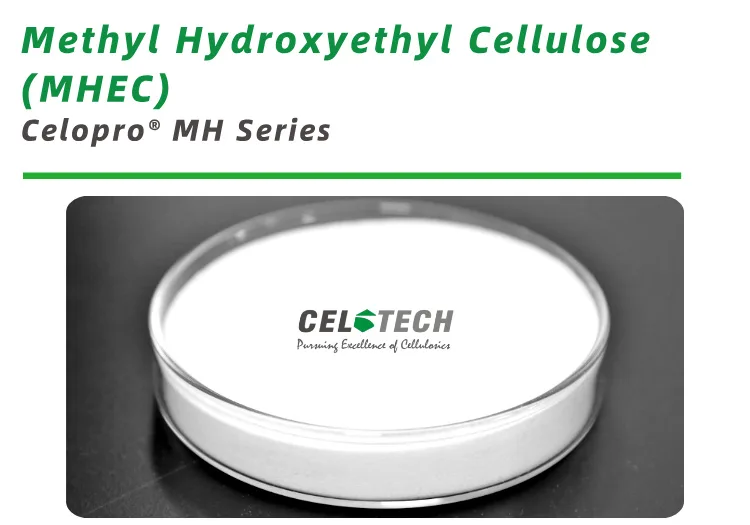
MHEC is widely used in the field of construction, mainly in dry-mix mortar, tile adhesive, waterproof coating,building materials,etc. It can increase the adhesion of mortar, making it denser and improving its crack resistance and impermeability. For paint & coating, MHEC can significantly improve the adhesion, stability , water resistance and durability of coatings.
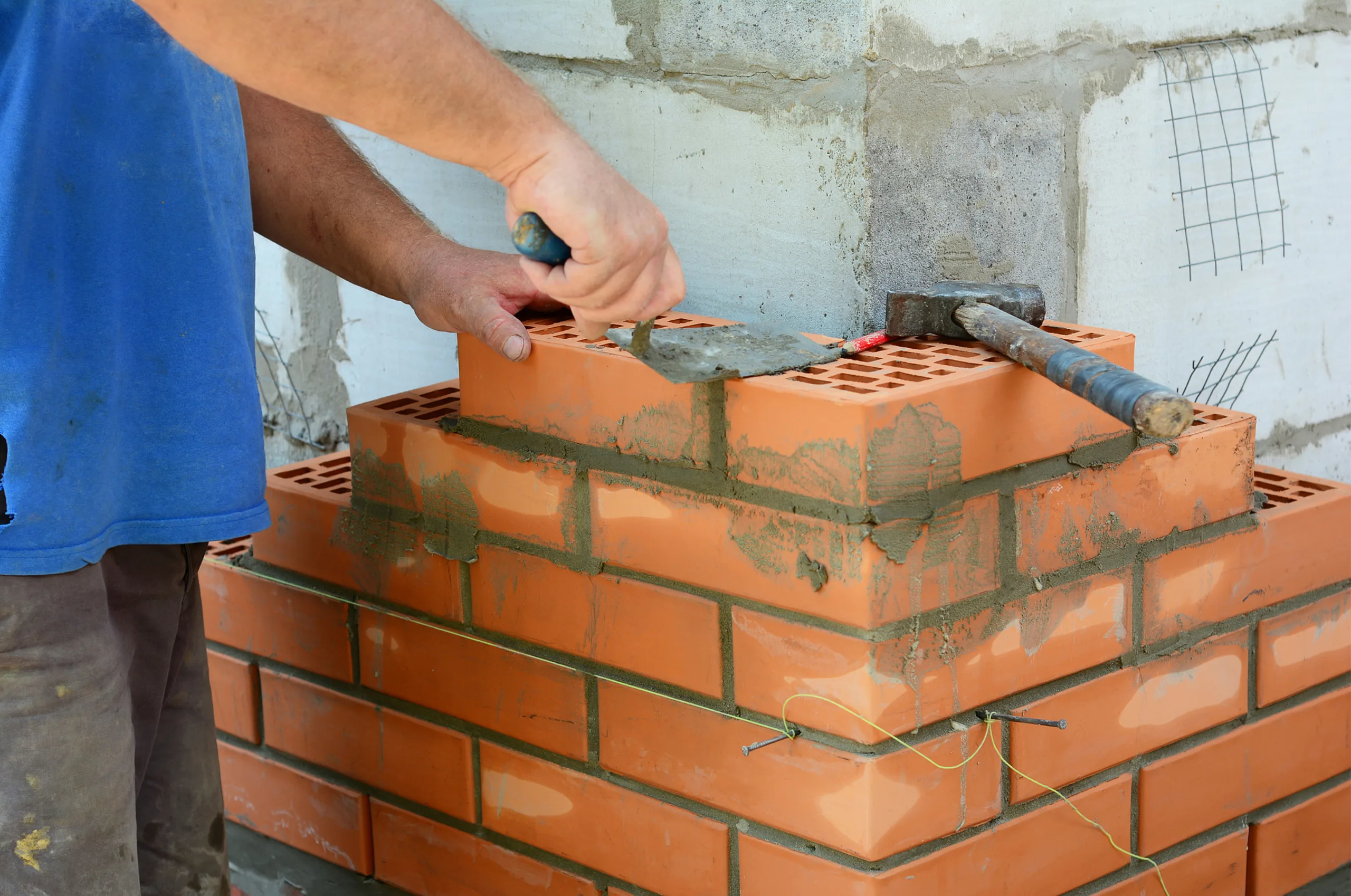
General purpose masonry mortar:mortar layer thickness more than 5mm.Thin-layer masonry mortar:mortar layer thickness less than 5mm.
The duration of the opening time is influenced by various factors, including the composition of the formulation, environmental humidity, temperature, substrate material, etc. Among them, the composition of the adhesive is the most important factor affecting the open time of the tile adhesive.
Ceramic tile adhesive can be divided into two standard grades, one is C1 grade and the other is C2 grade. C1 is a common cement-based ceramic tile adhesive with high strength, resistance to heat aging, and freeze-thaw cycles up to 0.5 MPa. C2 grade can improve cement-based ceramic tile adhesive with greater strength than C1 and belongs to an enhanced adhesive.

We value your privacy

We use cookies to enhance your browsing experience, serve personalised ads or content, and analyse our traffic. By clicking "Accept All", you consent to our use of cookies.

Get a Quote