
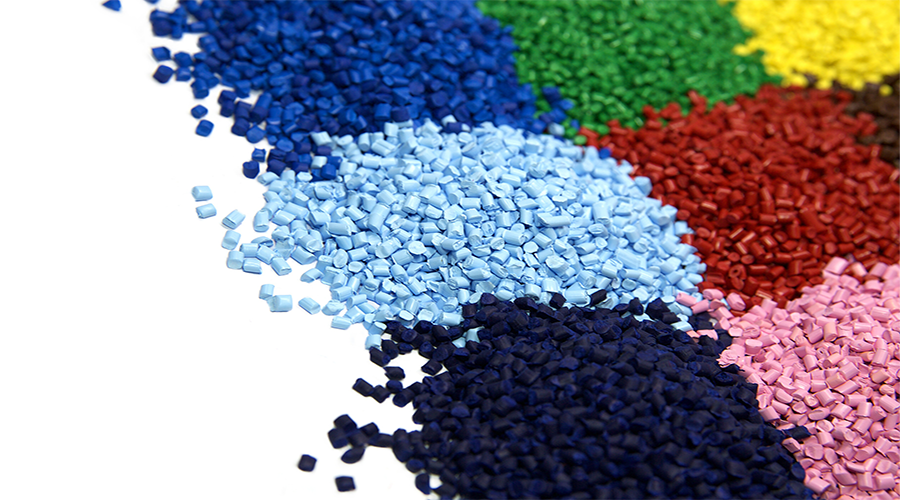
Polymerization

Polymerization

Role of Cellulose Ethers in Polymerization

Cellulose ethers (such as HPMC, HEC, and CMC) play a crucial role in polymerization as protective colloids, emulsifiers, dispersants, thickeners, and stabilizers. They are widely used in suspension polymerization, emulsion polymerization, and solution polymerization to optimize reaction conditions and improve polymer properties.

Suspension Polymerization

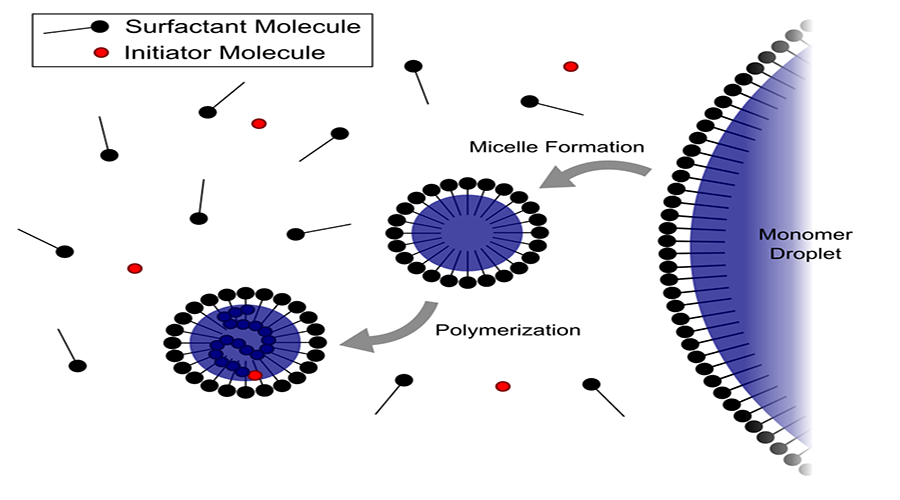
Cellulose ethers (e.g., HPMC, HEC) act as protective colloids, stabilizing suspended monomer droplets and preventing particle agglomeration, resulting in uniform polymer beads. They help control the polymerization rate, reduce by-products, and enhance polymer quality and rheological properties.

Emulsion Polymerization

As stabilizers, cellulose ethers improve the dispersion of emulsified monomers, preventing coagulation and enhancing the stability and storage performance of polymer emulsions. They contribute to better viscosity control, making the final polymer suitable for applications in coatings, adhesives, and other industries.

Solution Polymerization

Cellulose ethers function as thickeners, increasing the viscosity of the polymerization medium, regulating free radical diffusion, and optimizing the polymerization rate and product structure.

By forming a protective layer around growing polymer chains, they reduce chain termination reactions, leading to higher molecular weight and improved molecular weight distribution.

Due to their water solubility, chemical stability, and eco-friendliness, cellulose ethers are widely used in PVC, acrylic resins, polystyrene, synthetic rubber, and other polymerization systems to enhance process efficiency and product performance.

Optimizing PVC Polymerization with Celopro® Cellulose Ethers

Polyvinylchloride (PVC) is primarily produced through suspension polymerization, which accounts for about 80% of total PVC production, as well as emulsion polymerization and bulk polymerization.

Celopro® cellulose ethers, including HPMC for PVC polymerization and MHEC for vinyl chloride polymerization, serve as essential protective colloids in suspension and emulsion polymerization.

These high-performance additives, produced by leading HPMC manufacturers for the PVC industry and MHEC manufacturers, influence key polymer properties such as particle size control, porosity regulation, and dispersion stability. Their water solubility, strong solvent shell formation, and polymeric character make them highly effective for grain morphology control and plasticizer absorption.

As a suspending powder for PVC polymerization, Celopro® cellulose ether for PVC processing helps manufacturers achieve superior rheology control, thermal stability, and processing efficiency.

Additionally, HPMC chemical additives for PVC enhance the polymerization process, ensuring uniform particle distribution and improved material performance. These benefits make Celopro® an ideal choice for applications like rigid PVC pipes, PVC flooring, vinyl films, PVC foam boards, and PVC profiles.

Sourcing from a trusted HPMC supplier ensures high-quality PVC production, optimized performance, and enhanced versatility in industrial applications.

Related Posts

Frequently Asked Questions

Our Celotech Application Lab usually prepares free samples weighing less than 1.0kg, but the freight delivery fees from my lab to consignee should be on consignee’s account.

Always a pre-production sample for customer’s checking before mass production; Always final Inspection before shipment.

We value your privacy

We use cookies to enhance your browsing experience, serve personalised ads or content, and analyse our traffic. By clicking "Accept All", you consent to our use of cookies.

Get a Quote