Borehole Cementing

Borehole Cementing

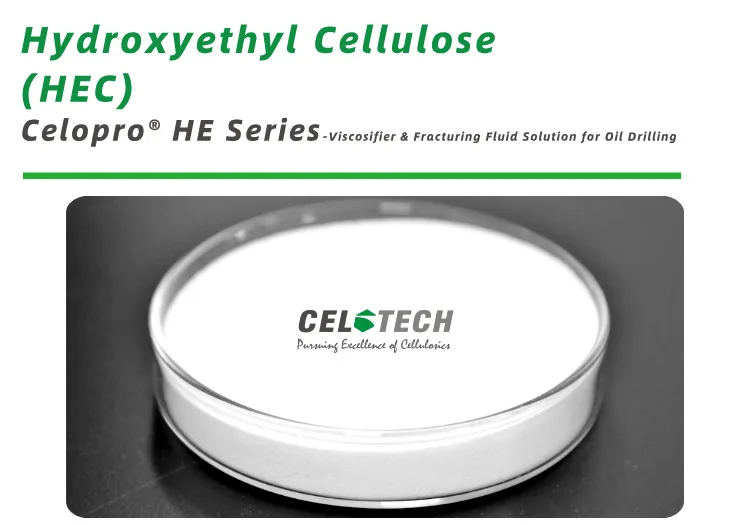
Hydroxyethyl cellulose ether (HEC) enhances drilling and cementing by improving mud thickness, stability, and carrying capacity, which prevents water invasion into the oil layer and stabilizes production. It also provides filtration control by forming protective filter cakes on well walls, reducing fluid infiltration, and preventing collapse. HEC lowers hydraulic friction, reducing pump pressure needs and increasing flow rates, while its temperature stability ensures performance in high-temperature wells. In cementing, HEC controls water loss and protects cement integrity, increasing overall efficiency and safety.


Recommended Solutions

Hydroxy Ethyl Cellulose (HEC)

Thickening and Stabilization: HEC enhances mud fluidity and stability, improving its carrying capacity and preventing excessive water from penetrating the oil layer, thereby stabilizing production.

Filtration Control: By forming filter cakes on the well wall, HEC reduces fluid infiltration, protects formation integrity, and prevents wall collapse, enhancing drilling and cementing safety and efficiency.

Recommend grade: Celopro®HE100,000S


Hydraulic Friction Reduction: HEC minimizes hydraulic friction, lowers pump pressure requirements, and improves flow rates, reducing sensitivity to well leakage.

Temperature Stability: With high-temperature resistance, HEC maintains drilling fluid and cement slurry stability in deep, high-temperature wells.

Cementing Process Support: HEC reduces hydraulic friction, lowers pump pressure, and provides effective water loss control, protecting cement’s mechanical properties by preventing water influx into rock formations.

Recommend grade: Celopro®HE100,000S

Product Features and Advantages

Thickening and rheological control

HEC can effectively increase the viscosity of drilling fluid and cement slurry, improve its rheological properties, help carry and suspend drill cuttings and cement particles in the cementing process, ensure that the cementing material can evenly fill the well wall and form a stable cementing structure.


Protective colloid

Hydroxyethyl cellulose ether is used as a non-fermentable protective colloid for oil well treatment and plays a role in high pressure and temperature determination work.

Recommended Products

Our Service

“Celotech Lab: Built on Results”

At Celotech Lab, our commitment to quality assurance is reflected in our reliable testing and expertise across a range of building additives, including HPMC and MHEC. With advanced equipment and skilled technical engineers, we provide real-world test data and customized application solutions to meet the diverse needs of the construction industry.

Each test demonstrates our commitment to providing additives that improve performance and consistency, giving our customers a reliable foundation for application success.

Celotech: Global Cellulose Care

Celotech’s sophisticated packaging for HPMC stands out with its grandeur and reliability.

We collaborate with trusted shipping and freight forwarding companies to deliver our products worldwide with professionalism and attentive service, all at a reasonable cost.

“Try Our HPMC & MHEC Samples, No Strings Attached!”

Get your hands on our HPMC and MHEC samples for free and see the quality for yourself.

They’re just like the big stuff, promise!

Partnering with Celotech means no worries, just top-notch consistency and stability.

Give us a shot—you won’t regret it!

Related Posts

With a certain technology, cellulose ether is mass-produced with practical uses, for example, in powder form, to be used as a water retention agent, thickener, adhesive, and stabilizer. This material can be modified into several derivative products such as carboxymethylcellulose (CMC), methylcellulose (MC), hydroxypropyl methylcellulose (HPMC), hydroxyethylcellulose (HEC), hydroxypropyl cellulose (HPC), and ethylcellulose (EC).
Sodium carboxymethyl cellulose (CMC) is a cellulose derivative, an ionic cellulose gum, and owing to its unique thickening, suspending, adhesion, and water retention properties, is widely used in various industrial fields.
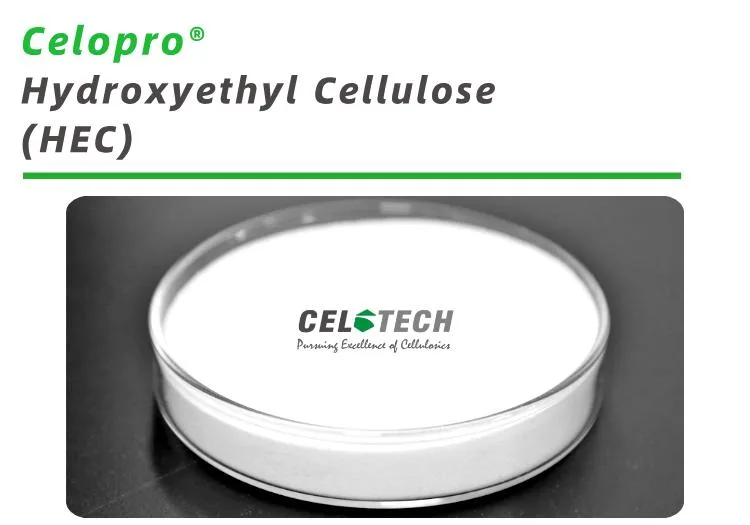
HEC is the abbreviation of hydroxyethyl cellulose. It is a white or light yellow, odorless, non-toxic fibrous or powdered solid, prepared by etherification of alkaline cellulose and ethylene oxide (or chloroethanol), and is non-ionic soluble cellulose ethers.

Frequently Asked Questions

Celopro® HEC is widely used in fields such as paints, petroleum, construction, the daily chemical industry, polymer, and textile industry.


Celopro® HEC has good thermal stability (below 140℃). HEC solution can form a transparent film and has non-ionic characteristics such as no interaction with ions and good compatibility.

Next Application

We value your privacy

We use cookies to enhance your browsing experience, serve personalised ads or content, and analyse our traffic. By clicking "Accept All", you consent to our use of cookies.

Get a Quote