Ceramic Tile Adhesive (CTA)

Ceramic Tile Adhesive (CTA)

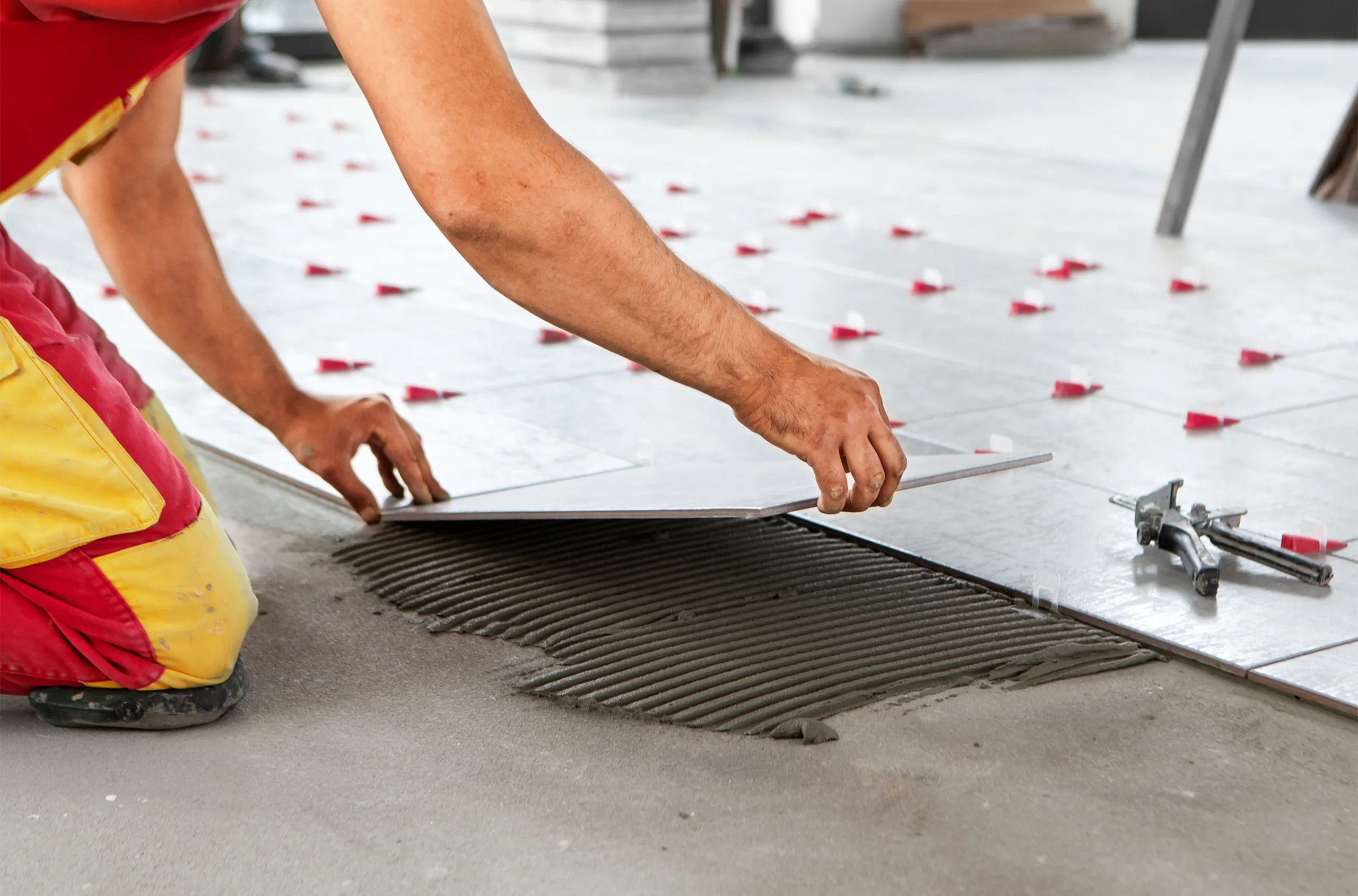
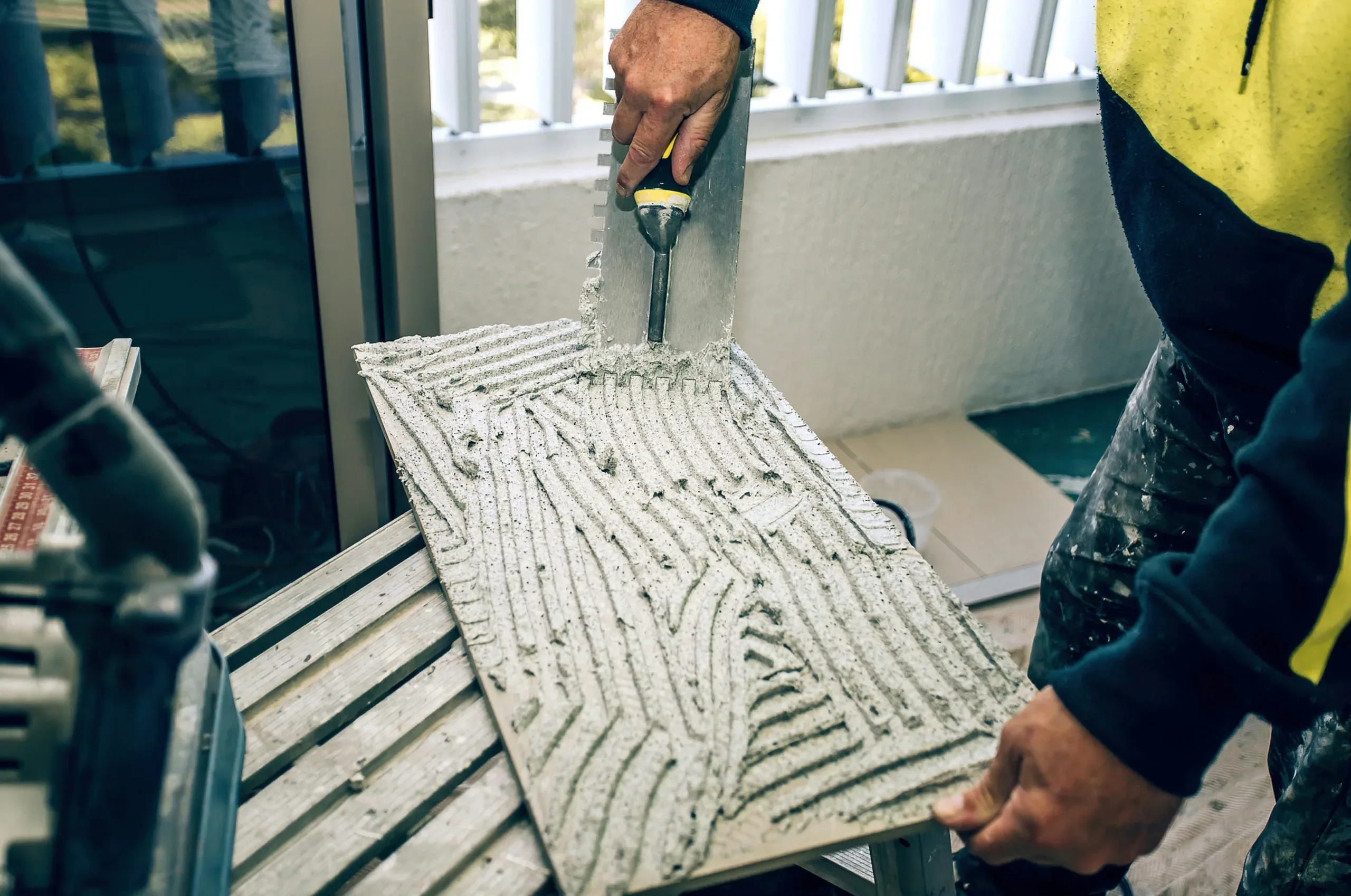
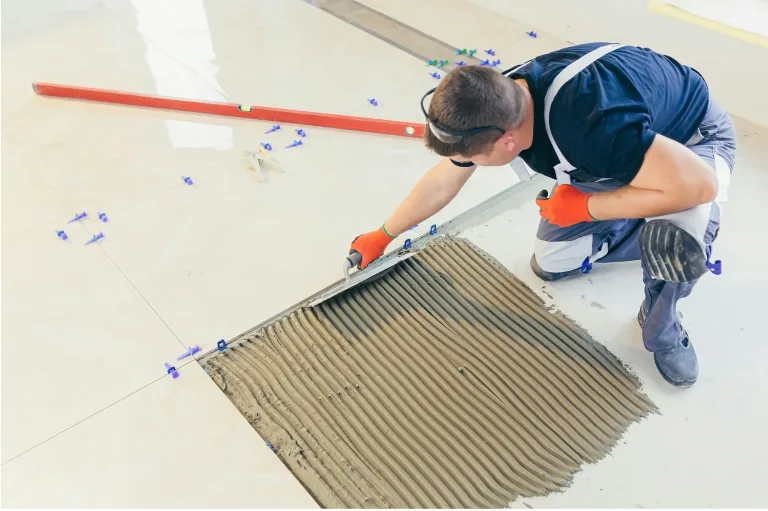
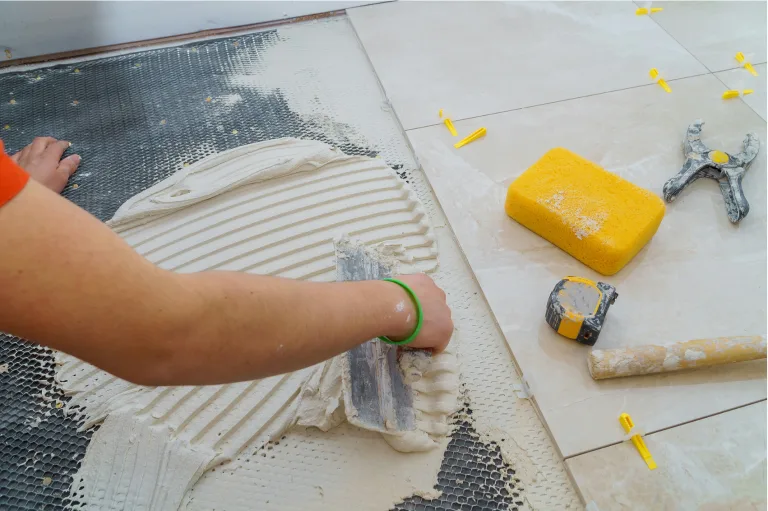
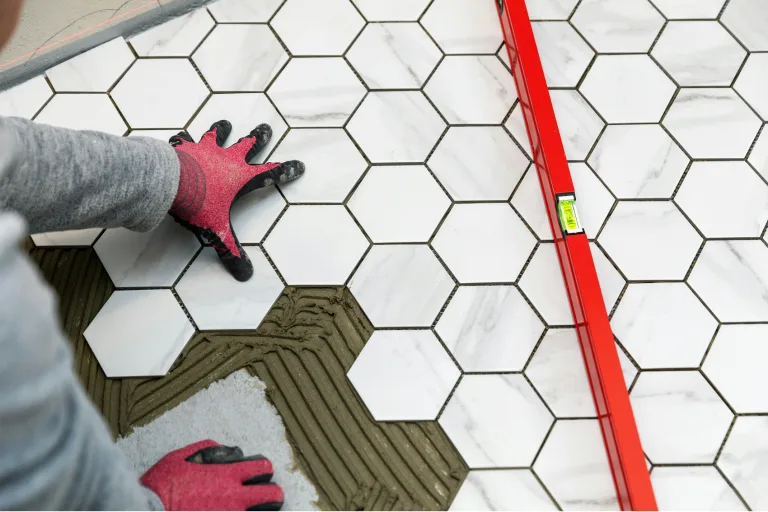
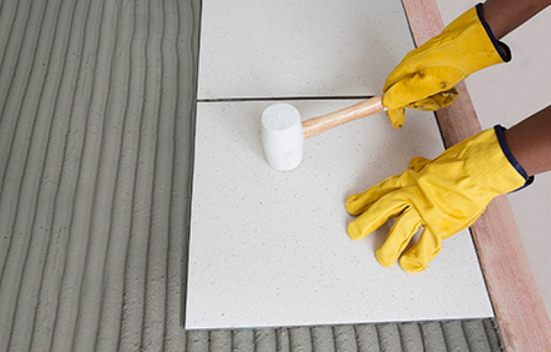
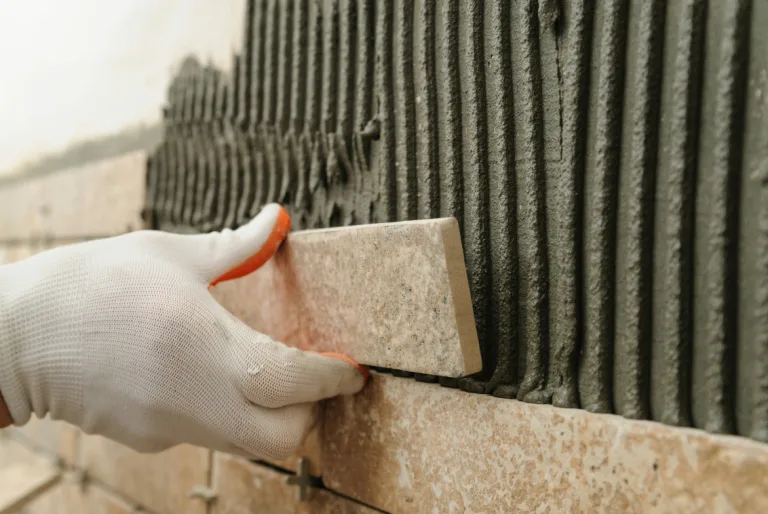
Ceramic tile adhesive (CTA) is a vital material in modern construction, ensuring strong bonding between tiles and substrates while offering smooth application and long-term durability. Unlike traditional cement-based methods, modern CTA formulations provide superior adhesion, flexibility, and water resistance, making them ideal for a wide range of applications—from home renovations to large-scale commercial projects.

To meet performance requirements across various substrates and installation conditions, formulators rely on high-quality additives. Celotech offers a complete portfolio of functional raw materials—including hydroxypropyl methylcellulose(HPMC), redispersible polymer powders (RDP), starch ether, and calcium formate—to optimize ceramic tile adhesive performance.
Recommended Solutions

1. Celopro® HPMC for CTA – Improving Water Retention and Workability

Celopro® Hydroxypropyl Methyl Cellulose (HPMC) enhances several critical properties of ceramic tile adhesive. Grades such as Celopro® MT2030, MT4016, and MT6510 offer excellent water retention, improved open time, and smooth workability, which are essential for easy application and effective tile placement. These cellulose ethers also contribute to adhesion strength and slip resistance, especially on vertical surfaces.

Key Benefits:

  • Excellent water retention for longer open time

  • Improved workability and smooth application

  • Enhanced bonding strength and anti-slip performance

2. Vinabond® RDP for CTA – Enhancing Flexibility & Tile Bonding

Vinabond® redispersible polymer powders are essential for strengthening the adhesive bond between ceramic tiles and various substrates. Recommended grades Vinabond® N511 and N515 significantly improve flexibility, impact resistance, and tensile adhesion, helping prevent cracking and debonding even under thermal or mechanical stress.

Key Benefits:

  • Strong bonding to tiles and substrates

  • Improved flexibility and crack resistance

  • Better cohesion and durability in cured adhesive

Product Features and Advantages

3. Stargel® Starch Ether for CTA – Optimizing Rheology & Anti-Slip Properties

Stargel® starch ether, particularly the Stargel® ST300 grade, is designed to modify the rheological behavior of ceramic tile adhesives. It improves thixotropy, enhances anti-slip performance, and supports better control during application, especially for wall tiles and large format tiles.

Key Benefits:

  • Enhanced anti-sag properties for vertical applications

  • Improved consistency and trowelability

  • Smooth spreading and better surface hold

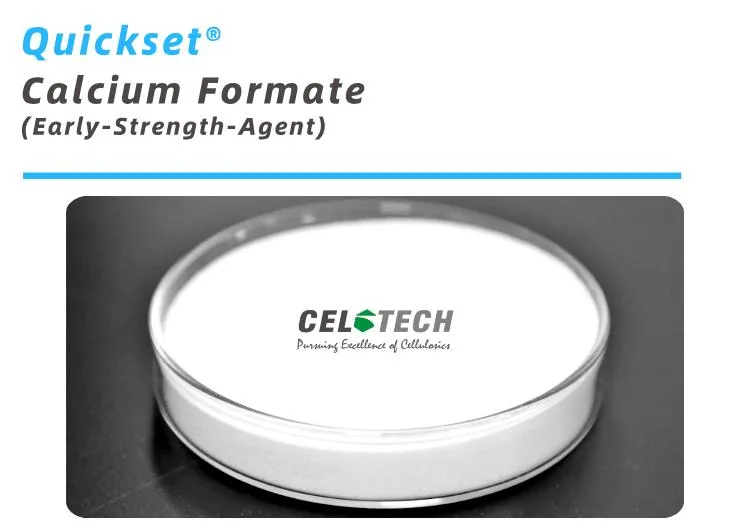
4. Quickset® Calcium Formate for CTA – Accelerating Setting Time

Quickset® S98 calcium formate is used in CTA formulations to accelerate the hydration process of cement, especially in cold weather or fast-track installation environments. It ensures quicker setting and early strength development, reducing waiting times for grouting or load-bearing.

Key Benefits:

  • Faster cement hydration and setting

  • Improved early strength development

  • Enhanced performance in low-temperature conditions

Recommended Products

ProductGradeRecommend applicationCharacter
 

Cellulose ether

Celopro® MT2030C1TE/C2TE/C2TES1Low viscosity
Celopro® MT4016C1TE/C2TE/C2TES1Medium viscosity
Celopro® MT6510C1TE/C2TE/C2TES1High viscosity
Celopro® MT6108C1TE/C2TEMedium viscosity
Celopro® ME50MC1TE/C2TEMedium viscosity
Celopro® ME70MC1TE/C2TEHigh viscosity
 

RDP

Vinabond® N511C1TE/C2TERigid(Vac/E)
Vinabond® N515C1TE/C2TE/C2TES1Neutral (Vac/E)
Vinabond® N516C2TES1Flexible(Vac/E)
Starch etherStargel® ST600C1TE/C2TE/C2TES1HPS
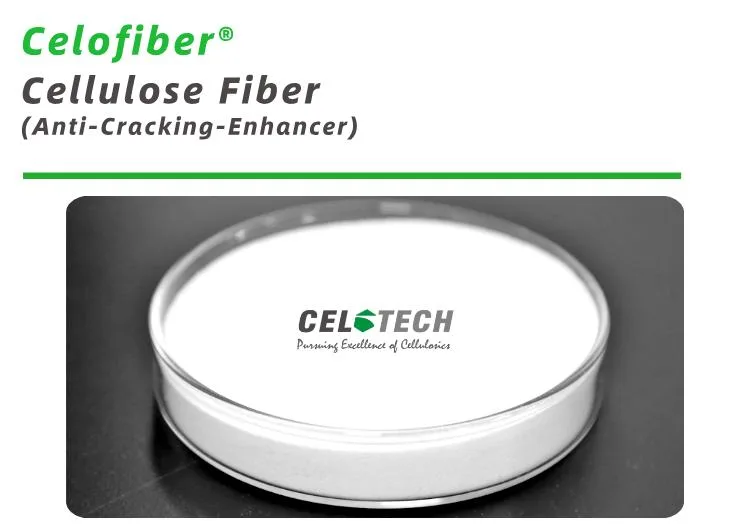
Cellulose fiberCelofiber® CF300WC1TE/C2TE/C2TES1300um,white colour
Early strength agentQuickset® S98C1TE/C2TE/C2TES1Calcium formate


ProductCharacterGradeC1TEC2S1
 

Cellulose ether

Low viscosityCelopro®MT2030●●●●●●●●●●●●●
Medium viscosityCelopro®MT4016●●●●●●●●●●●●●
High viscosityCelopro®MT6510●●●●●●●●●
Medium viscosityCelopro®MT6108●●●●●●●
Medium viscosityCelopro®ME50M●●●●●●●●●●
High viscosityCelopro®ME70M●●●●●●●
 

RDP

Rigid(Vac/E)Vinabond® N511●●●●●●
Neutral (Vac/E)Vinabond® N515●●●●●●●●●●
Flexible(Vac/E)Vinabond® N516●●●●●●●●●
Starch etherHPSStargel® ST600●●●●●
Cellulose fiber300um,white colourCelofiber® CF300W●●●●
Early strength agentCalcium formateQuickset® S98●●●●●


Our Service

“Global Quality Assurance at Celotech”

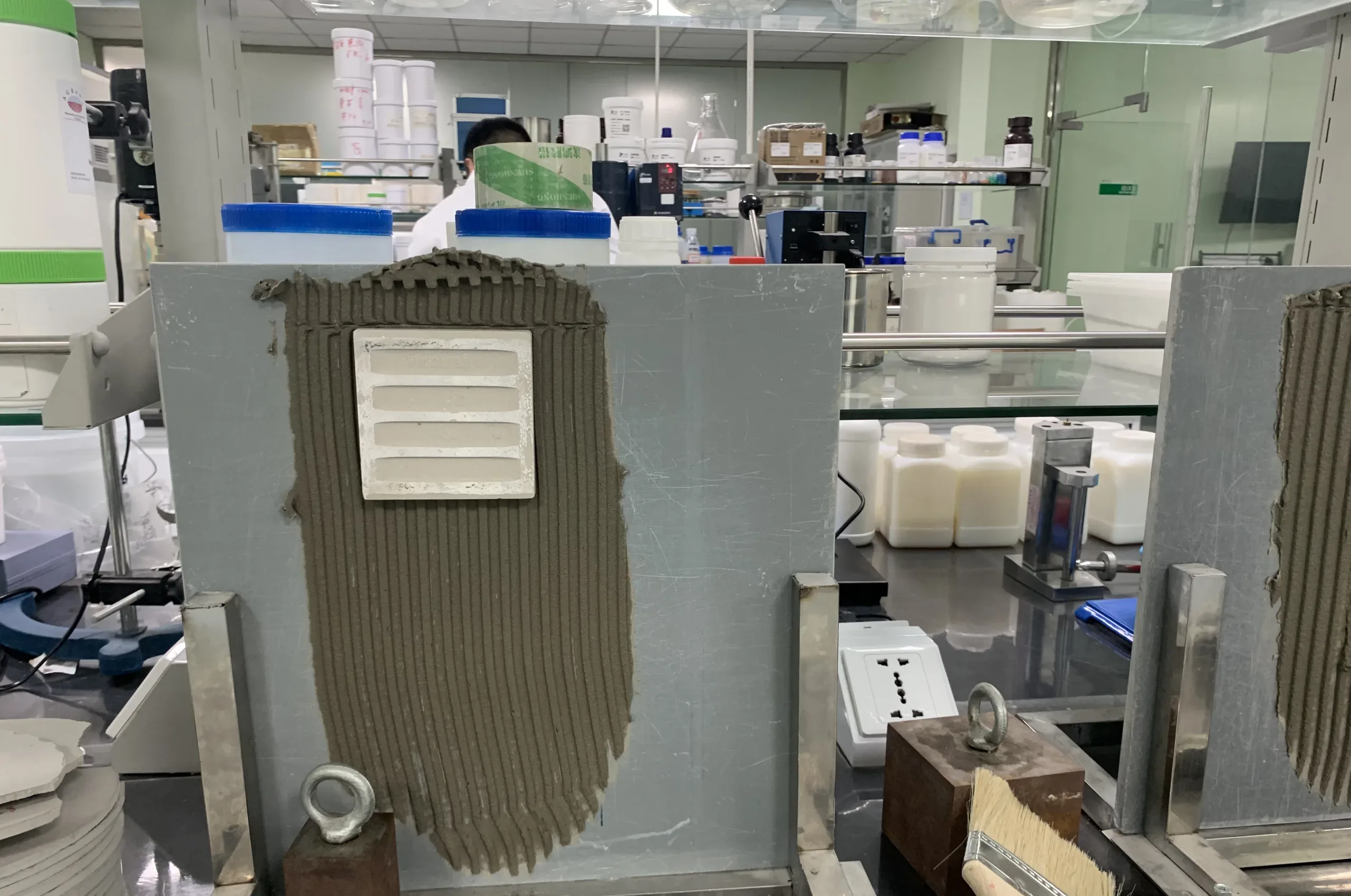
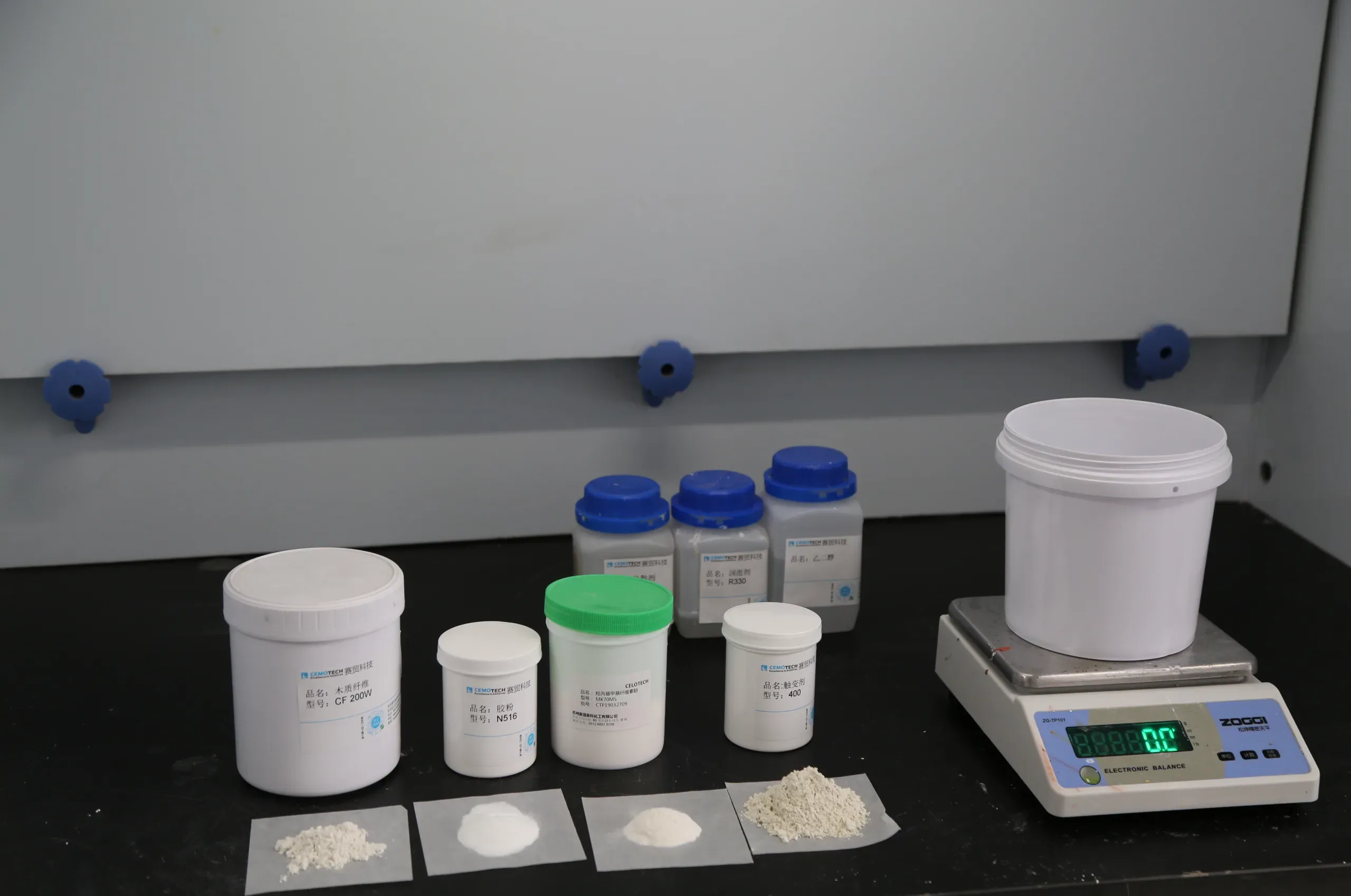
Every employee at Celotech is committed to the pursuit of excellence in quality performance. Our company has set up application laboratories in many countries to ensure the stability and quality control of each batch of goods. We use professional instruments such as Halogen Moisture Meters, High-temperature Muffle Furnaces, Spectrophotometers and Brookfield viscometers to accurately test the moisture, ash, transmittance and viscosity of HPMC, HEMC, HEC and CMC products, which greatly improves production efficiency and greatly reduces the defective and unqualified rates.

“Efficient Production and Global Delivery”

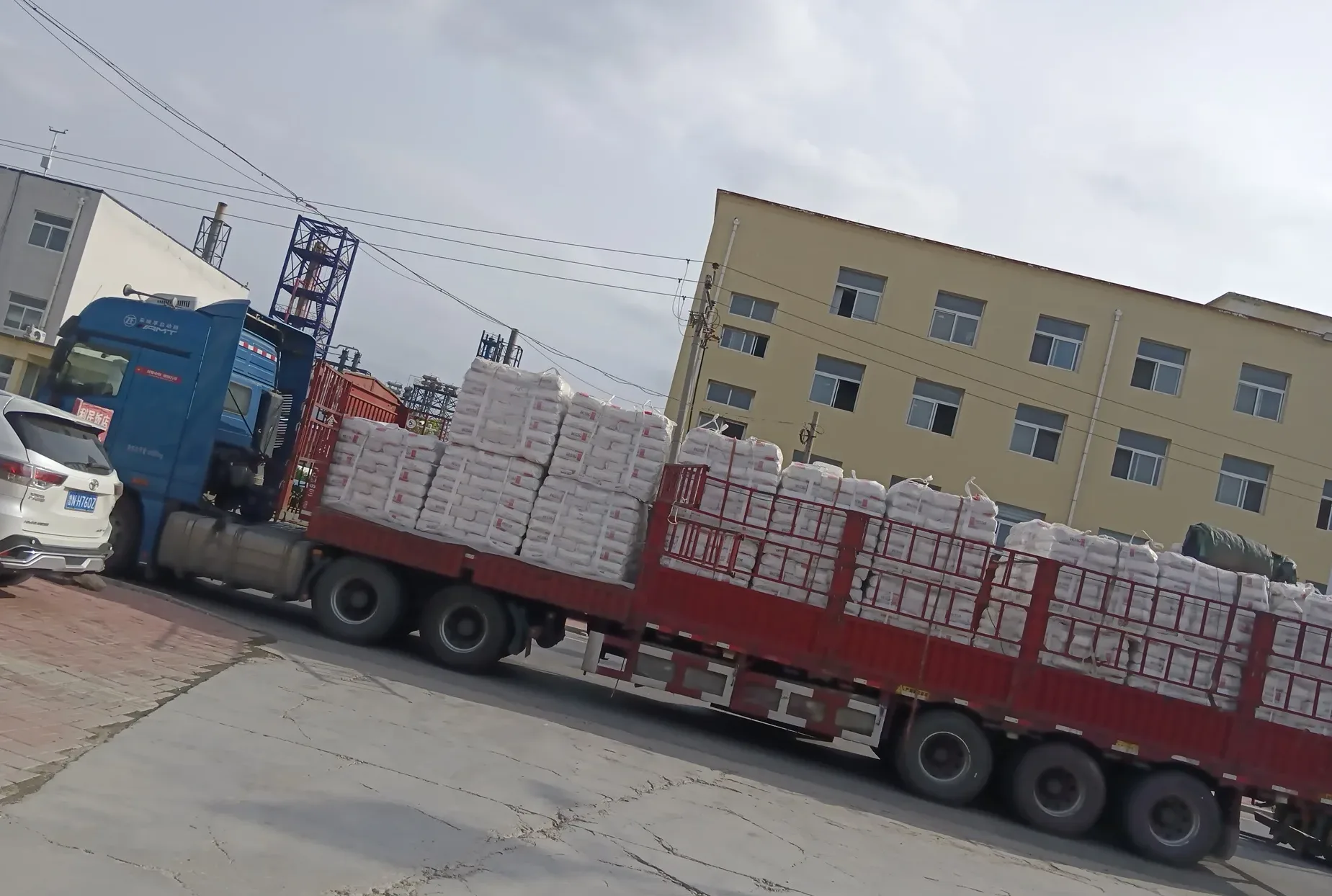
With reasonable production volume and an experienced logistics team, Celotech is able to produce and deliver products to customers in a relatively short period of time with guaranteed quality and quantity. Whether it is domestic transportation, sea transportation, air transportation, etc., the Celotech team has always maintained friendly cooperation with many freight forwarding companies.

“High-Quality Chemicals with Free Samples”

Celotech is committed to providing high-quality construction chemicals to customers around the world. Our products include cellulose ethers, redispersible latex powders, etc., which are widely used in architectural coatings, dry-mix mortars and other fields. As an international company committed to innovation and quality, we understand the importance of sample testing when selecting new products. To help customers better evaluate the performance of our products, Celotech provides free samples for you to test in actual applications.

Related Posts

For modern construction, especially in large-format tile and external applications, using the best additives for tile adhesive formulation is essential.
Tile adhesives have significantly evolved with the use of modern additives such as Redispersible Polymer Powder (RDP) and Cellulose Ether (primarily Hydroxypropyl Methylcellulose, HPMC).
This article explores the main benefits of using construction grade HPMC in dry-mix mortars and tile adhesives.
The tile adhesive mortar is the special adhesive mortar used for pasting ceramic wall and floor tiles, stone materials, etc., onto the substrate. According to the different composition, it can be divided into three broad categories: cement-based tile adhesive mortar, polymer emulsion tile adhesive mortar, and reactive resin tile adhesive mortar. The most commonly used is the cement-based tile adhesive mortar.
Since it has good workability, slide resistance, and long enough opening time, the thin-layer construction is made possible, greatly improving the efficiency of pasting tiles.
Redispersible polymer powder (RDP) plays a crucial role in enhancing both the fresh and hardened properties of cementitious mortar.
Cement based tile adhesive is the largest application of current special dry mortar. This is a mixture of organic or inorganic admixtures such as cement as the main cementitious material. And supplemented with grading aggregates, water retaining agents, early strength agents, and latex powders.

Frequently Asked Questions

Open time refers to the operating time of cement mortar. The work-ability of cement mortar is maintained well during the opening time, and after the open time is exceeded, not only the construction performance will deteriorate, but the strength will also be reduced.

Ceramic tile adhesive can be divided into two standard grades, one is C1 grade and the other is C2 grade. C1 is a common cement-based ceramic tile adhesive with high strength, resistance to heat aging, and freeze-thaw cycles up to 0.5 MPa. C2 grade can improve cement-based ceramic tile adhesive with greater strength than C1 and belongs to an enhanced adhesive.
The open time of tile adhesive refers to the time when the adhesive solution is applied to the base surface, ensuring deformation performance and bonding strength. That is to say, the open time refers to the length of time after applying the adhesive and waiting for the adhesive to solidify before accepting error adjustments. The length of the open time will directly affect the efficiency and quality of construction.

Next Application

We value your privacy

We use cookies to enhance your browsing experience, serve personalised ads or content, and analyse our traffic. By clicking "Accept All", you consent to our use of cookies.

Get a Quote