Exterior Paints
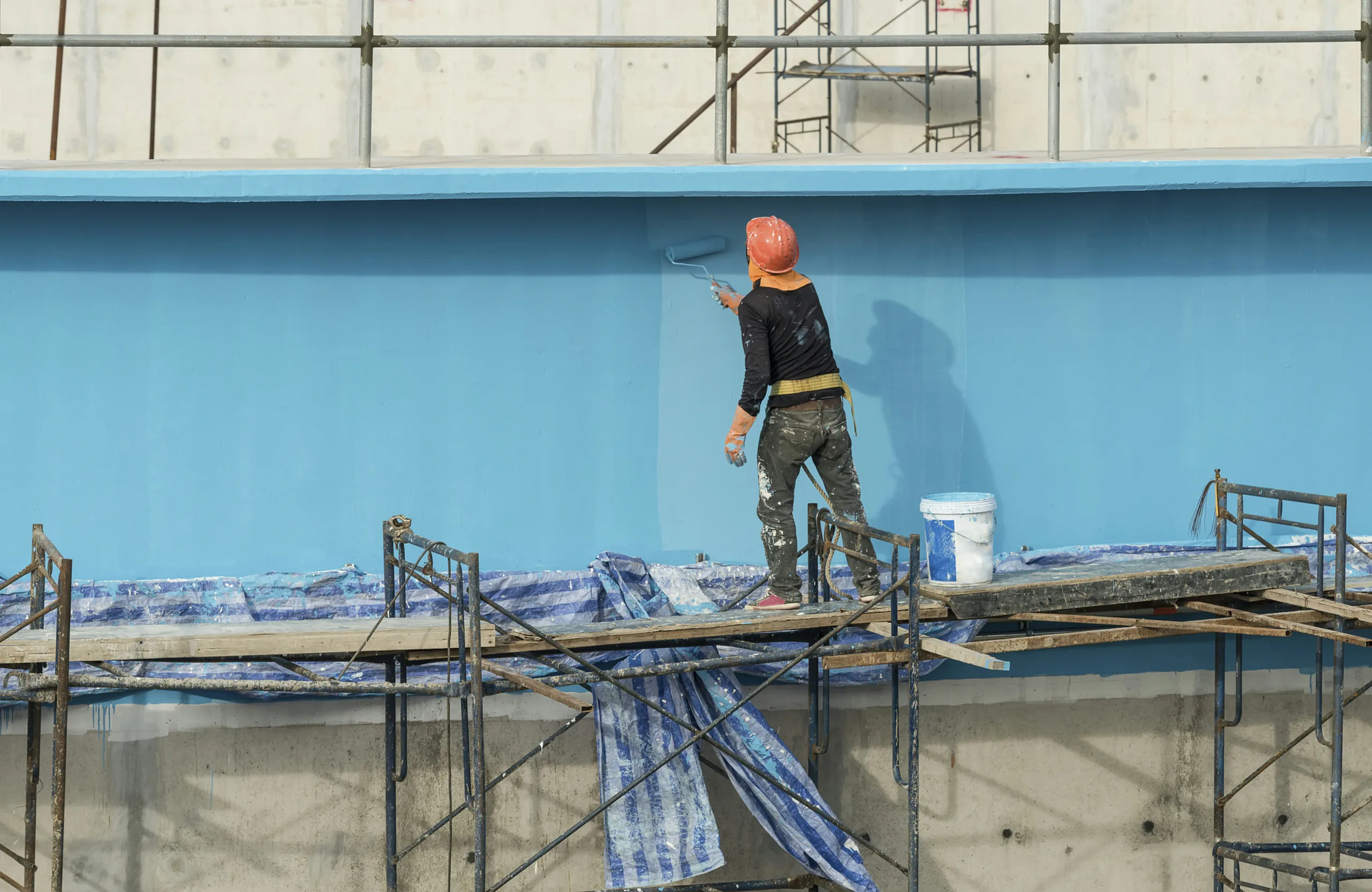
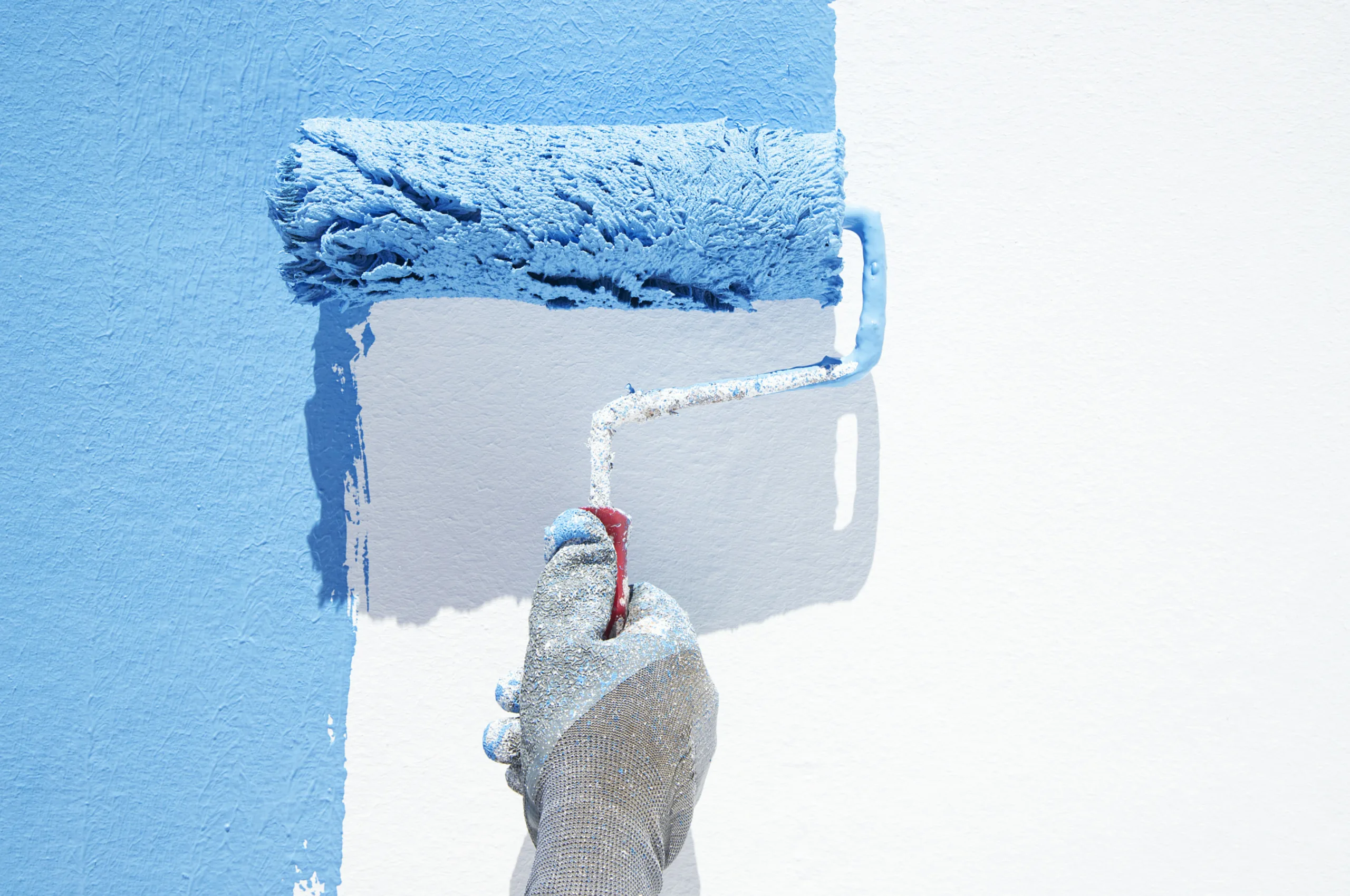
Exterior paints are coatings designed to protect and beautify the outside surfaces of buildings, structures, and other outdoor objects. Latex (Water – Based) Exterior Paints are the most widely used type of exterior paint today.

Exterior paints are coatings designed to protect and beautify the outside surfaces of buildings, structures, and other outdoor objects. Latex (Water – Based) Exterior Paints are the most widely used type of exterior paint today.

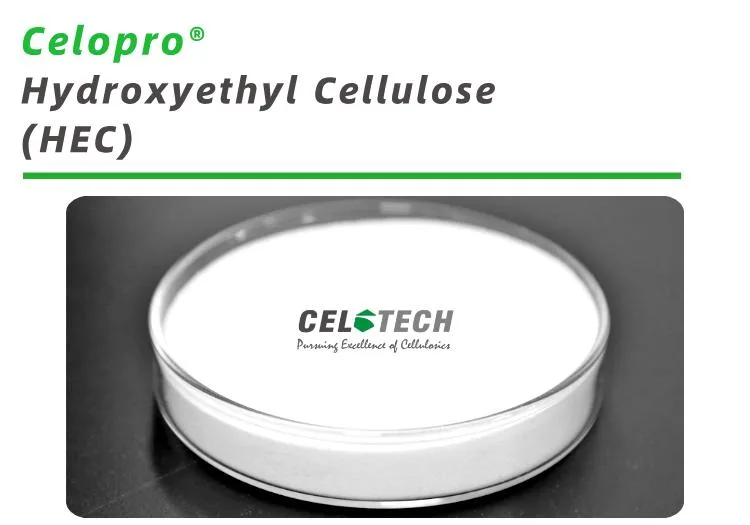
1. HEC
Celopro® HEC provides good water retention, which prevent the paint from drying too quickly. It also has excellent thickening ability and stability.
Recommend grade: Celopro® HHB6000S, Celopro® HHB30S, Celopro® HHB70S
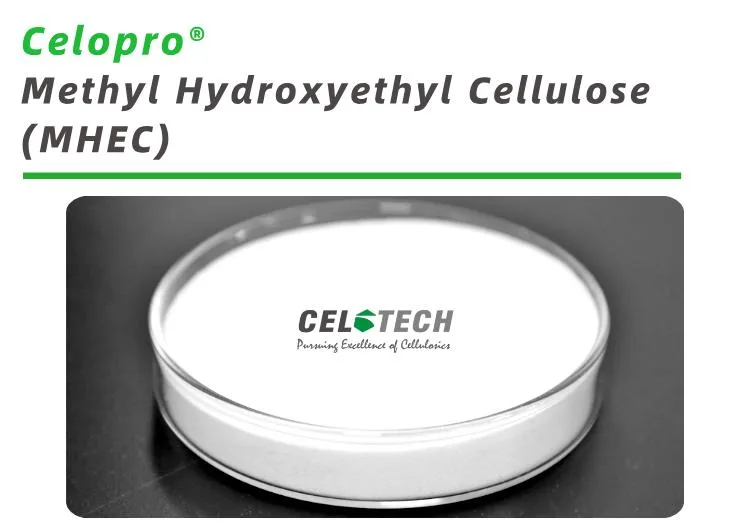
2. MHEC
Celopro® MHEC offers good thickening and rheology control properties, which can help to prevent sagging and improve the workability of the paints.
Recommend grade: Celopro® MH55MS, Celopro® MH70MS
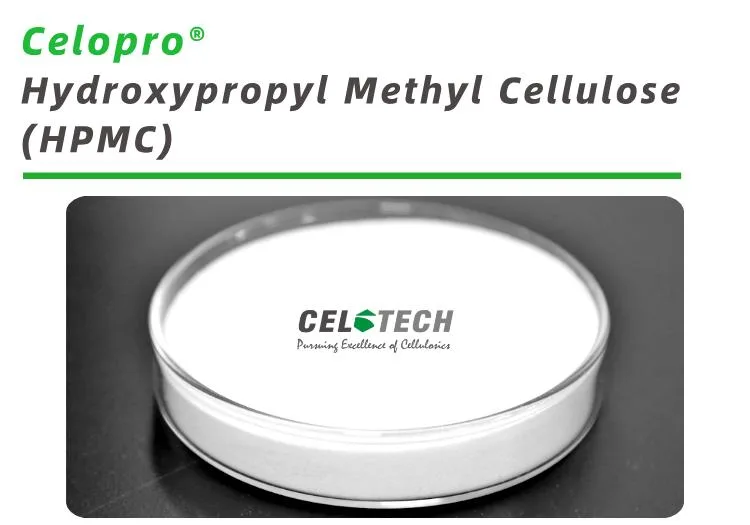
3. HPMC
Celopro® HPMC acts as a thickener, binder, and stabilizer in exterior coatings. It’s cost effective in exterior paints, especially in texture paints.
Recommend grade: Celopro® MK70MSL
4. Cellulose Fiber
Celofiber® Cellulose fibers can improve the cracking resistance, Adhesion and Workability on exterior paints.
Recommend grade: Celofiber® CF200W, Celofiber® CF300W
5. Guar Ether
Guarmer® Guar ether is a modified form of guar gum and used as a thickening and stabilizing agent in the exterior paints, with good water retention and film – forming Properties.
Recommend grade: Guarmer® HPG11D
6.CMC
Celopro®CMC can help to control the viscosity and flow properties of paints, for better leveling, which also improves the stability of paint formulation, and preventing separation of pigments and other ingredients.
Recommend grade: Celopro® CS170D, Celopro® CS180D

3. Stabilization of Pigments and Fillers
Cellulose ethers help to keep pigments and fillers in a stable suspension within the paint, by which contribute to a more uniform color distribution in the painted surface.
4. Enhancing Film – Forming
A well – formed film provides better protection to the exterior surface from environmental factors like rain, snow, UV radiation, and wind.
5. Improving Adhesion
Whether the surface is concrete, wood, masonry, or other materials, better adhesion reduces the risk of the paint peeling or flaking off over time, which is a common problem for exterior paints due to weathering.
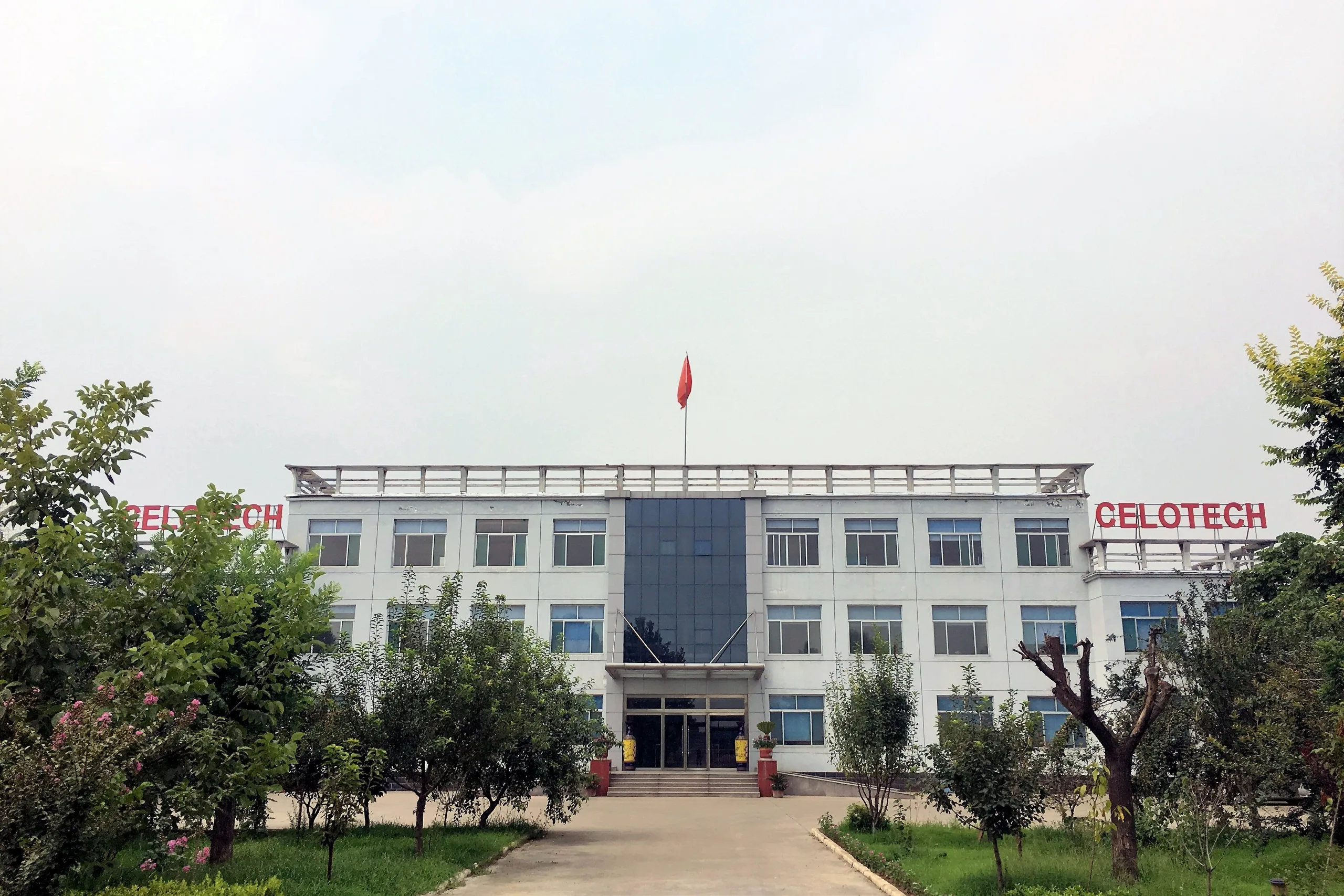
“Professional technical team to create high-quality cellulose ethers”
Our professional technical team consists of industry experts and senior engineers with rich production experience and expertise.
Through continuous research and development, we have launched a variety of new cellulose ether products, such as highly modified HPMC/MHEC/HEC, etc., to meet the application needs of different fields.
Our R&D team is also committed to optimizing production processes and reducing costs to provide you with more competitive product solutions.
“Celotech’s Professional Packaging and Logistics Services”
Celotech provides professional packaging services, accurately calculates the maximum loading quantity to save the logistic costs for customers and we ensure the safety and integrity of your cellulose ether products during transportation. We can also provide customized packaging solutions, providing neutral packaging or OEM packaging.
We have established long-term cooperation with many well-known logistics companies to provide the most cost-effective transportation solutions whether it is air, sea or land transportation.

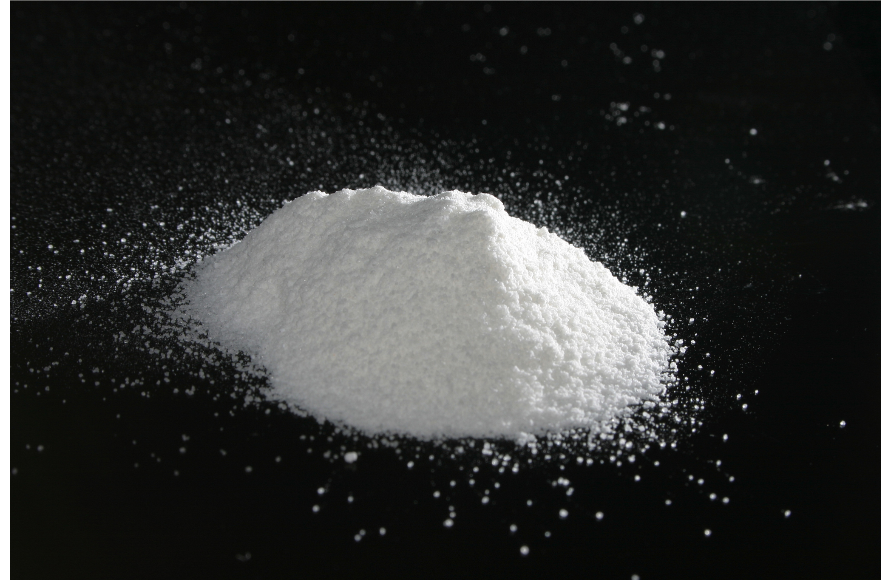
“Why Choosing Celotech Free Samples?”
Quality assurance: We promise that the samples you receive are of the same quality as the bulk products.
Wide application: Whether you are an expert in the construction industry or a beginner, our cellulose ethers always meet your needs.
Professional recommendation: You only need to tell us the type you are currently using or other application directions, and we can match the most suitable cellulose ether products for you.
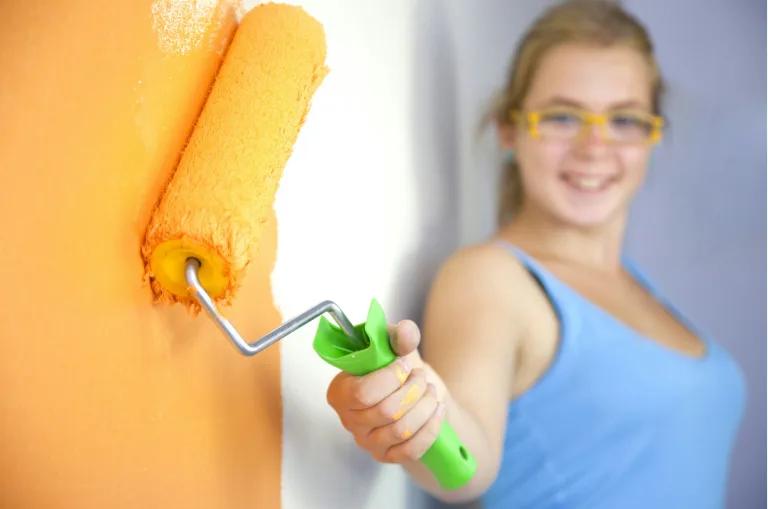


Celopro® HEC is widely used in fields such as paints, petroleum, construction, the daily chemical industry, polymer, and textile industry.


We use cookies to enhance your browsing experience, serve personalised ads or content, and analyse our traffic. By clicking "Accept All", you consent to our use of cookies.
We use cookies to help you navigate efficiently and perform certain functions. You will find detailed information about all cookies under each consent category below.
The cookies that are categorised as "Necessary" are stored on your browser as they are essential for enabling the basic functionalities of the site. Show more
Necessary cookies are required to enable the basic features of this site, such as providing secure log-in or adjusting your consent preferences. These cookies do not store any personally identifiable data.
Functional cookies help perform certain functionalities like sharing the content of the website on social media platforms, collecting feedback, and other third-party features.
Analytical cookies are used to understand how visitors interact with the website. These cookies help provide information on metrics such as the number of visitors, bounce rate, traffic source, etc.
Performance cookies are used to understand and analyse the key performance indexes of the website which helps in delivering a better user experience for the visitors.
Advertisement cookies are used to provide visitors with customised advertisements based on the pages you visited previously and to analyse the effectiveness of the ad campaigns.