Key Advantages of HPMC in Construction Materials and Tile Adhesives
Introduction
Hydroxypropyl methyl cellulose (HPMC) is widely used in the construction industry as a high-performance additive for improving workability, water retention, and bonding strength. This article explores the main benefits of using construction grade HPMC in dry-mix mortars and tile adhesives.
What is Construction Grade HPMC?
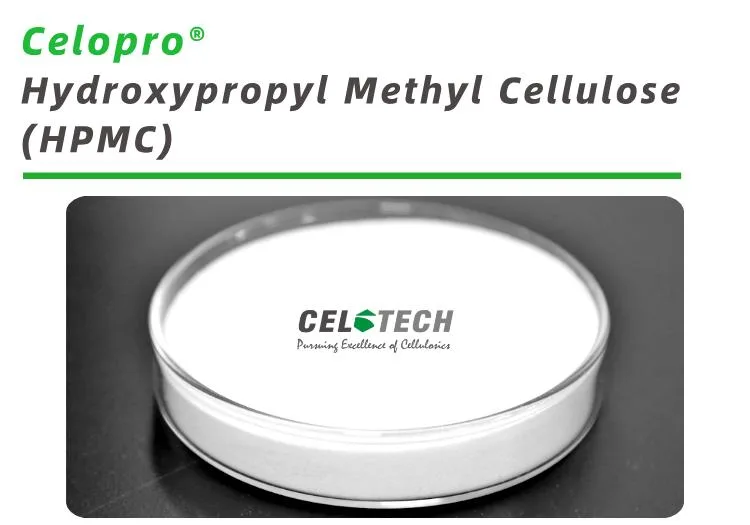
Construction grade HPMC is a non-ionic cellulose ether derived from natural refined cotton through chemical modification. It appears as a white or light yellow odorless powder that dissolves in cold water to form a transparent, viscous solution.
Its key functions include:
– Thickening agent
– Water retention agent
– Film-forming agent
– Dispersant and protective colloid
– Binder and emulsifier
As a versatile additive, construction grade HPMC is essential in improving the overall performance of dry-mix systems. Choosing high-quality construction grade HPMC ensures consistent quality and application behavior across different job sites.

Advantages of HPMC in Construction Mortars
When added to dry-mix mortars such as cement plaster, skim coats, or grouts, HPMC for construction mortar offers the following benefits:
– Improved Water Retention: Reduces water loss and allows for extended working time
– Fast Dissolution: Disperses in cold water without lumping
– Consistent Workability: Helps achieve a smooth and uniform mix
– Enhanced Lubricity and Plasticity: Makes mortar easier to spread and apply
– Sag Resistance: Prevents vertical flow of mortar on walls or surfaces
– Better Mixing Compatibility: Easily blends with cement, sand, and other additives
When selecting HPMC for construction mortar, parameters like viscosity and gel temperature must be considered. A high-performance HPMC for construction mortar ensures smooth application and prevents premature water loss.

Benefits of HPMC in Tile Adhesives
Tile adhesives require high performance in terms of bond strength, open time, and slip resistance. Using HPMC for tile adhesive significantly enhances the following aspects:
– Stronger Adhesion: Improves the bonding strength between tile and substrate
– Crack Resistance: Reduces shrinkage and cracking risks
– Better Air Entrainment: Improves mortar structure and reduces air bubbles
– Improved Aesthetics: Helps produce smoother surfaces and better finishes
– Extended Open Time: Allows for longer adjustment time during tile placement
– Reduced Slippage: Prevents tile sagging on vertical surfaces
As a widely used cellulose ether for tile adhesive, HPMC contributes to enhanced slip resistance and bonding performance. The formulation of HPMC for tile adhesive should balance between open time, adhesion strength, and workability. The effectiveness of a cellulose ether for tile adhesive depends on its viscosity, substitution degree, and particle size.
Recommended Dosage & Technical Parameters
| Property | Typical Range |
|---|---|
| Recommended Dosage | 0.2% – 0.6% (by weight of dry mix) |
| Viscosity Range (2% in water, 20°C) | 10,000 – 200,000 mPa.s |
| Appearance | White/light yellow powder |
| pH Value (1% solution) | 6.0 – 8.5 |

Optimizing Your Formulation with HPMC
Whether you’re working with cement-based or gypsum-based systems, selecting the right HPMC for construction mortar or HPMC for tile adhesive is critical. As a reliable cellulose ether for tile adhesive, construction grade HPMC ensures the right balance between water retention, bond strength, and workability, making it indispensable in modern dry-mix technologies.
Conclusion
In modern dry-mix systems, HPMC is an essential additive that significantly enhances the performance of mortars and tile adhesives. It ensures consistent workability, improves adhesion, extends open time, and contributes to overall application efficiency.
Frequently Asked Questions (FAQ)
Q1: Can HPMC be used in both cement-based and gypsum-based tile adhesives?
Yes. HPMC is compatible with both types, offering similar benefits in terms of water retention and workability.
Q2: Does HPMC affect the open time of tile adhesive?
Yes. It prolongs the open time, allowing installers more time to position tiles accurately.
Q3: What happens if the dosage is too low?
Insufficient dosage can lead to poor water retention, faster drying, and reduced bond strength.