Introduction: Meeting the Demands of Modern Construction
With the rapid advancement of the construction industry and the rise of high-rise buildings and large-scale infrastructure, the demand for high-performance concrete has grown significantly. Concrete mixtures now require not only higher strength grades but also enhanced durability and workability. Polycarboxylate Ether (PCE) Superplasticizer has emerged as a key high-performance concrete admixture in addressing these evolving construction needs.
What is Polycarboxylate Ether (PCE) Superplasticizer?
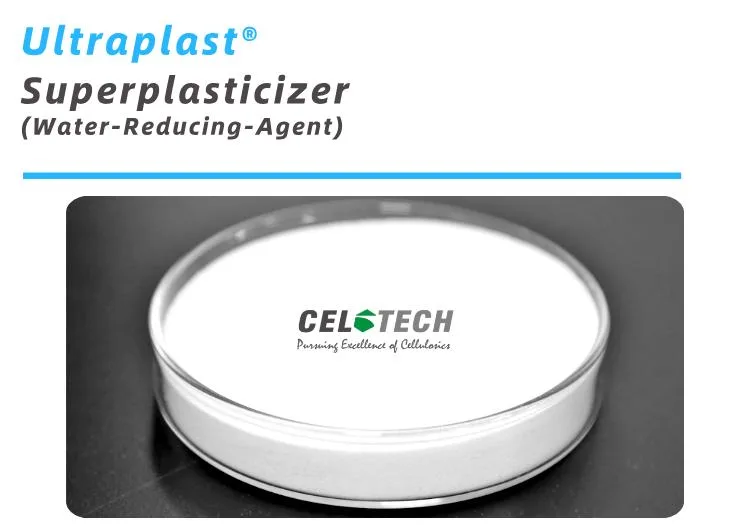
Polycarboxylate-based superplasticizer is a high-efficiency water reducing agent for concrete used to enhance its fluidity, strength, and overall performance. With its superior water reduction capability and low slump loss, PCE is a vital concrete additive in producing high-performance concrete, especially for applications such as pumped concrete and self-compacting concrete. As a PCE concrete additive, it improves mix behavior and optimizes placement efficiency.

Key Benefits and Effects of PCE Superplasticizer in Concrete
1. Improved Workability Without Changing Mix Composition
PCE allows for better placement and flow of concrete without the need to alter the existing concrete mix. It enhances workability, making the concrete easier to handle, pour, and finish.
2. Increased Strength and Durability
By reducing the water-cement ratio, PCE improves both early and long-term strength and durability of concrete. This is critical for projects that demand high compressive strength and long-lasting performance.
3. Optimized Material Use
PCE enables the reduction of water and cement content in the mix, which minimizes shrinkage, cracking, and heat of hydration. This not only improves structural integrity but also reduces material costs.
4. Essential for High-Grade Concrete
In concrete grades above C50, achieving desired workability is often only possible with the use of PCE. It plays an irreplaceable role in the development of advanced concrete technologies like fluid and grouting concrete.
Technical Characteristics of PCE Superplasticizers
High Water Reduction Efficiency
- Typical dosage: 0.80%–1.25% of the cementitious material
- Water reduction rate: 20%–35%
- Excellent when combined with fly ash for producing high-strength concrete
Enhanced Fluidity and Low Slump Loss
- Maintains a high slump (≥180 mm) with minimal loss over time
- Less than 15% slump loss after two hours, ensuring excellent concrete slump retention
- Reduces issues like bleeding and segregation common with traditional naphthalene-based superplasticizers
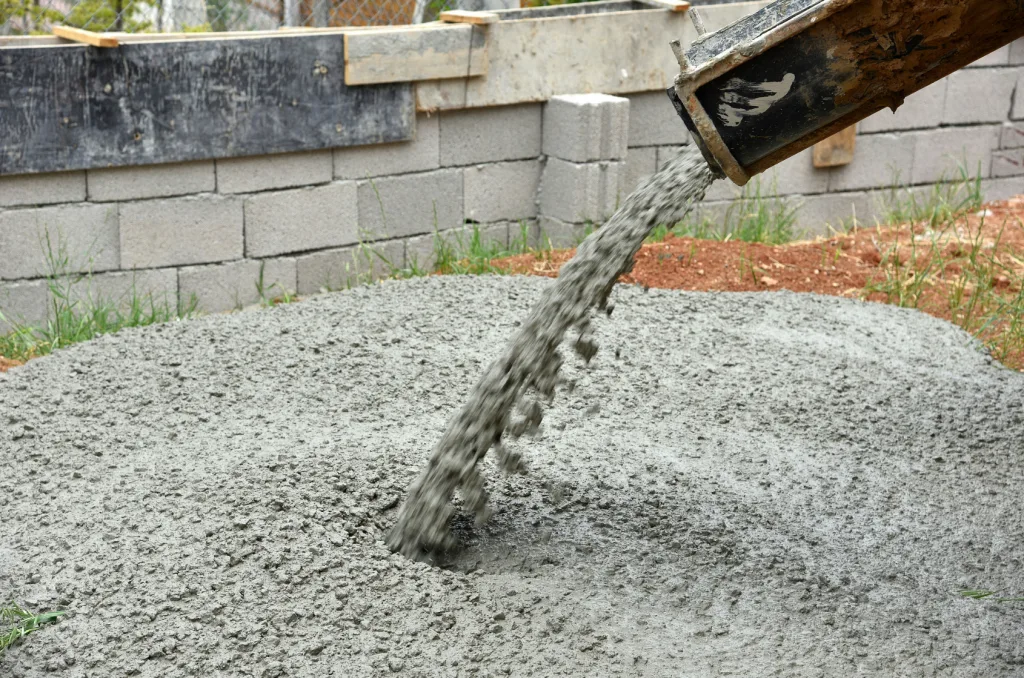
This makes it an ideal superplasticizer for pumped concrete, ensuring smooth delivery through pipelines and reducing the risk of blockage during transportation.
Broad Compatibility with Cementitious Materials
- Performs well with various types of cement and fly ash
- Improves pump ability and cohesion of fresh concrete
- Suitable for commercial concrete production and large-scale construction projects

Influencing Factors on the Performance of PCE in Concrete
1. Cement Characteristics
a. Mineral Composition
- Higher C3A and C3S content increases shrinkage and heat release, affecting slump retention.
b. Cement Fineness
- Higher fineness increases early hydration but can reduce long-term strength and workability.
c. Type of Gypsum Used
- Dihydrate, anhydrite, and fluorogypsum interact differently with PCE, affecting solubility and dispersion.
d. Soluble Alkali Content
- Low alkali cement may lead to faster slump loss, even with increased PCE dosage.
2. Fly Ash Quality
- Fine particles enhance fluidity and fill voids
- Poor quality (e.g., Grade III fly ash) can reduce workability and strength due to high ignition loss and water demand
3. Mineral Admixtures (e.g., Slag Powder)
- Improves early fluidity and reduces slump loss
- Variability in fineness and composition impacts performance
4. Aggregates (Sand and Stone)
- High clay content in sand can absorb superplasticizer, causing slump loss
- Aggregate gradation and particle size distribution influence water demand and consistency
Practical Application in Concrete Mix Design
To maximize the benefits of this PCE concrete additive:
- Select high-quality cement, fly ash, and mineral admixtures
- Ensure compatibility through preliminary mix testing
- Adjust dosage according to project-specific strength and workability requirements
Conclusion: Why PCE is Essential for High-Performance Concrete
Polycarboxylate Ether Superplasticizer offers a revolutionary improvement in concrete technology. As a leading superplasticizer for pumped concrete, its ability to significantly reduce water content, enhance strength, maintain fluidity, and improve durability makes it an indispensable additive in today’s construction landscape. By understanding its interactions with different concrete components and applying it strategically, engineers and builders can ensure more efficient, durable, and cost-effective concrete solutions.
PCE superplasticizer not only facilitates the construction of more complex structures but also aligns with modern demands for sustainability, safety, and performance in the built environment.