A Complete Guide to Water-Reducing Agents: Types, Properties, and Applications
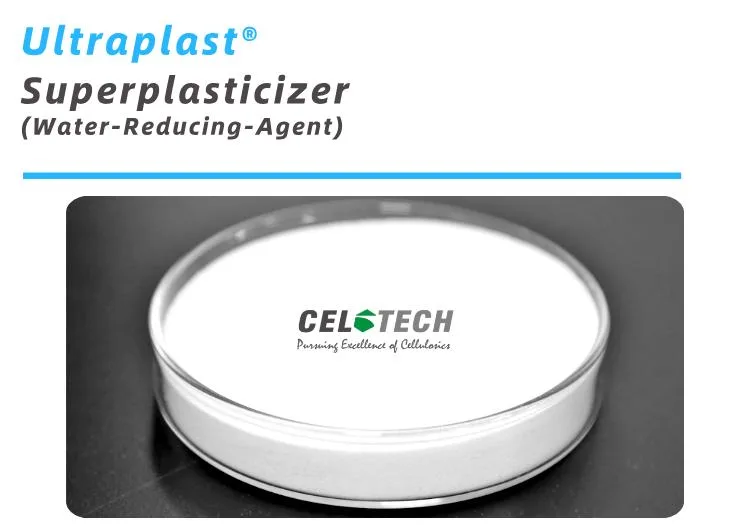
Water-reducing agents, also known as superplasticizers or concrete admixtures, are essential components in modern construction and cement-based material formulations. These admixtures improve workability, enhance strength, reduce water consumption, and support high-performance concrete applications.
In this article, we explore the four main types of water-reducing agents commonly used in the construction industry: lignin-based, naphthalene-based, melamine-based, and polycarboxylate-based superplasticizers, along with their respective characteristics, dosage recommendations, and suitable applications.
What Are Water-Reducing Agents?
Water-reducing agents are chemical admixtures added to concrete to reduce the water content while maintaining or improving the concrete’s workability. These agents help achieve higher strength and durability in cementitious materials, and they are critical in precast concrete, self-leveling mortars, dry-mix products, and high-performance concrete (HPC).

Main Types of Water-Reducing Agents
1. Lignin-Based Water-Reducing Agents
Overview
Lignin-based water-reducing agents are conventional or ordinary water reducers made primarily from lignosulfonates such as:
Calcium lignosulfonate
Sodium lignosulfonate
Magnesium lignosulfonate
Key Features
Moderate water-reducing rate
Retards setting time (coagulation)
May entrain air (air-entraining effect)
These agents are cost-effective but must be used with care due to their tendency to reduce strength or delay setting if overdosed.
Recommended Dosage: 0.2% – 0.3% by weight of cement
Best Use Cases
Mass concrete
Non-structural precast elements
General-purpose concrete in mild environments
2. Naphthalene-Based Superplasticizers
Overview
Naphthalene-based superplasticizers (also known as naphthalene sulfonate formaldehyde condensates or NSF) are derived from coal tar distillates, including:
Naphthalene
Methyl naphthalene
Anthracene
Cumarone
These admixtures are classified as high-range water reducers (HRWR).
Key Features
High water-reducing efficiency
No air-entraining effect (in optimal molecular weight range)
No retardation of setting
Well-established production technology
Cost-effective for large-scale concrete applications
Recommended Dosage: 0.2% – 1.0% by weight of cement
Best Use Cases
Ready-mix concrete
Pumped concrete
Cement grouts
Precast concrete
Dry-mix mortar leveling agents

3. Melamine-Based Superplasticizers
Overview
Melamine-based superplasticizers, known as melamine formaldehyde condensates, offer performance characteristics similar to naphthalene-based products but with slightly enhanced water reduction and strength development.
Key Features
Non-retarding, non-air-entraining
Excellent fluidity and early strength
Higher cost than naphthalene-based agents
Ideal for spray drying
Recommended Dosage: 0.5% – 2.0% by weight of cement
Best Use Cases
High-performance grouting materials
Self-leveling compounds
Trowel-applied floor underlayments
4. Polycarboxylate-Based Superplasticizers (PCE)
Overview
Polycarboxylate ether (PCE) superplasticizers represent the latest generation of high-performance water-reducing agents. These are widely recognized for their superior performance in ultra-high-performance concrete (UHPC) and other advanced applications.
Key Features
Very high water-reduction capacity (up to 40%)
Excellent fluidity and dispersion
Outstanding slump retention (minimal slump loss within 90 minutes)
Free from formaldehyde; environmentally friendly
Excellent compatibility with modern dry-mix mortar formulations
Recommended Dosage: 0.05% – 1.0% by weight of cement
Best Use Cases
High-strength concrete (HSC)
Self-consolidating concrete (SCC)
Dry-mix mortars
Fiber-reinforced concrete
Green building materials

How to Choose the Right Superplasticizer?
When selecting a water-reducing agent, consider:
Concrete performance requirements (e.g., strength, workability, setting time)
Project type (e.g., infrastructure, housing, flooring)
Cost-effectiveness
Environmental factors (e.g., temperature, humidity)
Proper selection and dosage are crucial to avoid over-retardation, strength loss, or construction delays.
Conclusion
Water-reducing agents and superplasticizers play a vital role in modern construction. By understanding the characteristics of lignin-based, naphthalene-based, melamine-based, and polycarboxylate-based admixtures, you can optimize your concrete mix designs for strength, durability, and workability.
Whether you’re formulating dry mix mortar, designing self-leveling screeds, or producing precast concrete elements, selecting the right concrete chemical admixture ensures performance, cost savings, and long-term durability.
✅ Looking for high-performance superplasticizers for your dry-mix mortar or concrete applications?
Get in touch with us to learn more about our full range of HPMC, RDP, and superplasticizer additives tailored for professional use.