Introduction
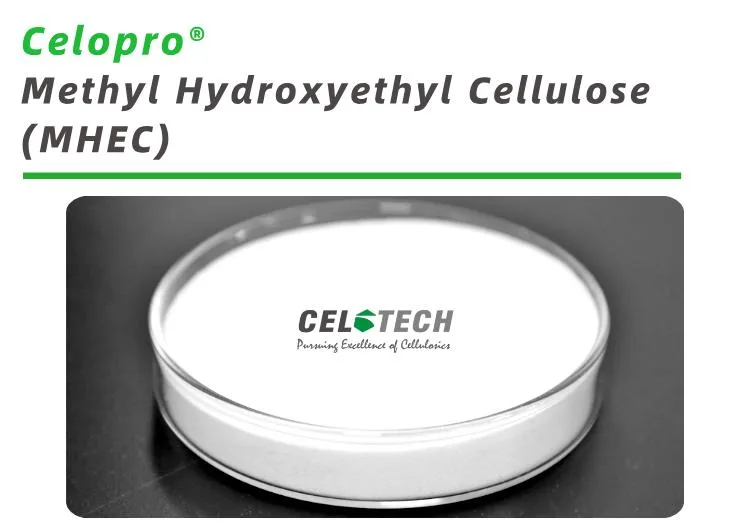
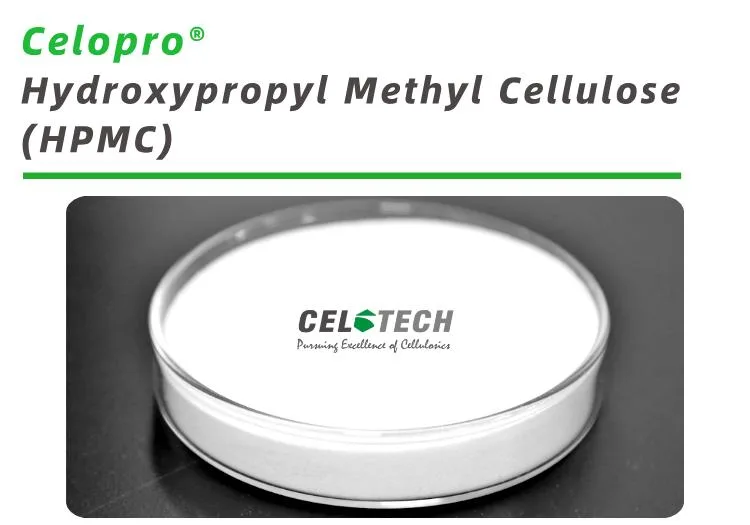
In the construction chemicals industry, cellulose ethers play a crucial role as key additives in dry mix mortar, tile adhesives, self-leveling compounds, and wall putty formulations. Among the most widely used cellulose ethers are Hydroxypropyl Methyl Cellulose (HPMC) and Methyl Hydroxyethyl Cellulose (MHEC), both of which serve as thickeners, water retention agents, binders, and film-forming agents. While these two materials exhibit similar functionalities, they differ in key aspects that influence their performance in various construction applications.
This article explores the similarities and differences between HPMC and MHEC, particularly in terms of thermal stability, water retention, and application suitability in different environmental conditions. Understanding these differences can help formulators and construction professionals choose the most suitable cellulose ether for their specific needs.

Similarities Between HPMC & MHEC in Construction Chemicals
Both HPMC and MHEC are essential cellulose ether additives widely used in dry mix mortar, cement-based plaster, gypsum-based plaster, tile adhesives, wall putty, self-leveling compounds, and EIFS/ETICS systems. Their primary functions include:
- Water Retention: Enhances water-holding capacity, preventing premature moisture loss and ensuring proper hydration of cement and gypsum.
- Thickening & Workability: Improves the consistency and spreadability of mortar and plaster, enhancing trowelability and reducing sagging.
- Adhesion Enhancement: Strengthens the bond between substrate and coatings, improving adhesive performance in tile adhesives and skim coats.
- Crack Resistance: Reduces shrinkage and prevents surface cracks in cementitious and gypsum-based applications.
- Air Entrainment: Helps introduce controlled air voids to improve workability and freeze-thaw resistance.
- Dispersion & Stability: Acts as a protective colloid in the polymerization of vinyl acetate-based emulsions, ensuring stability across a wide pH range.
With these shared properties, both HPMC and MHEC are widely applied in masonry mortars, tile adhesives, grouts, self-leveling flooring, and gypsum-based compounds, making them indispensable in the construction additives industry.
Key Differences Between HPMC & MHEC
One of the most significant differences between HPMC and MHEC is their thermal stability, which is directly influenced by their gel temperature.
1. Thermal Stability & Gel Temperature
- HPMC Gel Temperature: Typically between 60°C and 75°C, depending on the molecular substitution and production process.
- MHEC Gel Temperature: Generally higher, at 80°C or above, due to the presence of hydroxyethyl groups.
Why is this important? In hot climates, such as Southeast Asia, the Middle East, and India, where mortar application often takes place under high temperatures, the choice of cellulose ether is critical. MHEC’s higher gel temperature ensures better stability in extreme heat, preventing premature gelation and water loss, thereby enhancing workability and reducing the risk of mortar hardening too quickly.
For construction projects in warm and dry environments, MHEC-based formulations are preferable due to their superior performance in hot weather mortar applications.
2. Water Retention Performance
The hydrophilicity of MHEC is slightly higher than that of HPMC, which results in enhanced water retention at the same dosage and viscosity levels.
- HPMC: Excellent water retention properties, making it a reliable choice for general mortar applications.
- MHEC: Slightly better water retention due to additional hydrophilic functional groups, making it ideal for hot and dry weather applications where extended open time is required.
In gypsum-based plaster, tile adhesives, and self-leveling compounds, this property can contribute to better workability, open time, and curing performance.

Choosing Between HPMC & MHEC for Construction Applications
When selecting the right cellulose ether for construction chemicals, it is essential to consider the environmental conditions and specific formulation needs:
- For general applications: HPMC is a cost-effective and versatile option for plasters, mortars, tile adhesives, and putties.
- For high-temperature environments: MHEC is the better choice due to its higher gel temperature and improved thermal stability.
- For extended open time and higher water retention: MHEC offers advantages, especially in self-leveling flooring, EIFS/ETICS systems, and hot-weather masonry applications.
Conclusion
Both HPMC and MHEC serve essential functions in cement-based and gypsum-based construction materials, enhancing workability, adhesion, and durability. While they share similar thickening, water retention, and adhesion-enhancing properties, their thermal stability and hydrophilicity set them apart.
For construction professionals and mortar manufacturers looking to optimize their formulations, understanding these differences is crucial in selecting the right cellulose ether for high-performance dry mix mortar, tile adhesives, and wall finishing systems.
By choosing the appropriate HPMC or MHEC-based formulation, you can ensure better workability, improved durability, and enhanced application efficiency in various construction environments.
For more information on high-quality HPMC and MHEC for construction chemicals, contact us today to find the best solution for your specific needs!