
Introduction
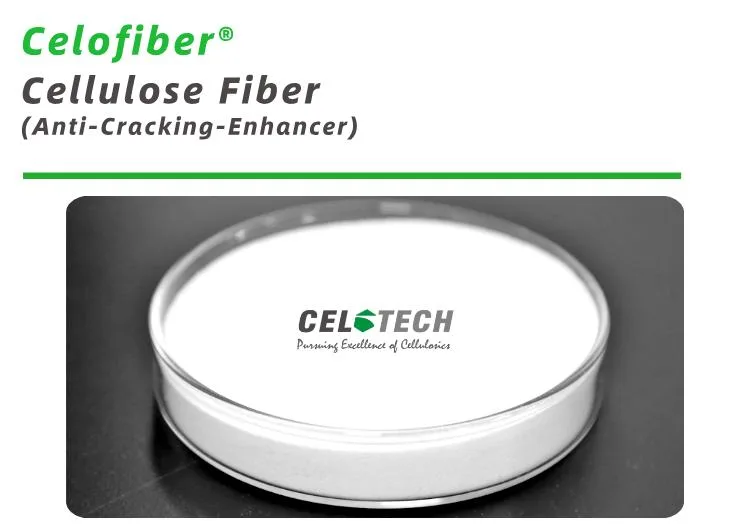
Cellulose fiber is a natural, renewable material widely used across the construction, automotive, chemical, and industrial sectors. At Celotech Chemical, our cellulose fiber products—branded as Celofiber®—are engineered through a precise and eco-conscious production process to ensure consistent performance and quality.
What Is Cellulose Fiber?
Cellulose fiber is derived from plant-based raw materials. It’s valued for its eco-friendliness, thermal stability, and excellent water retention properties, making it an ideal additive in various dry mix applications such as tile adhesives, skim coats, and crack fillers.
Step-by-Step Overview: Cellulose Fiber Production Process
1. Raw Material Selection and Cleaning
The process begins with carefully selected natural cellulose sources, such as wood pulp. The material undergoes mechanical cleaning and washing to remove any impurities that could affect performance.
2. Fiber Refinement
Refinement involves mechanical and sometimes chemical treatment to isolate and process the fibers into the required size and consistency. This step defines the fiber length, surface area, and bulk density, which are critical for application-specific performance.
3. Drying and Classification
Once refined, the fibers are dried under controlled conditions to prevent degradation. After drying, they are sieved and classified into various grades to meet different industrial requirements.
4. Packaging and Quality Assurance
Final products are packaged in bags or bulk containers (e.g., 10kg–25kg bags or 500kg pallets) and tested to meet Celotech’s stringent quality standards. All batches undergo testing for moisture content, pH level, and fiber length distribution.
Key Characteristics of Celofiber®
High water retention – Enhances workability in drymix mortars and tile adhesives.
Thermal resistance – Withstands processing temperatures up to 180°C.
Chemical stability – Effective across a pH range of 4 to 12.
Non-toxic & biodegradable – Safe for users and environmentally friendly.
Anti-cracking performance – Reduces shrinkage cracks in cementitious applications.
Applications of Celofiber Cellulose Fiber
🔹 Drymix Mortar
In cement-based products like tile adhesives, self-leveling compounds, and joint fillers, Celofiber improves anti-sagging, consistency, and crack resistance.
🔹 Tile Adhesive
As a functional additive, Celofiber enhances the open time, improves trowelability, and reduces slip—resulting in better tile bonding performance.
🔹 Road Construction
Used in asphalt mix modification, Celofiber improves thermal stability and reinforces the matrix.
🔹 PU Foam and Welding Electrodes
In polyurethane foam systems, it contributes to structural strength. For welding electrodes, it enhances arc stability and slag formation.
Popular Product Grades
| Product Grade | Recommended Use | Dosage (%) |
|---|---|---|
| CF60W | Tile adhesives, joint fillers | 0.3 – 0.4% |
| CF300W | Interior putty, leveling mortar | 0.3 – 1.0% |
| CF800W | ETICS/EIFS, textured coatings | 0.2 – 2.0% |
| CF950G | High-crack-resistance mortars | 0.4 – 1.5% |
Why Choose Celofiber®?
Celotech’s Celofiber cellulose fiber products are tailored to meet the highest standards in dry mix mortar technology, delivering consistent results and outstanding application benefits. Whether you’re formulating a premium tile adhesive, a durable skim coat, or high-performance asphalt concrete, Celofiber is the solution for you.