What Is Cellulose Ether?
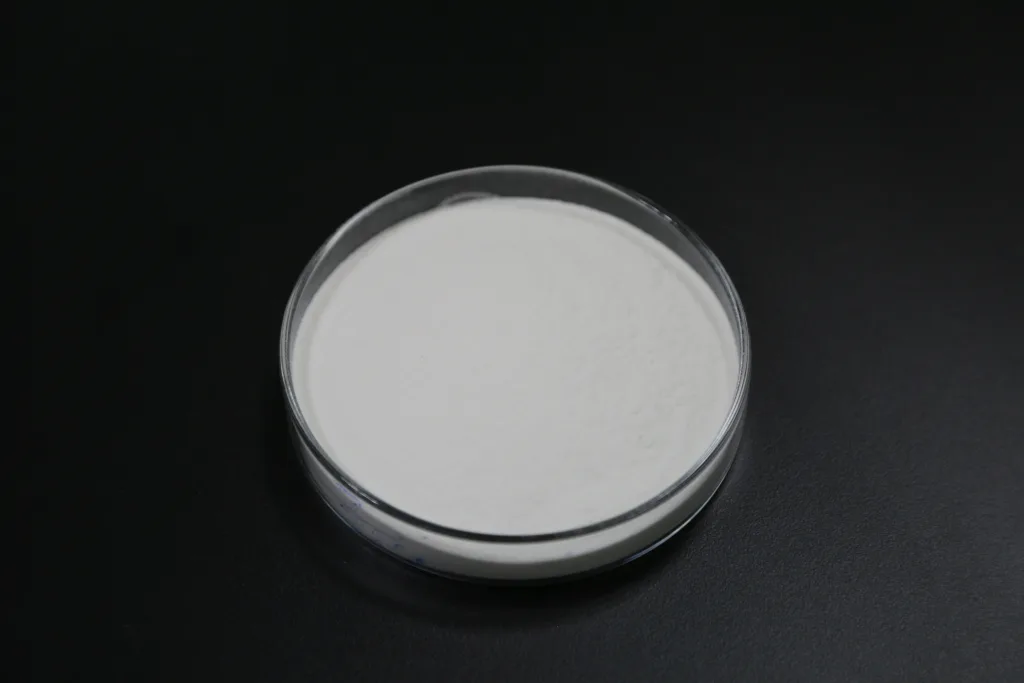
Cellulose ether is a chemically modified derivative of natural cellulose, typically sourced from wood pulp or refined short cotton fibers. It is manufactured through a series of chemical reactions, including alkalization and etherification, resulting in a fine white powder used in a wide range of industrial applications.
In construction, cellulose ether acts as a crucial additive in dry-mix mortar, tile adhesives, skim coats, and other building materials due to its excellent water retention, thickening, and binding properties.
Production Process of Cellulose Ether
The production of cellulose ether involves several precise chemical steps:
Raw Material Selection: Cellulose is extracted from cotton or wood pulp.
Alkalization: The cellulose is treated with sodium hydroxide, converting it into alkaline cellulose.
Etherification: Etherifying agents (such as chlorinated ethylene, propylene oxide, or ethylene oxide) react with alkaline cellulose to substitute hydroxyl groups on the cellulose chain with functional groups like methyl, hydroxyethyl, or hydroxypropyl.
Purification: The resulting cellulose ether is washed, dried, and ground into a fine powder.
Each substitution leads to different performance characteristics, enabling a wide range of cellulose ether types.

Types of Cellulose Ether (Based on Original Content)
The etherifying agent used determines the type of cellulose ether:
Methyl Cellulose (MC): Substitution of hydroxyl groups with methyl groups.
Hydroxyethyl Cellulose (HEC): Hydroxyethyl group substitution.
Hydroxypropyl Cellulose (HPC): Substitution with hydroxypropyl groups.
Hydroxypropyl Methyl Cellulose (HPMC): A mixed ether combining methyl and hydroxypropyl substitutions.
Hydroxyethyl Methyl Cellulose (HEMC/MHEC): A mixed ether with both methyl and hydroxyethyl groups.
The type and degree of substitution directly impact solubility, viscosity, water retention, and compatibility with various applications.
Applications of Cellulose Ether in Construction
Cellulose ether is a key functional additive in:

In these applications, cellulose ether improves:
Water retention during curing
Workability and open time
Rheology and consistency
Adhesion strength and reduced cracking
Why Cellulose Ether Matters
Cellulose ether enhances the performance and durability of modern construction materials. Its ability to retain water ensures optimal cement hydration, especially in thin-layer applications where rapid drying is a concern. Moreover, its thickening effect improves application performance without compromising strength or adhesion.
FAQ: Frequently Asked Questions About Cellulose Ether
Q1: Is cellulose ether natural or synthetic?
Cellulose ether is a semi-synthetic polymer derived from natural cellulose but modified through chemical processes.
Q2: What is the role of cellulose ether in dry-mix mortar?
It improves water retention, workability, and adhesion, making mortars easier to apply and more durable.
Q3: Are all cellulose ethers water-soluble?
Most construction-grade cellulose ethers like HPMC and HEMC are water-soluble, but their solubility depends on the type and degree of substitution.
Q4: Can cellulose ether be used in gypsum-based systems?
Yes. It enhances the open time, anti-sagging behavior, and adhesion of gypsum plasters and putties.
Q5: What are the most common cellulose ether types in construction?
HPMC and HEMC are the most widely used cellulose ethers in the construction industry.