Polyanionic Cellulose(PAC)

Polyanionic Cellulose(PAC)
> Back to Products
Product List
Polyanionic Cellulose(PAC)

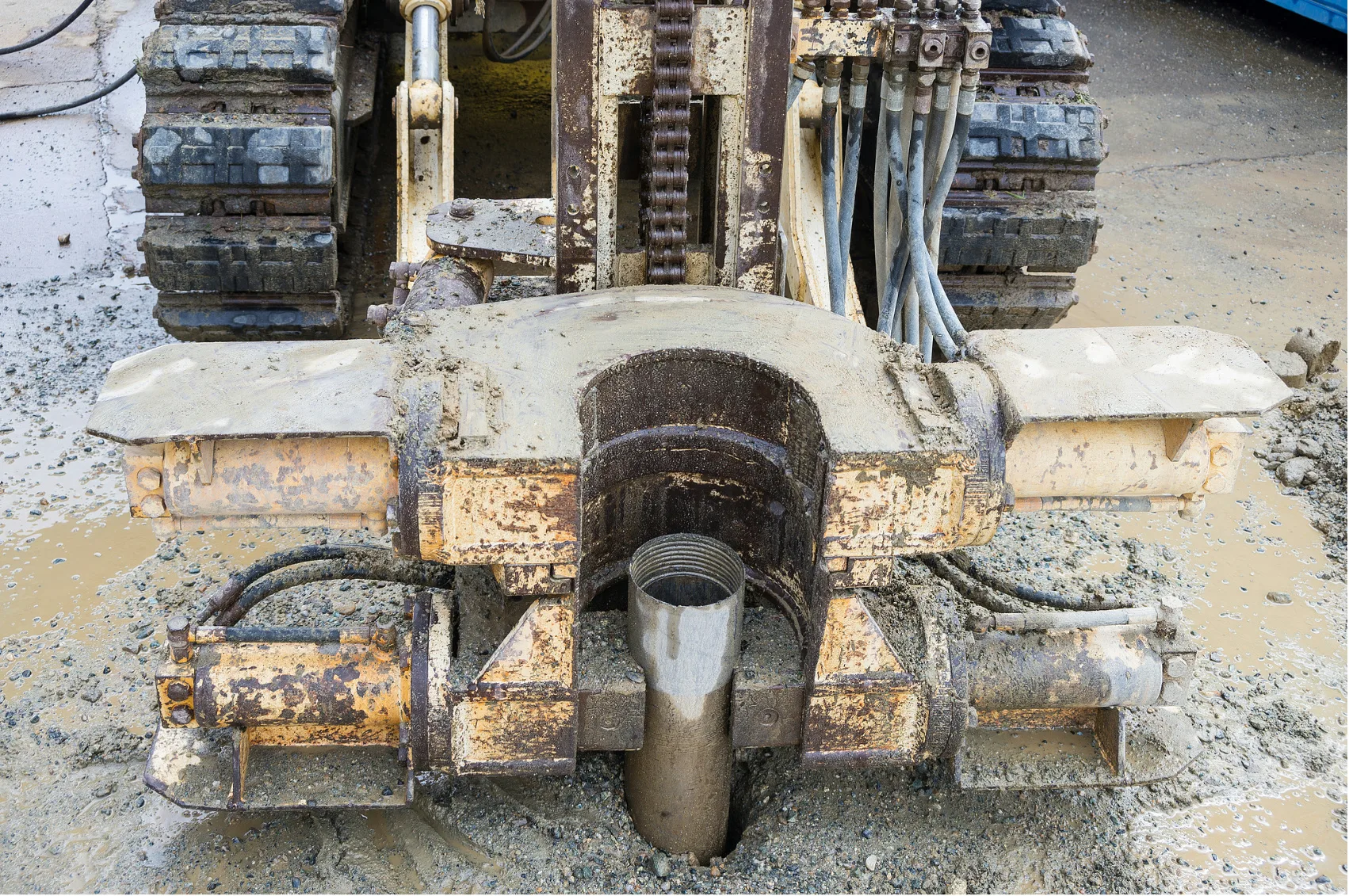
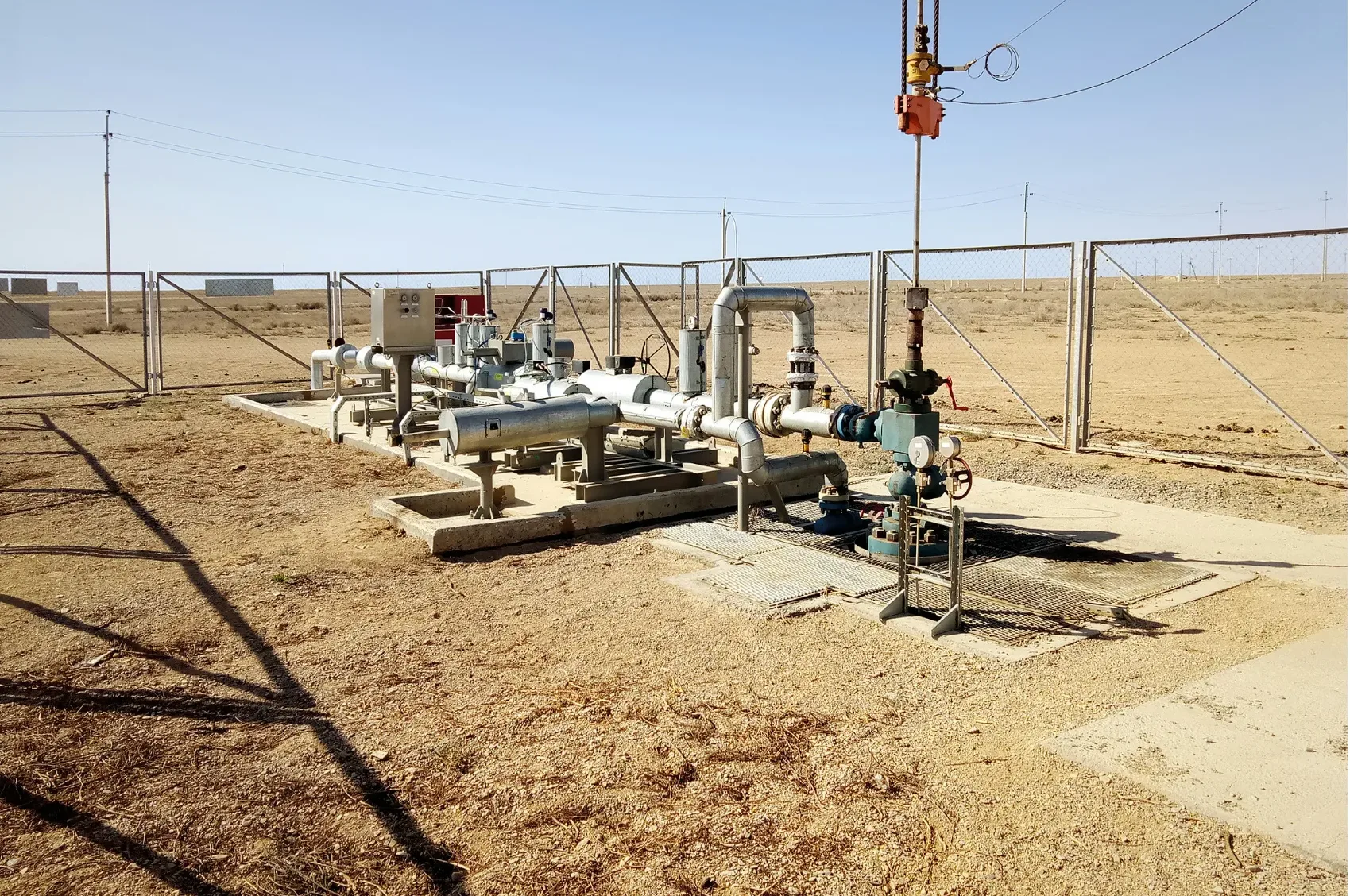
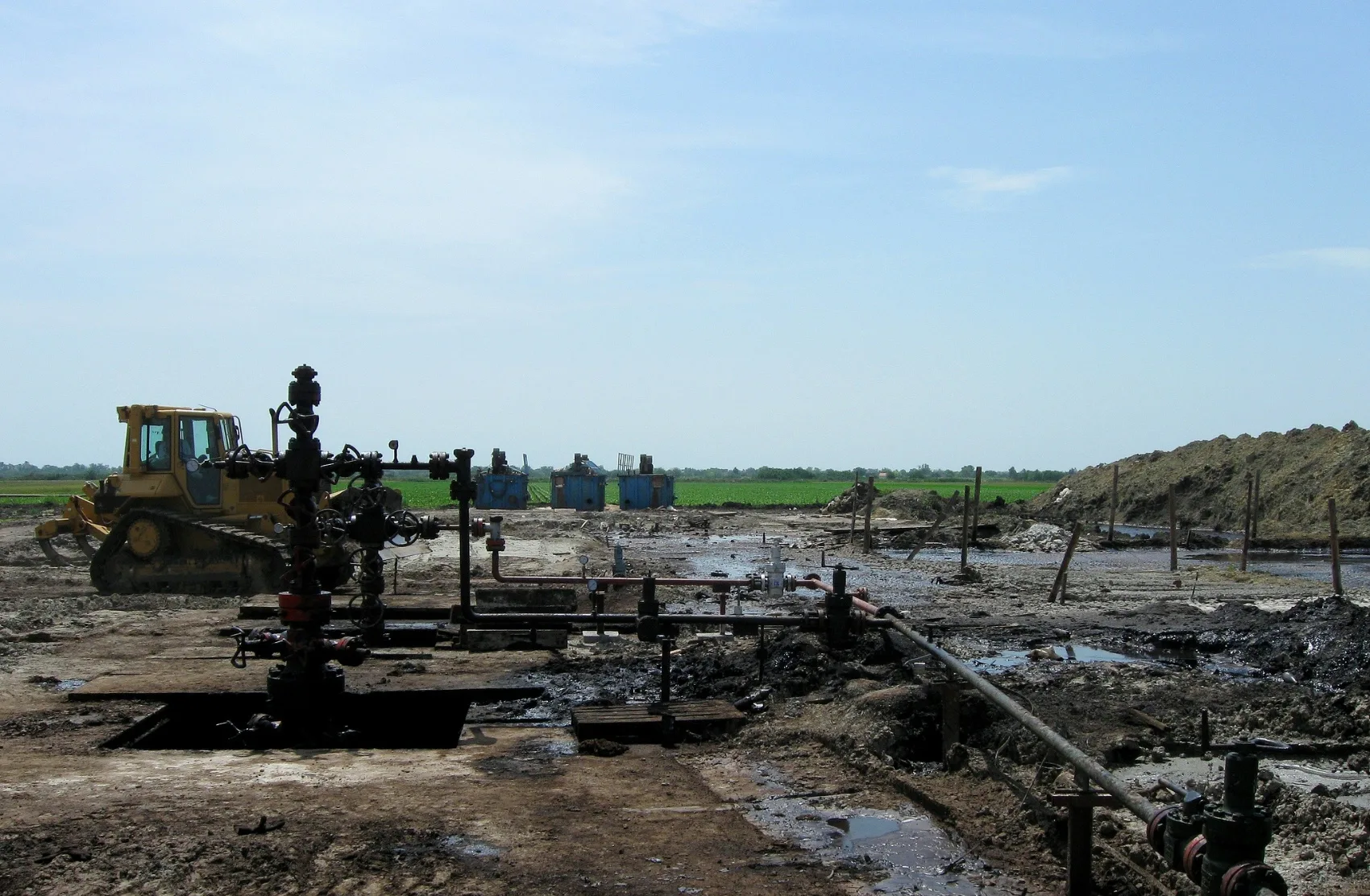
Polyanionic cellulose polymer (PAC) is an essential material for oilfield drilling and performs well in freshwater, brine, seawater and saturated brine environments. In drilling fluids, PAC can be used as a fluid loss reducer, viscosifier and rheology modifier. It controls water loss, forms a thin and elastic mud cake, and increases fluid viscosity and shear strength, thereby improving mud rheology. In addition to improving drilling fluid performance, PAC also supports wellbore stability, cuttings suspension and drill bit protection. Through chemical modification, the application range of PAC is extended to oil and gas field drilling and cementing, making it a valuable material for high-performance water-based drilling systems.

Product Details

Academic Name: PAC

HS Code: 39129000

CAS No.: 9004-32-4

Type: Chemical Auxiliary Agent

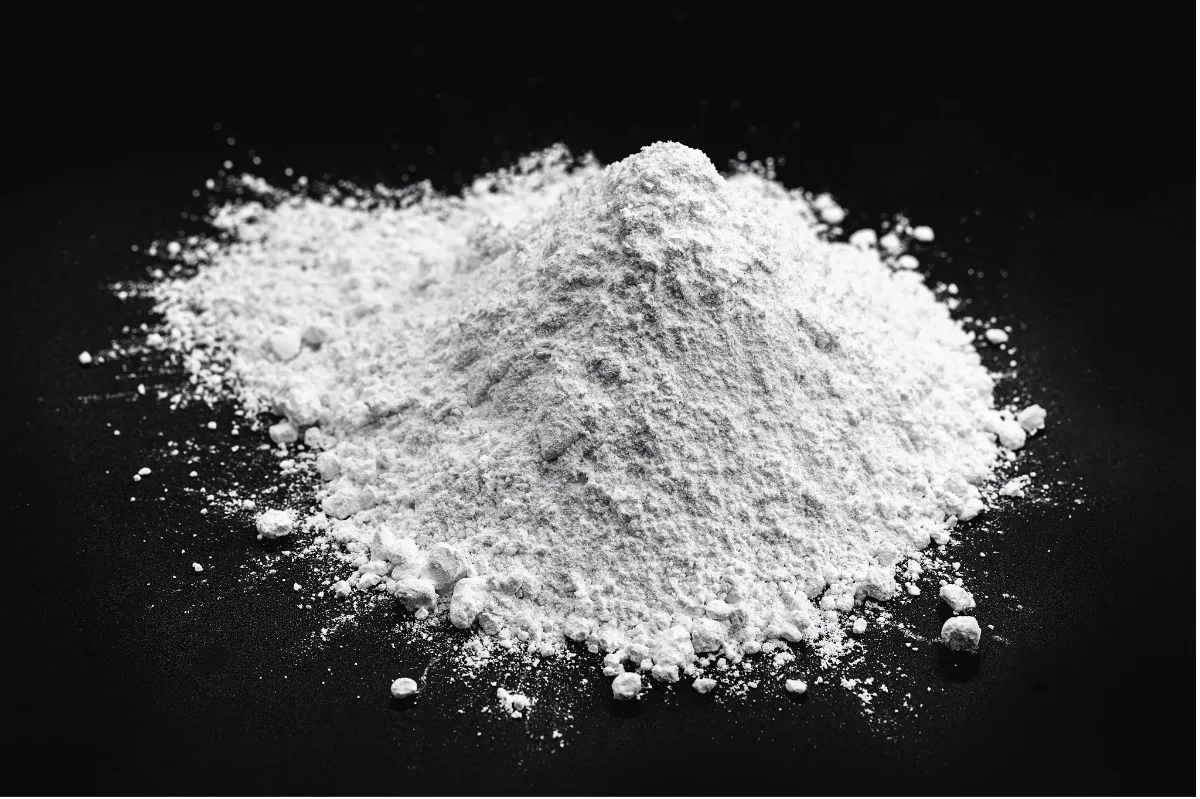
Appearance: white to off-white powder substance

Features: Fluid Loss Reducers, Viscosity Enhancers, Rheology Modifiers

Applications: drilling & cementing; oil & gas exploration

Functions of PAC

1. Fluid loss control: PAC minimizes water loss in the formation, protects the well-bore and prevents fluid loss;

2. Viscosity enhancement: It increases fluid thickness, improving suspension and transport of cuttings to the surface;

3. Rheology conditioning: PAC optimizes fluid flow characteristics across a wide range of pressures and temperatures, especially in high-salinity environments;

4. Salt resistance and stability: PAC remains effective across a wide range of formulations, supporting well-bore stability and protecting equipment.

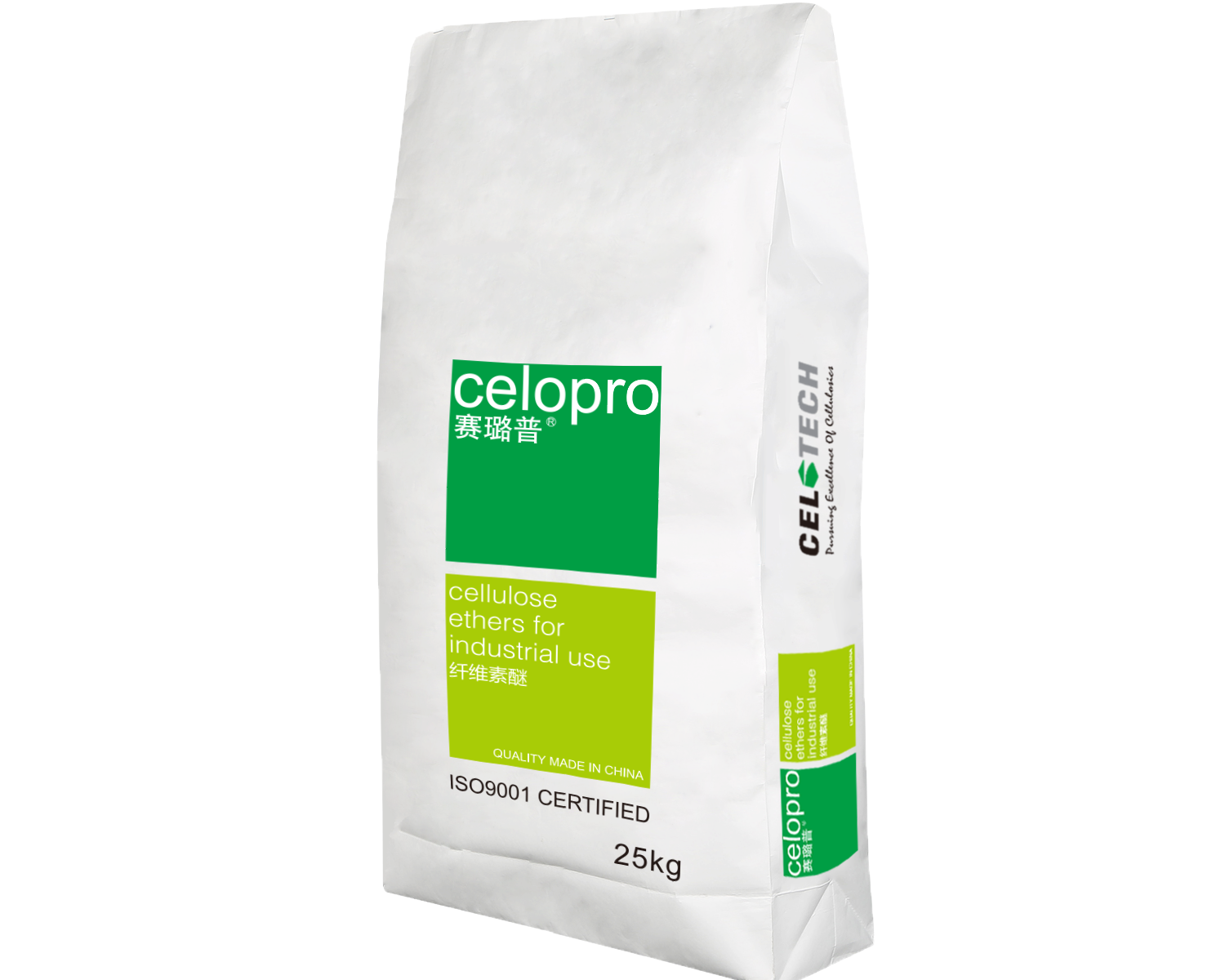
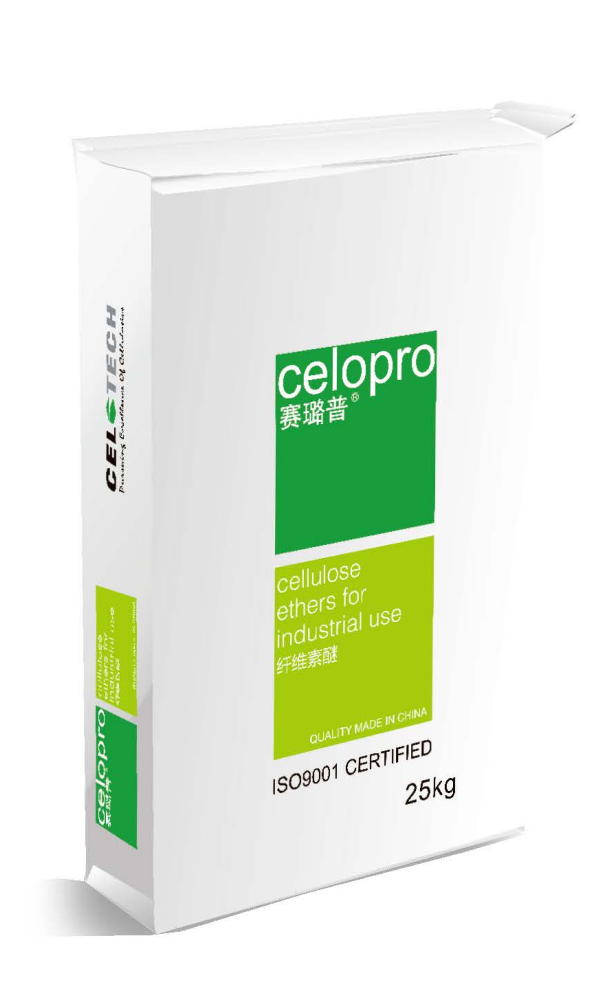
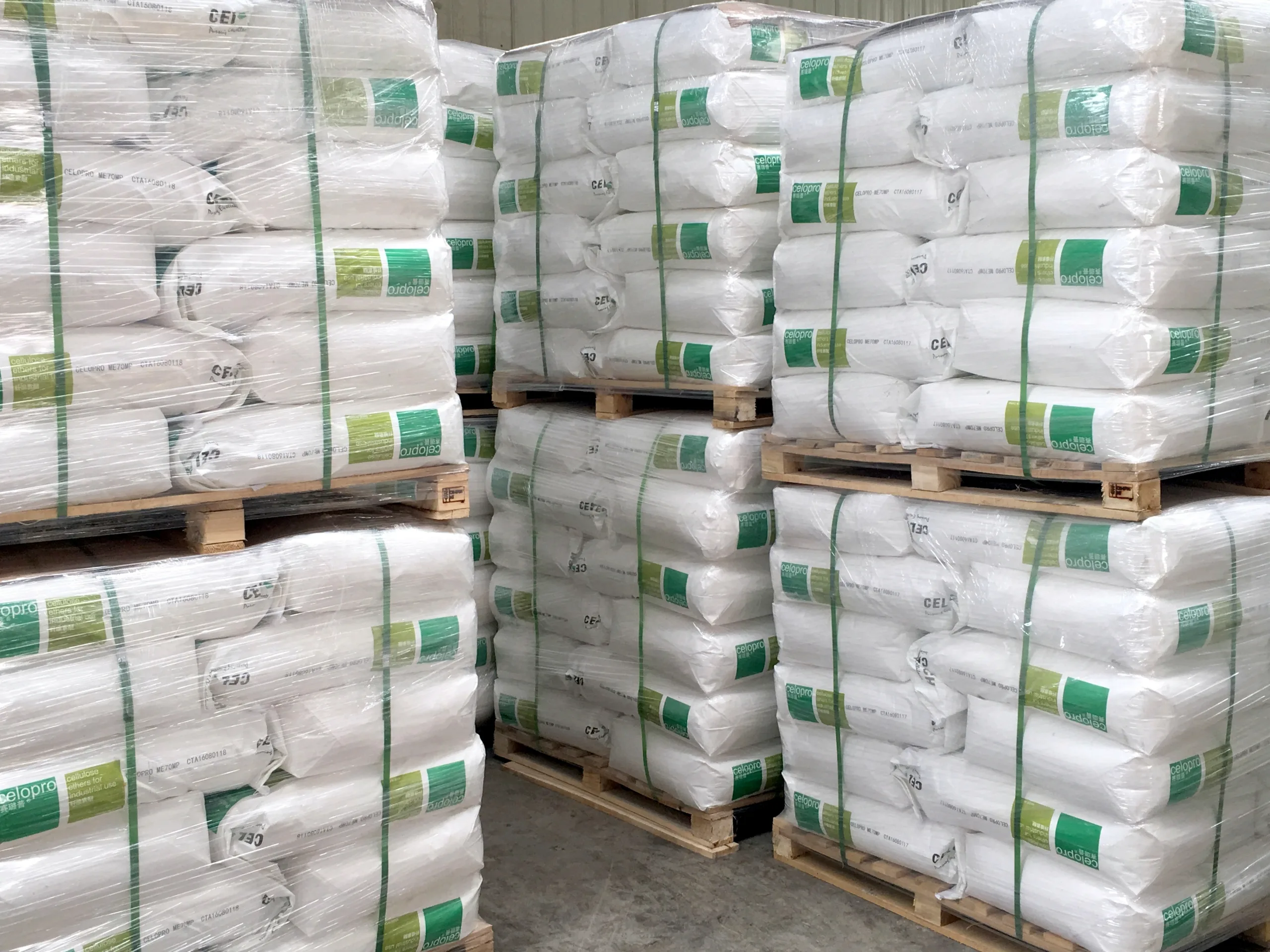
Polyanionic cellulose polymer-Celopac® Packaging

Packed in 25 kg multi-layer paper sack with polyethylene intermediate layer and inner P.E. bag, 15MT/20’container.

It is recommended that it be kept sealed and away from moisture.

Do not expose it to direct sunlight or near fire sources.

Frequently Asked Questions

Our Celotech Application Lab usually prepares free samples weighing less than 1.0kg, but the freight delivery fees from my lab to consignee should be on consignee’s account.

Always a pre-production sample for customer’s checking before mass production; Always final Inspection before shipment.

We value your privacy

We use cookies to enhance your browsing experience, serve personalised ads or content, and analyse our traffic. By clicking "Accept All", you consent to our use of cookies.

Get a Quote