Extrusion

Extrusion

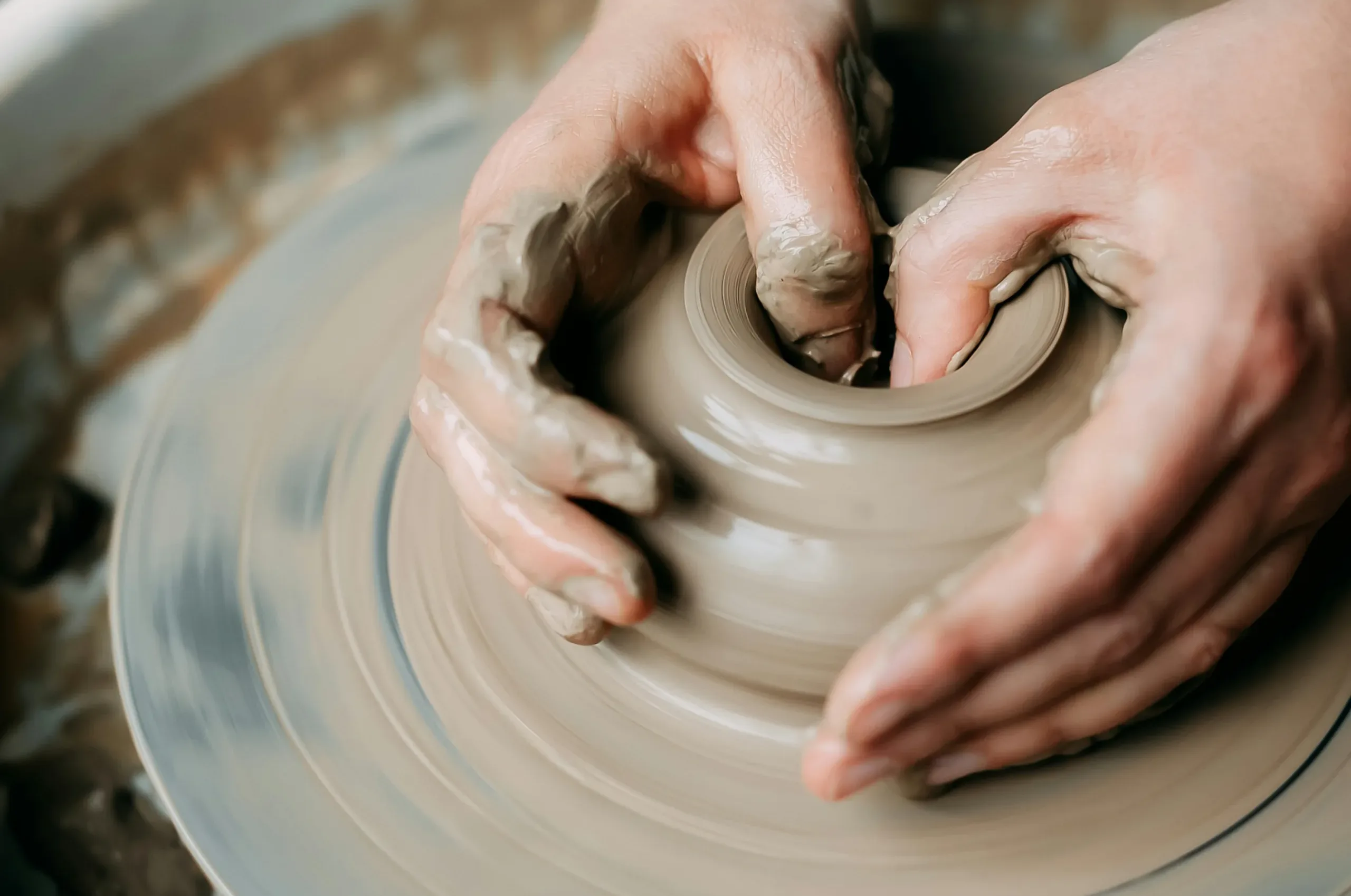
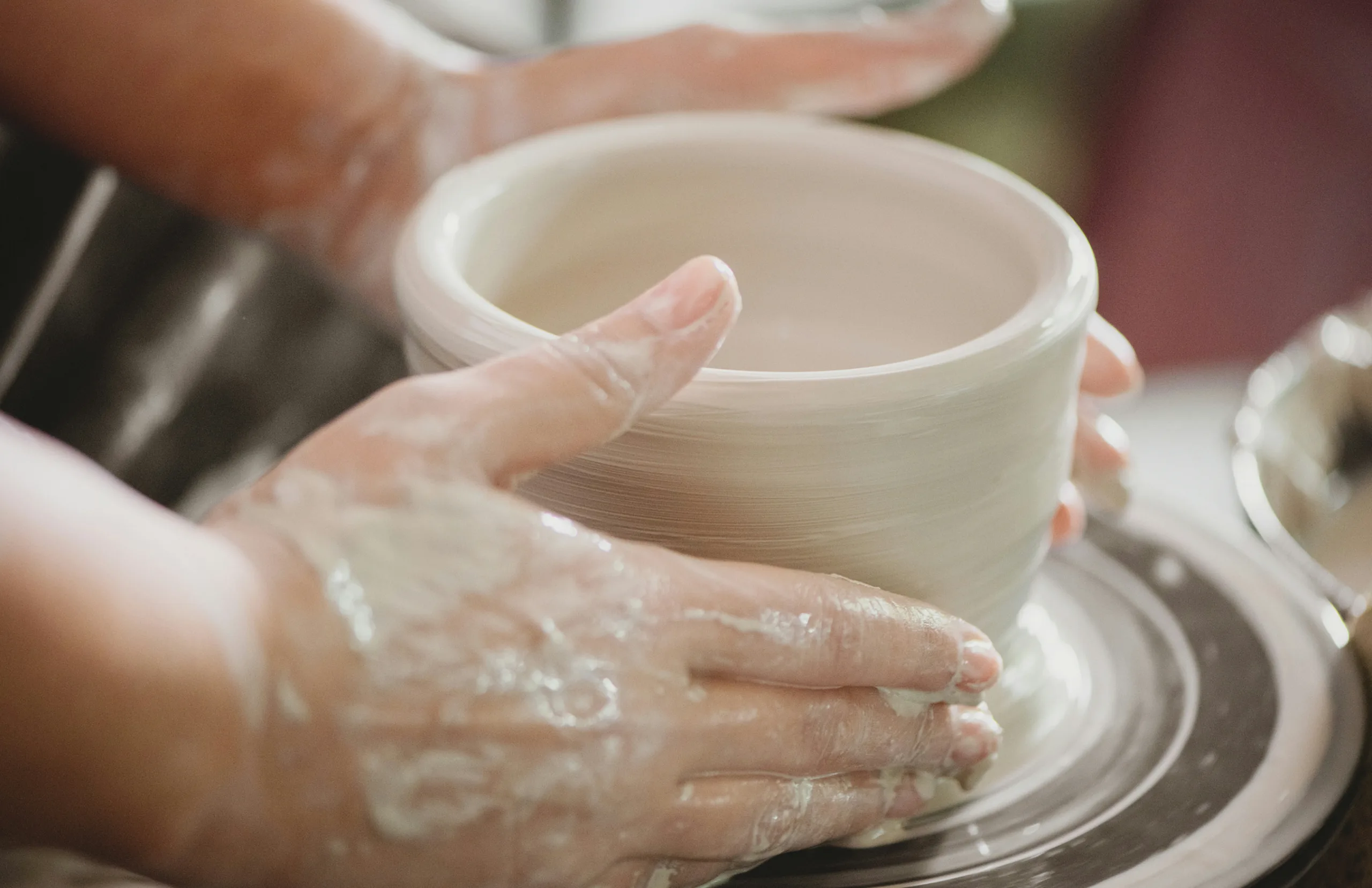
The process flow of ceramic extrusion includes:

Preparation of mixture, filling of mold, pressing, demolding, and subsequent processing.Cellulose ether is used for the first step.

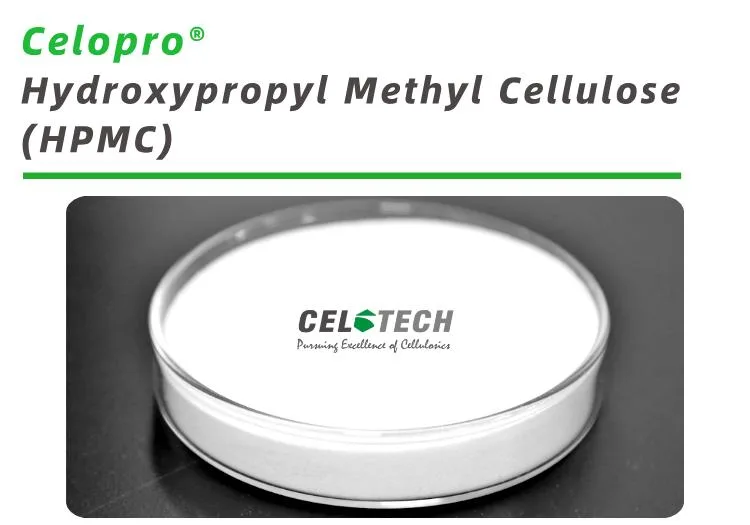
In the application of extrusion,Hydroxypropyl Methylcellulose(HPMC) is usually used.

Our Celopro® series product has good lubricity, water retention, adhesion, etc., which can ensure that the slurry material has good plasticity and flowability for subsequent extrusion operations.
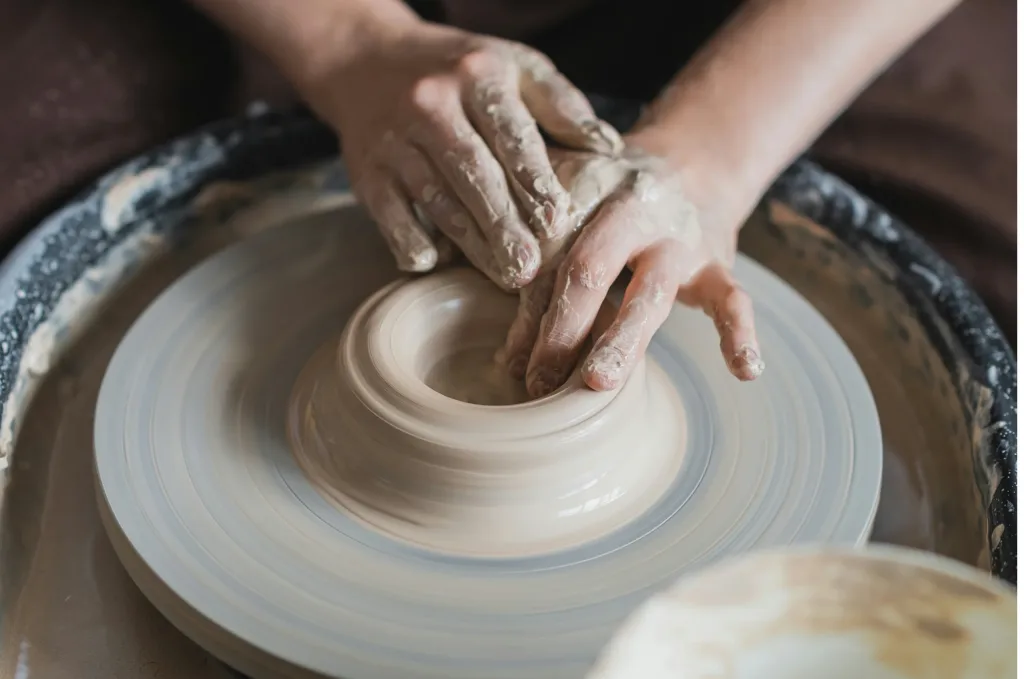
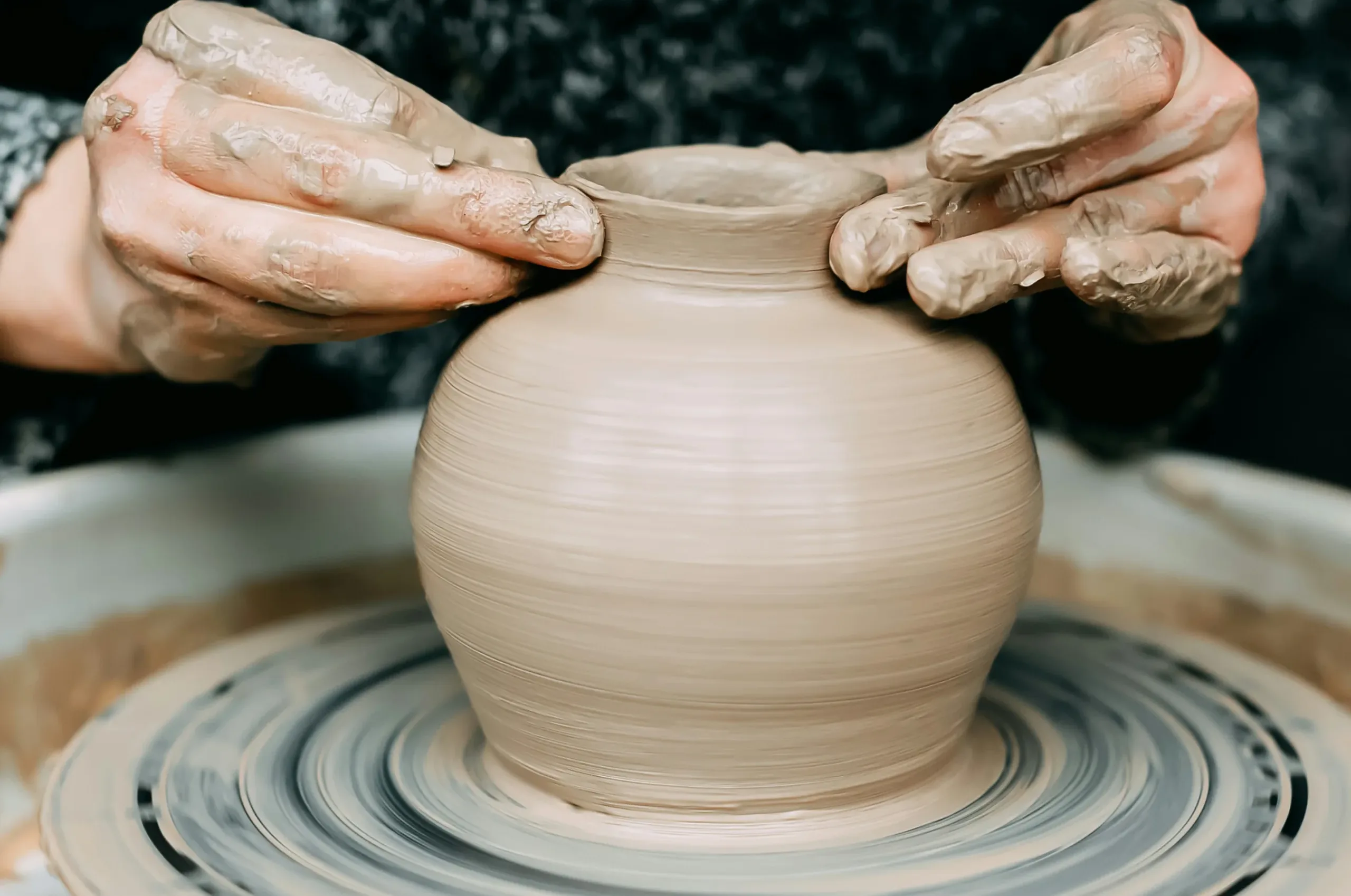
extrusion

Recommended Solutions

extrusion

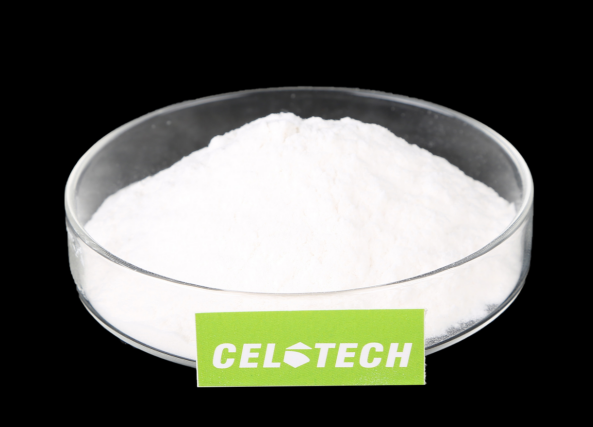
Hydroxypropyl Methylcellulose(HPMC)

Cellulose ether is mainly used in ceramic extrusion molding process to optimize the molding effect by adjusting the viscosity and dispersibility of the slurry, thereby improving the quality and construction efficiency of the product.

Celopro®HPMC series product can flexibly adjust the viscosity effect of the slurry. Thereby improved the processing performance of ceramic materials and the quality of the final product.

Recommend grade: Celopro®MK

Adhesive

Polyvinyl butyral (PVB) is an additive with good bonding properties. It can enhance the adhesion between ceramic particles and improve the strength of the body. After extrusion molding, the blank can better maintain its shape.

Dispersant

Sodium tripolyphosphate can evenly disperse various components in ceramic raw materials. During the extrusion molding process, it can prevent particle agglomeration and ensure uniform quality of the billet,effectively improve the dispersibility of raw materials and enhance the consistency of performance of ceramic products after extrusion molding.


extrusion

Product Features and Advantages

ceramic

Hydroxypropyl Methylcellulose(HPMC)

1.Good water retention

The retention of moisture is crucial in the process of ceramic extrusion molding. HPMC can effectively retain the moisture in ceramic slurry, prevent rapid loss of moisture, ensure appropriate humidity and flowability of the slurry during extrusion, and enable smooth extrusion molding.

2.Excellent thickening

It can increase the viscosity of ceramic slurry, allowing it to better maintain its shape during extrusion, preventing problems such as collapse or deformation of the slurry during extrusion, and helping to improve the dimensional accuracy and shape stability of ceramic products.


3.Good lubricity

HPMC can reduce the frictional resistance between ceramic particles and between ceramic slurry and extrusion equipment, making the slurry smoother during the extrusion process, reducing equipment wear, and also helping to improve extrusion efficiency.

4.Thermal gel property

The thermal gel property of HPMC enables ceramic products to maintain good structural stability during drying and firing,which helps to reduce defects such as product deformation and cracking.


ceramic

Our Service

technical support

Technical Support

At Celotech, we take great pride in offering top-notch technical support services that are designed to meet the diverse needs of our customers in the ever-evolving world of applications.

In the area of application development, we offer in-depth technical support to help you optimize the use of our various products in your formulations, ensuring maximum performance and efficiency.

Our team of highly qualified and experienced technicians is always on standby, ready to provide you with prompt and effective assistance whenever you need it.

“Excellence After-Sales Service”

  • Our after-sales service starts with product training and is always ready to assist.
  • Responsive support addresses questions, and experts handle technical issues promptly.
  • Regular follow-ups and product updates are provided, along with quality assurance.
  • We focus on building long-term relationships, ensuring your satisfaction and success.
After-Sales Service
lab

“Training and education from CELOTECH technical center”

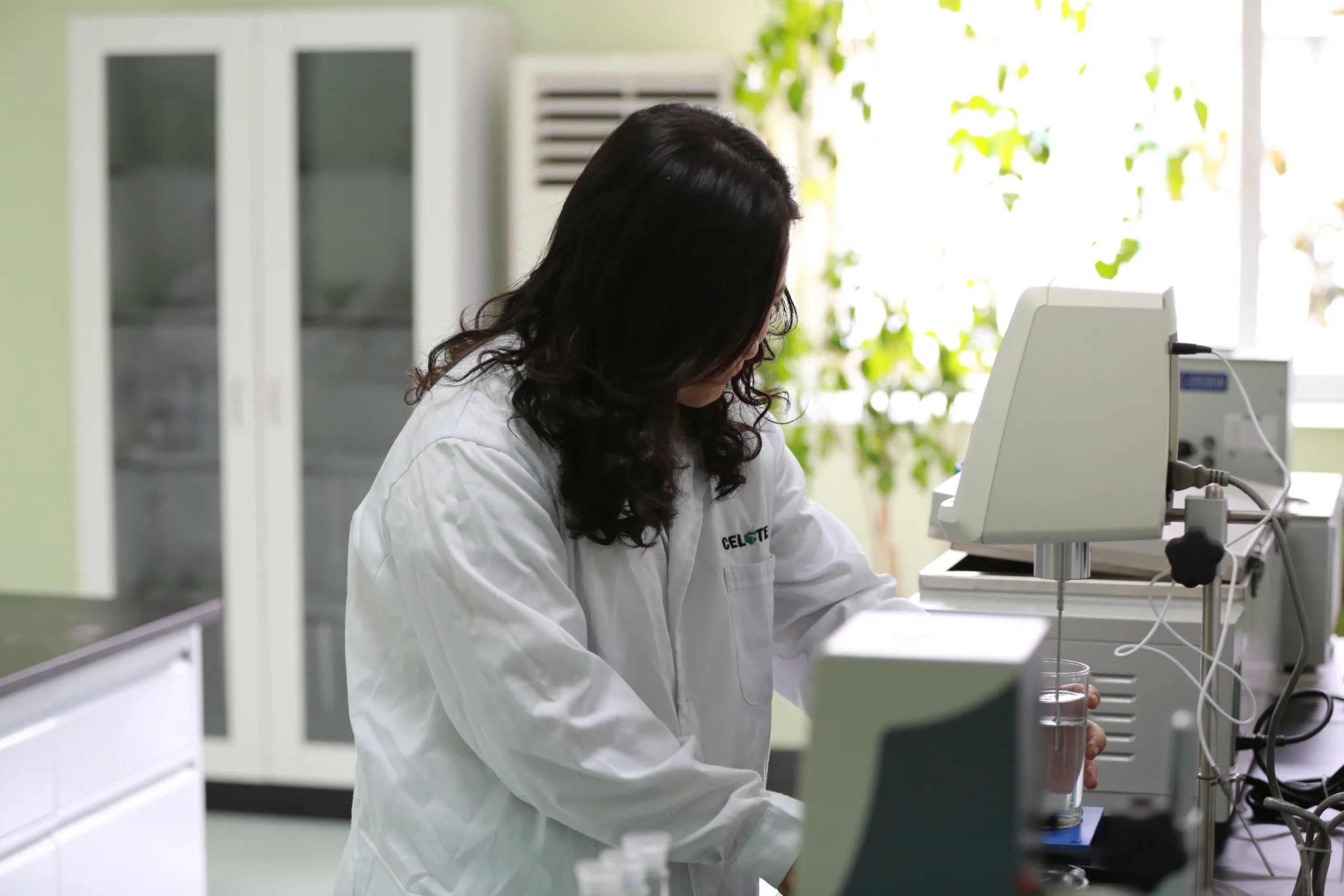
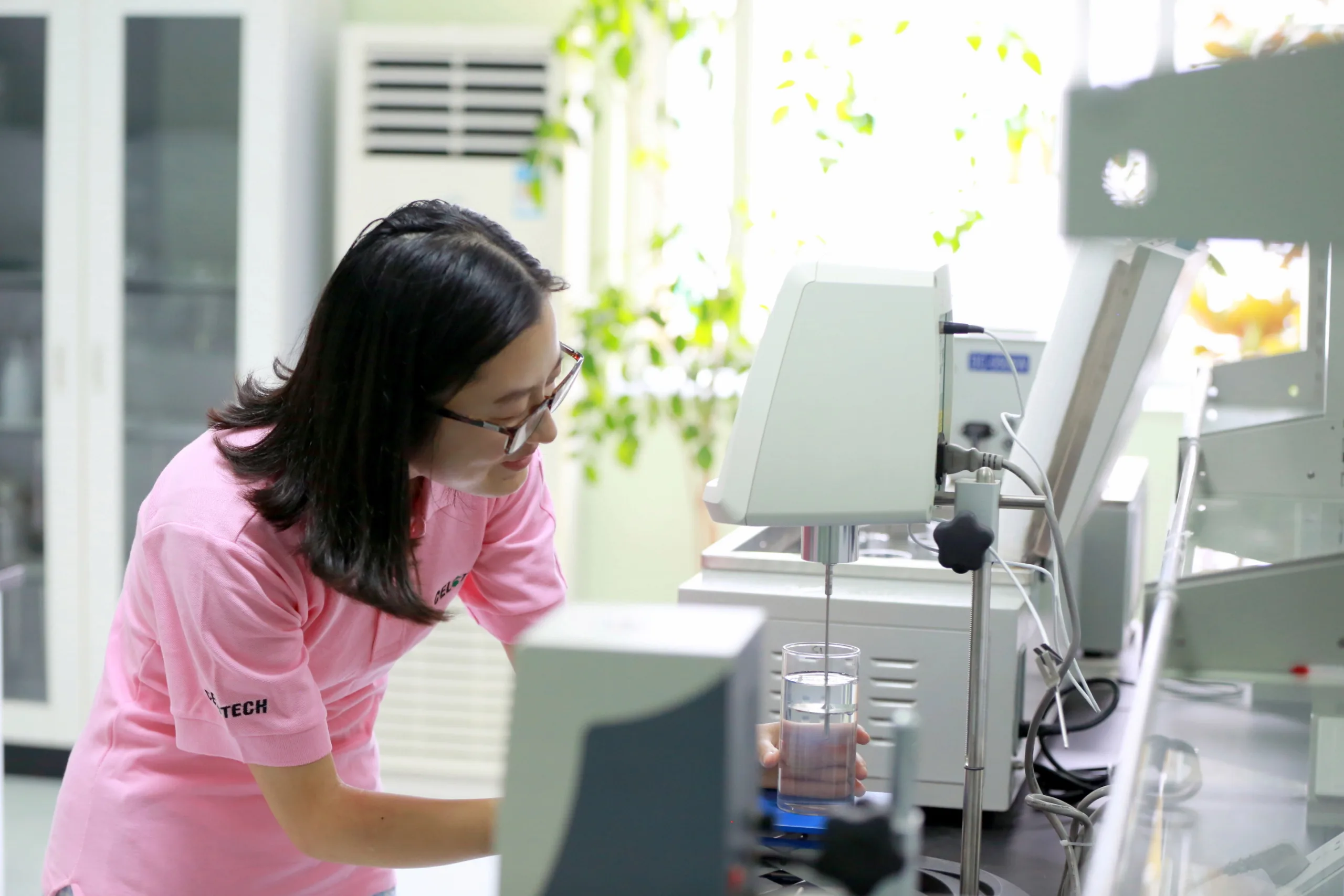
CELOTECH has developed two well established laboratories which dedicate on products development and applications research. With our more than 20 years experience in dry mix mortar industry, we are able to and also successfully organize technical seminars to offer technical training and education to our end users in different foreign countries


Related Posts

Ready to optimize your dry mix mortar formulations? Contact Celotech – your reliable HPMC manufacturer offering the best HPMC for tile adhesive and HPMC for dry mix mortar.
This article explores the main benefits of using construction grade HPMC in dry-mix mortars and tile adhesives.
Both HPMC and MHEC serve essential functions in cement-based and gypsum-based construction materials, enhancing workability, adhesion, and durability. While they share similar thickening, water retention, and adhesion-enhancing properties, their thermal stability and hydrophilicity set them apart.

Frequently Asked Questions

The extrusion molding of ceramics refers to the method of uniformly mixing ceramic powder, binder, lubricant, etc. with water to form a plastic material, and then forcefully extruding these materials through an extruder to form them through a hole mold. Specifically, extrusion molding is the process of placing plastic ceramic slurry into an extruder and applying extrusion pressure to the slurry to obtain a molded body through a nozzle with a specific shape. By replacing the nozzle, various shapes of blanks can be extruded.

Cellulose ether significantly improves the processing performance and final product quality of ceramic materials by providing thickening, water retention, dispersion, and bonding functions in ceramic extrusion molding. 
In the process of ceramic extrusion molding, cellulose ether is mainly added during the kneading and vacuum refining stages of the clay material. These steps are to ensure that the clay material has good plasticity and flowability for subsequent extrusion molding operations.
Next Application

We value your privacy

We use cookies to enhance your browsing experience, serve personalised ads or content, and analyse our traffic. By clicking "Accept All", you consent to our use of cookies.

Get a Quote