
Key Takeaways
- Begin with a clean surface. Get rid of dirt and oil. A clean area helps the mortar stick firmly.
- Pick the correct mortar mix. Make it thick like peanut butter. This helps the mortar hold tightly and stay strong.
- Watch the weather. Work when it’s not too hot or cold. Keep your project safe from extreme temperatures for good results.
Common Problems That Stop Mortar from Sticking
Dirty or Messy Surfaces
If the surface is dirty, mortar won’t stick well. Dust, grease, or dirt can weaken the bond. Clean the surface fully before adding mortar. Cleaning also makes the surface rougher, which helps it stick better. It’s like painting—you wouldn’t paint over dirt and expect it to last. The same idea applies to mortar.
Wrong Mortar Mix
The right mix is very important. If it’s too dry, it won’t stick. If it’s too wet, it can sag and lose strength. A 2022 study showed bad mixes cause 15% of building problems. Follow the instructions and check the mix before using it. A good mix should feel like peanut butter—smooth but firm enough to hold its shape.
Dry Surfaces
Dry surfaces make it hard for mortar to stick. Water helps the mortar bond better. Studies show water helps minerals stick together. Without enough water, the mortar dries too fast and becomes weak. Lightly wet the surface before applying mortar for a stronger bond.
Weather Problems
Weather can ruin your project. Hot weather dries mortar too fast, making it weak. Cold weather can freeze mortar, causing cracks. Heat speeds up drying, and cold slows setting. Work in mild weather if you can. If not, use additives or change your mix to handle extreme weather.
How to Make Mortar Stick Better
Clean the Surface Well
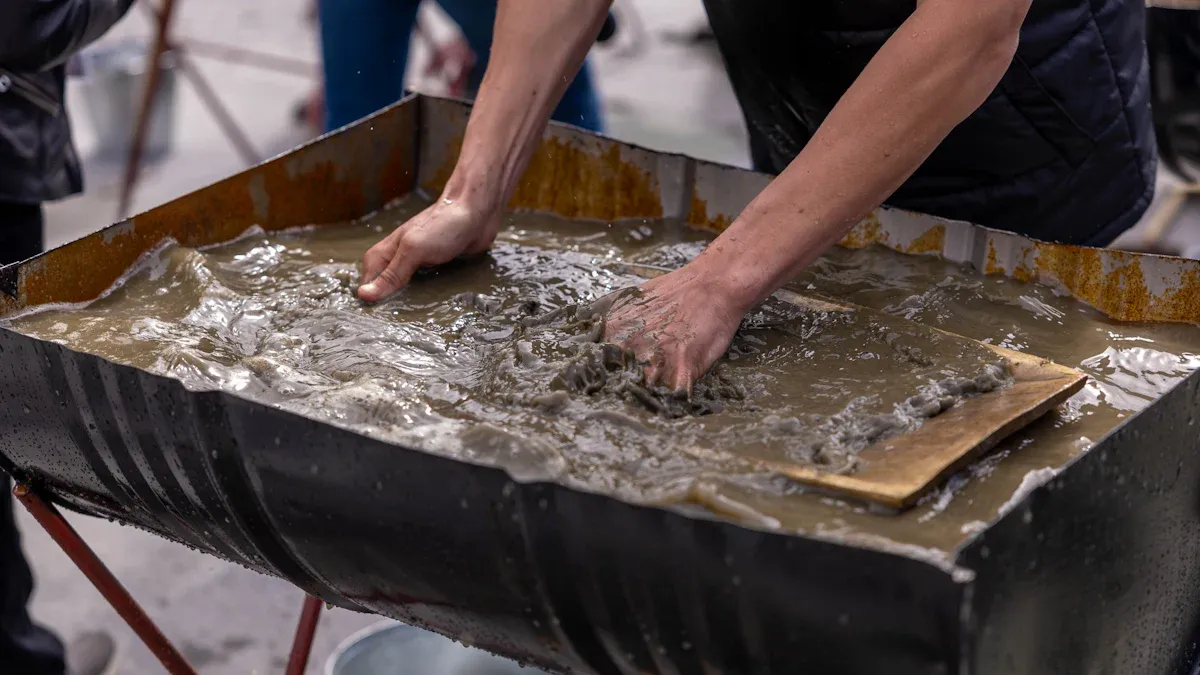
To make mortar stick, start with a clean surface. Dirt, grease, or dust can block the mortar from sticking. Use a brush or pressure washer to clean it. For tough stains, try using soap or detergent. Cleaning also makes the surface rougher, which helps the mortar grip better.
Tip: Imagine painting a dirty wall—it won’t last long. The same idea works for mortar.
Studies show cleaning the surface is key for strong adhesion. Using clean sand and cement also helps the mortar bond better.
Apply a Bonding Agent or Primer
Sometimes cleaning isn’t enough. Bonding agents or primers can help mortar stick better. They act like glue, especially on smooth surfaces like concrete or old bricks.
Choose primers with mild pH to improve adhesion. Some bonding agents have additives like 10-MDP, which make the bond stronger. These are great for tricky surfaces like zirconia.
Pro Tip: Follow the instructions on bonding agents. You don’t need much!
Get the Right Mortar Texture
The texture of mortar matters a lot. If it’s too dry, it won’t stick. If it’s too wet, it can slide off or weaken. Aim for a peanut butter-like texture—smooth but firm.
A mix of one part cement to three parts sand works well. Adding water makes it easier to use, but don’t add too much. Studies show lowering the water-to-cement ratio improves consistency. Lime-cement mixes are less smooth but offer other benefits.
| Observation | Effect on Texture | Notes |
|---|---|---|
| Lower w/c ratio | Improves consistency | Works for all mortar types |
| 1:3 mortar mix | Easier to work with | More water makes it smoother |
| Lime-cement mortars | Less smooth than cement | Fine particles reduce flow |
Add Lime or Adhesive Additives
Lime or adhesive additives can improve how mortar sticks. Lime makes mortar flexible and helps it bond deeply. It also makes mortar last longer and seal small cracks.
Adhesive additives, like HPMC, keep mortar moist longer. This gives it more time to stick. Lime mortars have been used for centuries and are still strong today.
| Benefit | Description |
|---|---|
| Flexural Bond Strength | Lime mortars hold well due to water retention. |
| Extent of Bond | Lime particles go deeper into bricks, sealing them better. |
| Durability | Lime mortars resist movement and moisture, lasting longer. |
| Compressive Strength | Lime adds strength through chemical reactions. |
| Proven Performance | Old lime mortars show they can last for decades. |
Wet the Surface Before Adding Mortar
Dry surfaces can pull water out of mortar too fast. This weakens the bond. Lightly wet the surface before applying mortar to keep it strong.
Managing moisture is important for good adhesion. Keep the surface damp but not soaked. Too much water can weaken the mortar.
Quick Tip: Use a spray bottle or damp cloth to wet the surface evenly. Avoid puddles or standing water.
By following these tips, your mortar will stick better and last longer.
Tips for Maintaining Optimal Conditions
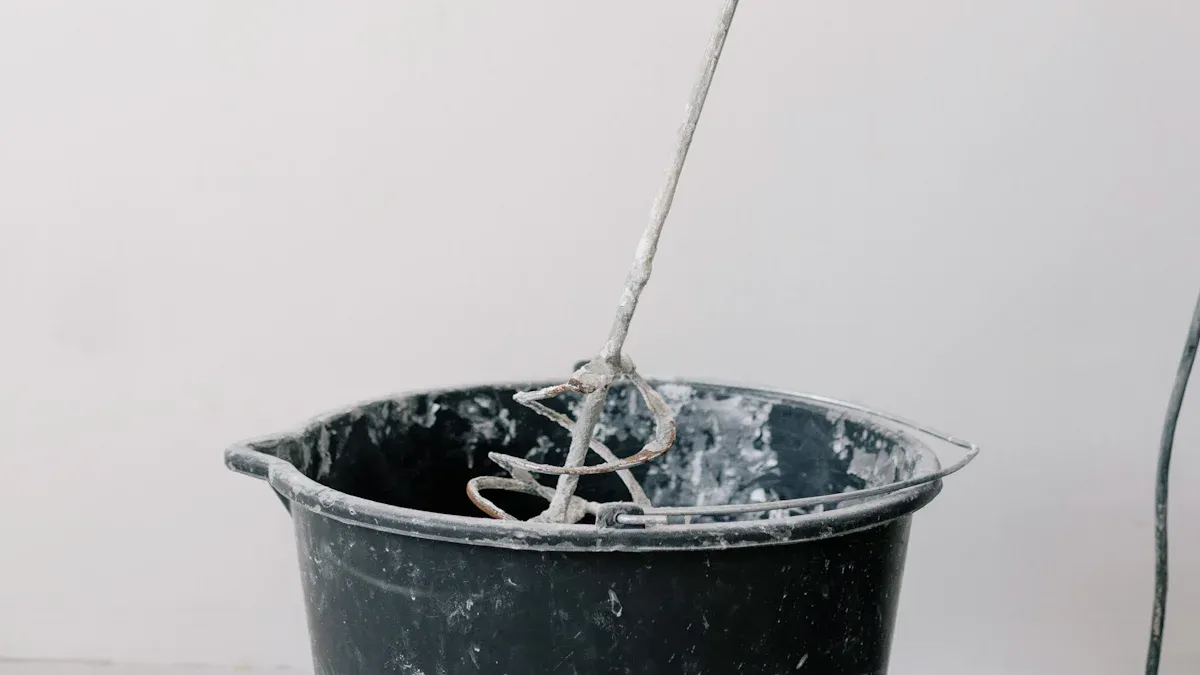
Work in Suitable Weather Conditions
Weather plays a big role in how well your mortar sticks. Extreme temperatures can mess up the bonding process. Hot weather dries the mortar too quickly, leaving it weak and crumbly. Cold weather slows down the setting process, and freezing temperatures can even cause cracks.
To get the best results, aim to work in mild weather. If that’s not possible, you can take steps to protect your project. For example:
- Use tarps or tents to shield your work area from direct sunlight or rain.
- In hot weather, keep your mortar cool by using cold water during mixing.
- In cold weather, warm the materials slightly and use additives designed for low temperatures.
Tip: Always check the weather forecast before starting your project. A little planning can save you a lot of trouble later.
Maintaining the right conditions helps the mortar bond better and prevents issues like dampness or cracking. Adhesive strength tests show that proper weather management ensures a stronger and longer-lasting bond.
Avoid Overworking the Mortar
It’s tempting to keep fiddling with the mortar to get it just right, but overworking it can do more harm than good. When you overwork mortar, fine particles and free lime can rise to the surface. This weakens the bond and can even ruin the look of your finished work.
Here’s how you can avoid overworking:
- Mix the mortar thoroughly but stop once it reaches the right consistency.
- Apply it evenly and avoid going back to smooth it out too much.
- Use the right tools for the job, like a trowel or float, to minimize unnecessary handling.
Quick Tip: Think of mortar like dough. The more you knead it, the tougher it gets—but not in a good way!
By keeping your handling to a minimum, you’ll preserve the mortar’s strength and ensure a clean, professional finish.
Allow Proper Curing Time for Strong Bonds
Curing is the final step that makes your mortar strong and durable. Without enough moisture during curing, the mortar can’t hydrate properly. This weakens the bond and makes it more likely to crack under pressure.
To ensure proper curing:
- Keep the surface damp for at least 48 hours after applying the mortar.
- Cover the area with plastic sheets or damp burlap to retain moisture.
- Avoid exposing the mortar to direct sunlight or strong winds during curing.
Note: Concrete that dries too quickly only reaches about 50% of its potential strength. Keeping it moist helps it develop fully.
Experts agree that proper curing is essential for long-lasting results. It ensures the mortar can handle external pressures and maintain its structural integrity. By giving your project the time it needs to cure, you’ll create a bond that stands the test of time.
Getting mortar to stick well begins with good preparation. Clean surfaces, proper mixing, and helpful additives are key for a strong bond. Fixing problems like dirt or bad texture stops weak sticking.
- Geopolymer mortars can be 1.8 times stronger than regular ones.
- Their shear strength is seven times higher, making them tougher.
Follow these tips to create a long-lasting project.
FAQ
Q1. How do I know if my mortar mix is correct?
Check the texture. It should feel like peanut butter—smooth but firm. If it’s too wet or dry, adjust the water or sand ratio.
Q2. Can additives really improve mortar adhesion?
Yes! Additives like lime or bonding agents enhance flexibility and grip. They also help the mortar last longer and seal cracks effectively.
Q3. What’s the best way to make mortar stick to smooth surfaces?
Use a bonding agent or primer. These act like glue, ensuring the mortar adheres well to tricky surfaces like concrete or old bricks.