Modified Methyl Cellulose

Modified Methyl Cellulose
> Back to Products
Product List
Modified Methyl Cellulose

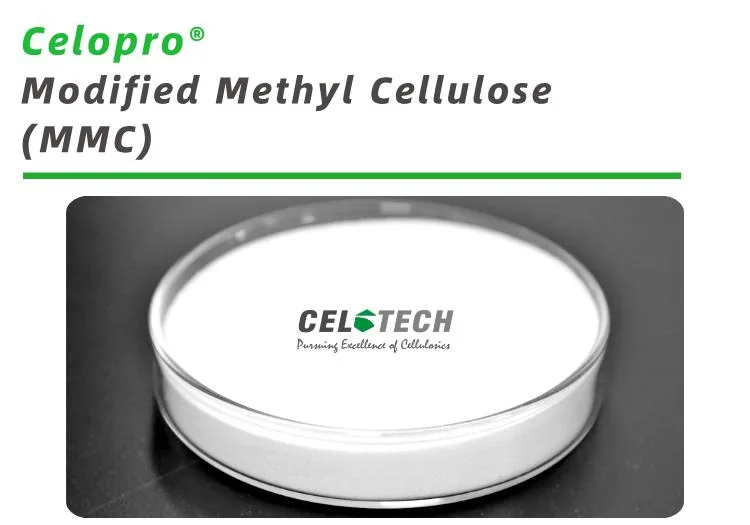
Celotech’s Modified Methylcellulose (Celopro DK, MT, CX, VX) offers specialized benefits across detergent, tile adhesive, and ceramics applications.

In detergents, it provides excellent thickening, water retention, and surface modification, enhancing cleaning efficacy.

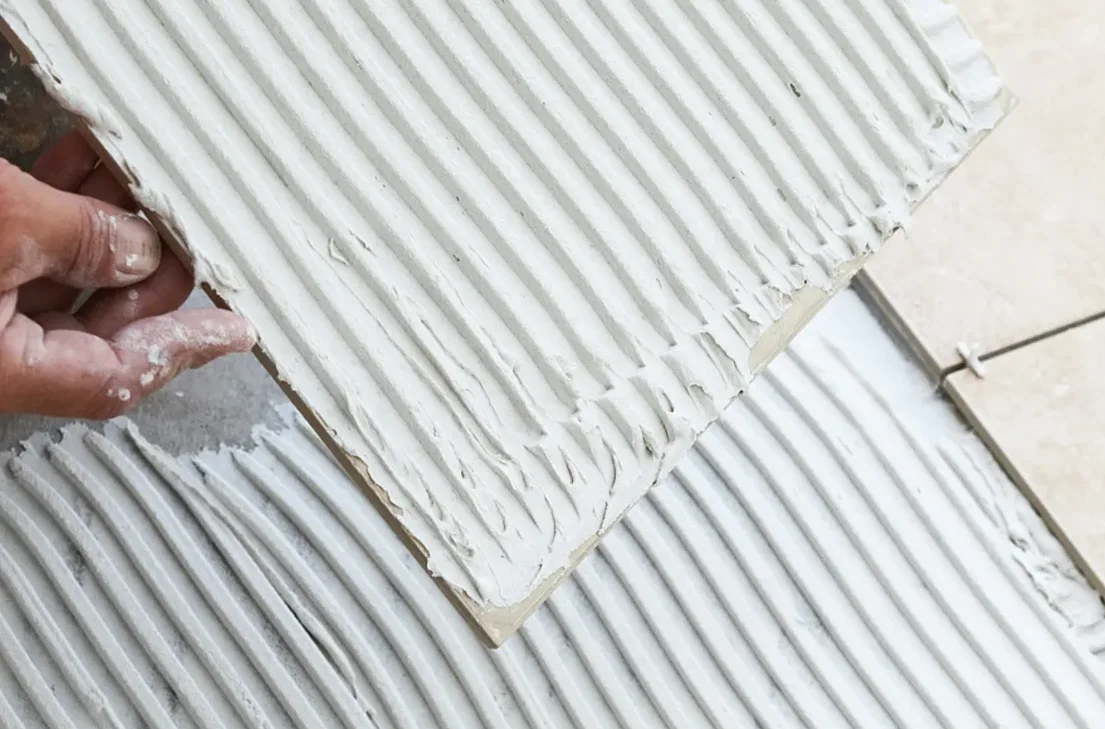
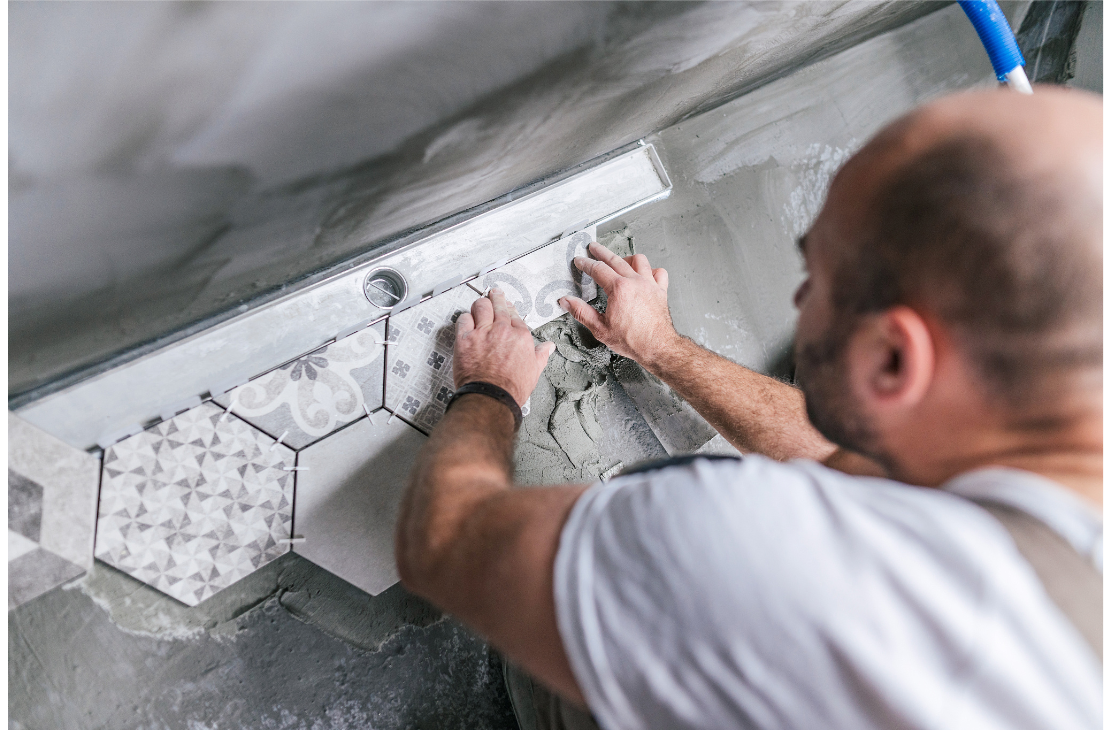
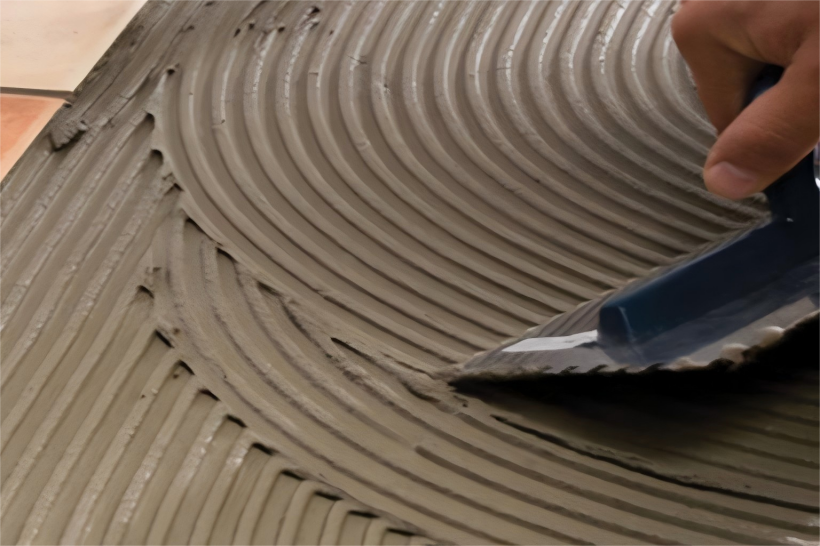
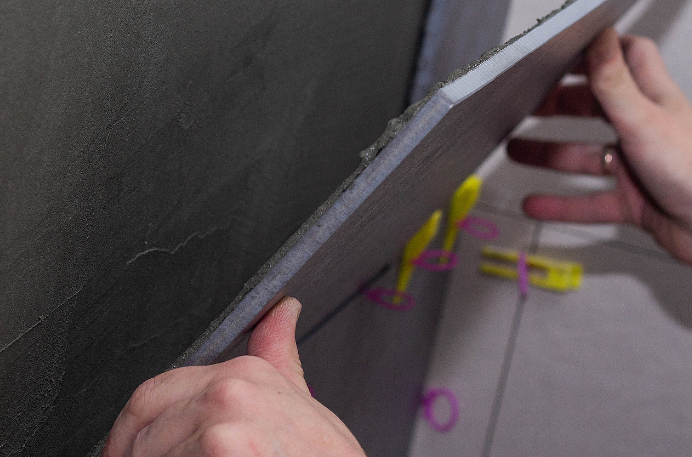
For tile adhesives, Celopro grades improve bonding strength, open time, and workability, ensuring stability under high-stress conditions.

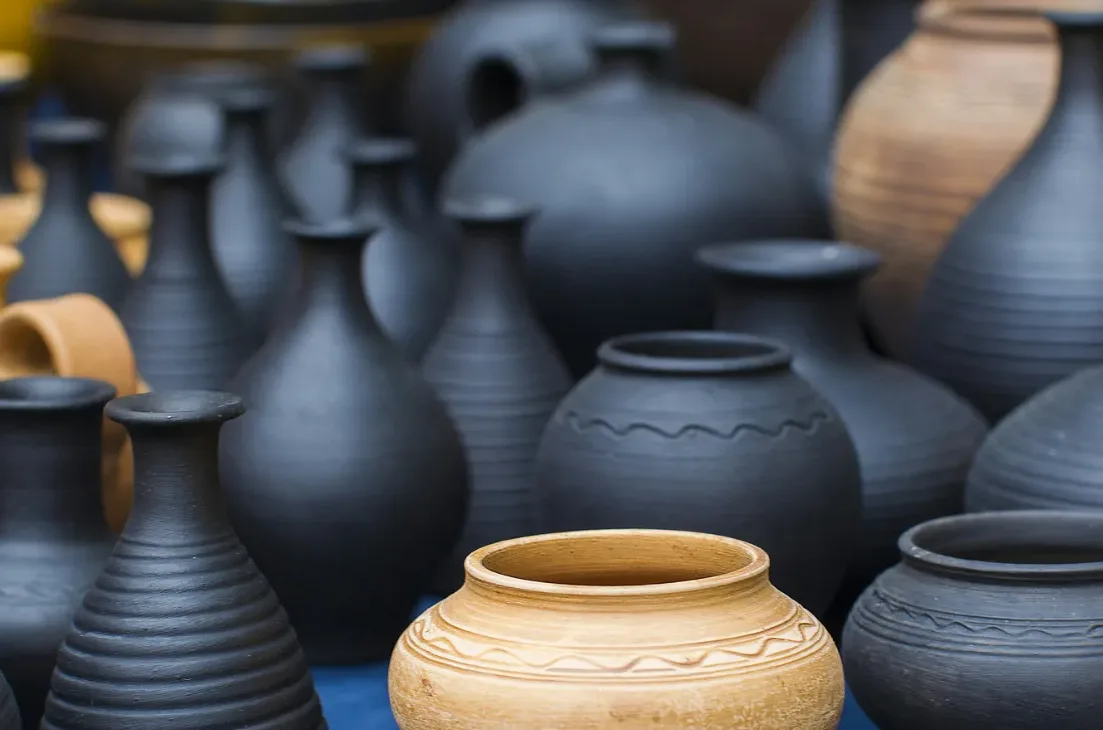
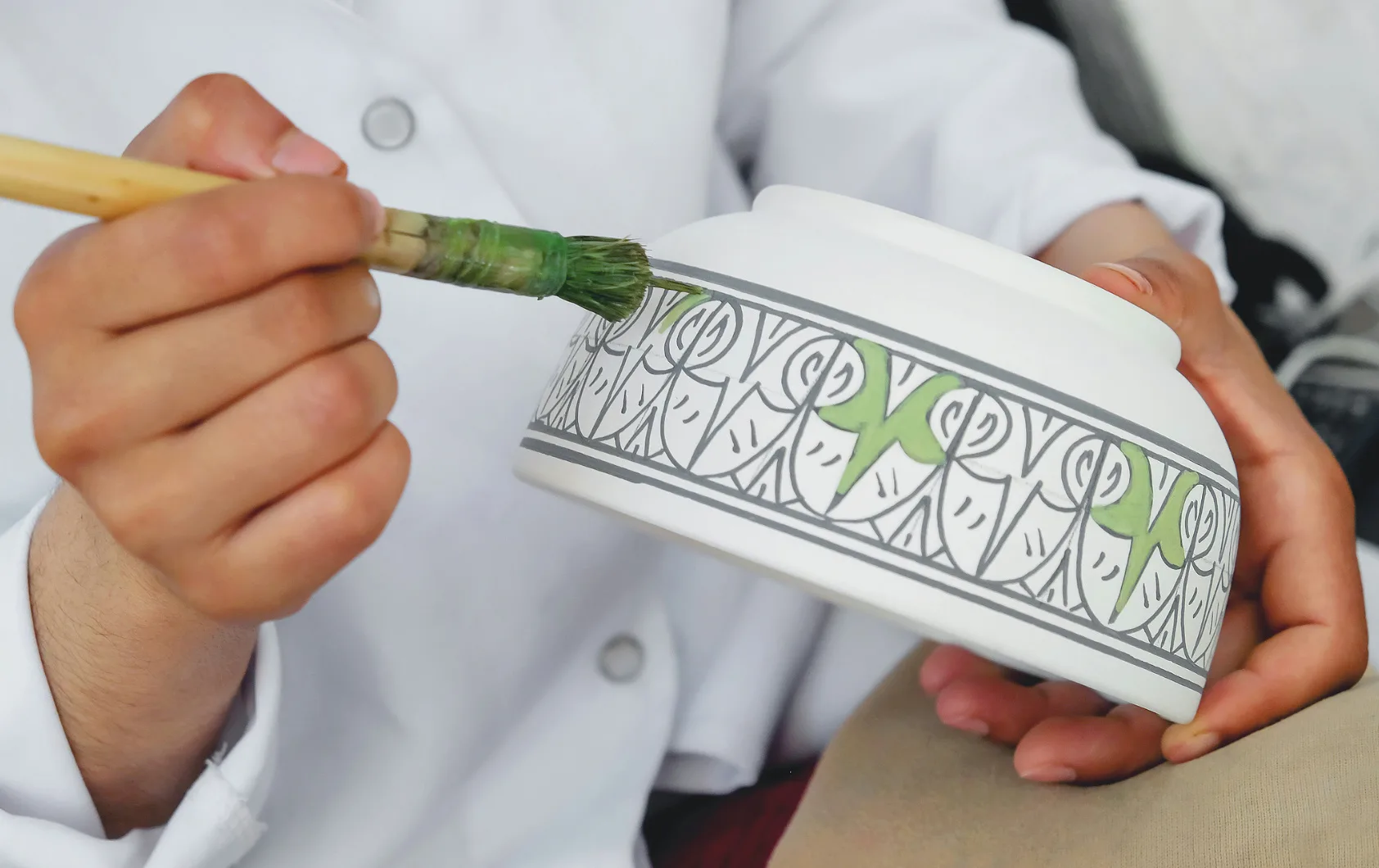
In ceramics, these modified methylcellulose variants act as binders and lubricants, optimizing molding and increasing structural integrity.

Product Details

Academic Name: Modified Methyl cellulose

CAS No.: 9004-65-3

Type: Chemical Auxiliary Agent

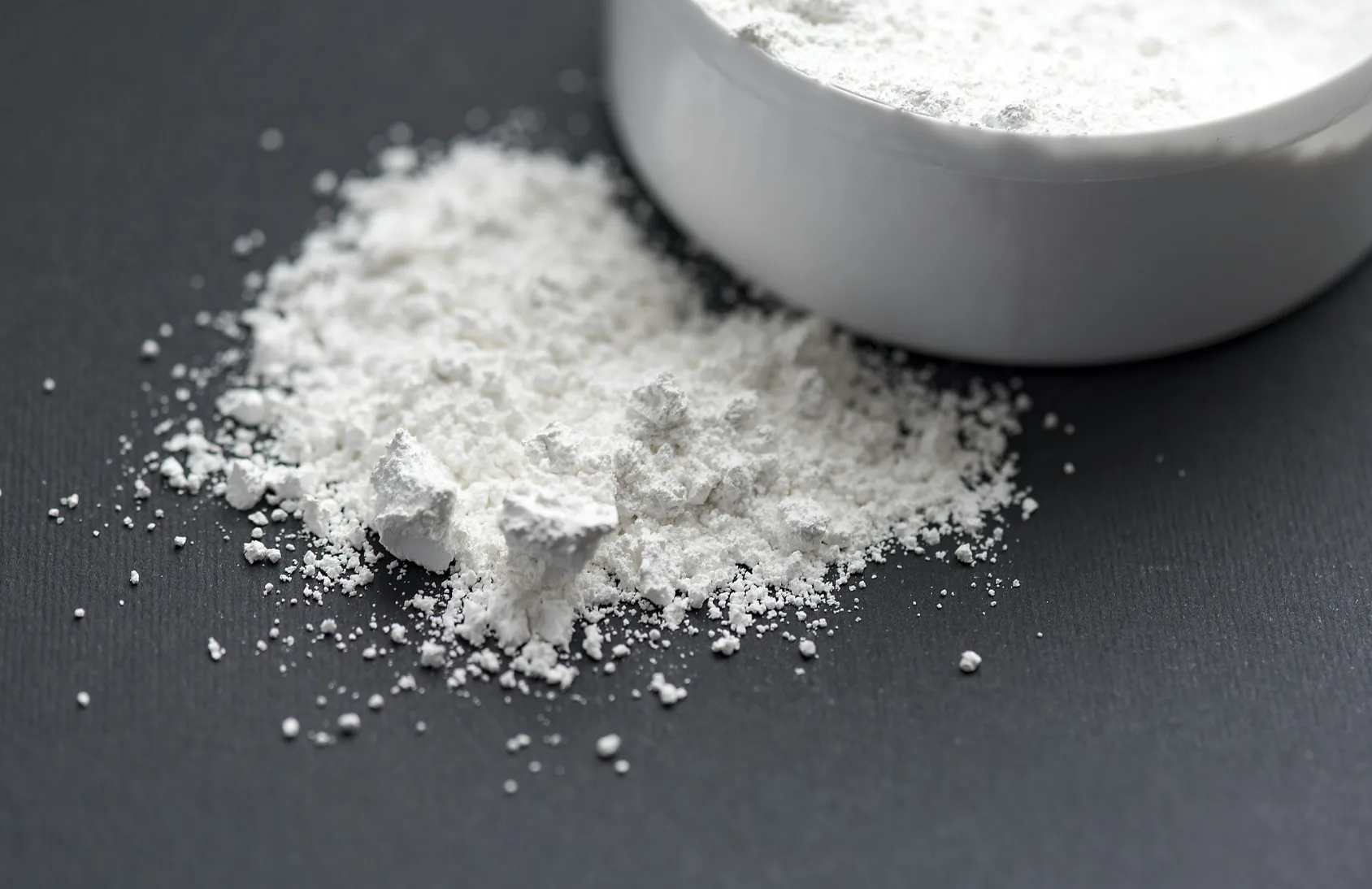
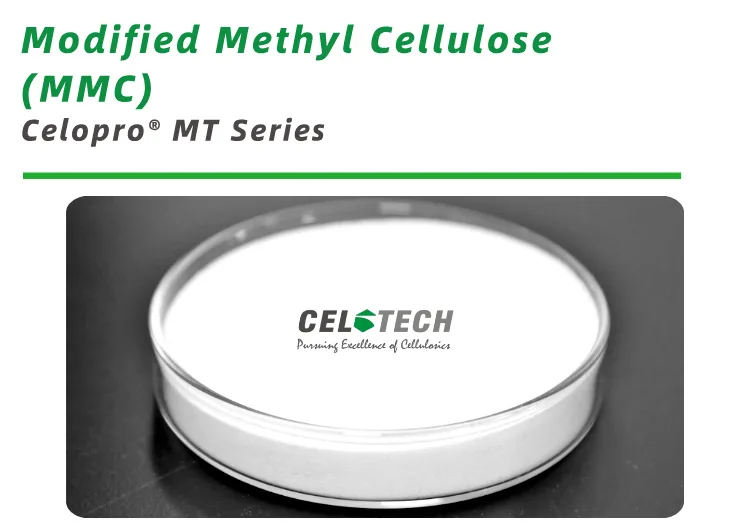
Appearance: white to off-white powder substance.

Features: water retention,thickening, lubricants

Applications: wall putty,gypsum plaster,tile adhesive

Formula Modification: Support.

HS Code: 39123900

Viscosity Range: 50-75,000 m Pa.s (Brookfield,2% water solution)

Functions of Modified HPMC

1. As a thickener and water-retention agent in detergents, enhancing performance and stability;
2. For tile adhesive, it improves bonding strength and work-ability;
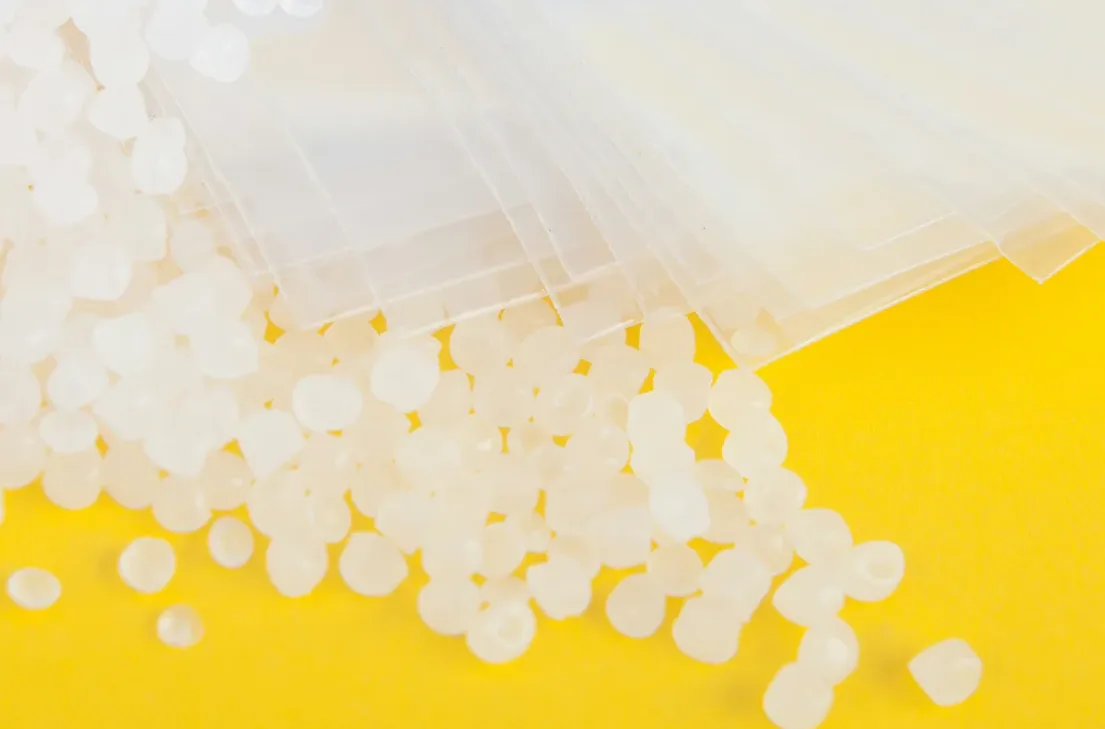
3. For plastic granulation, it functions as a lubricant and release agent, supporting smoother processing;
4. As a binder and viscosity modifier in ceramics, improving molding and overall product quality.

Modified HPMC-Celopro® Packaging

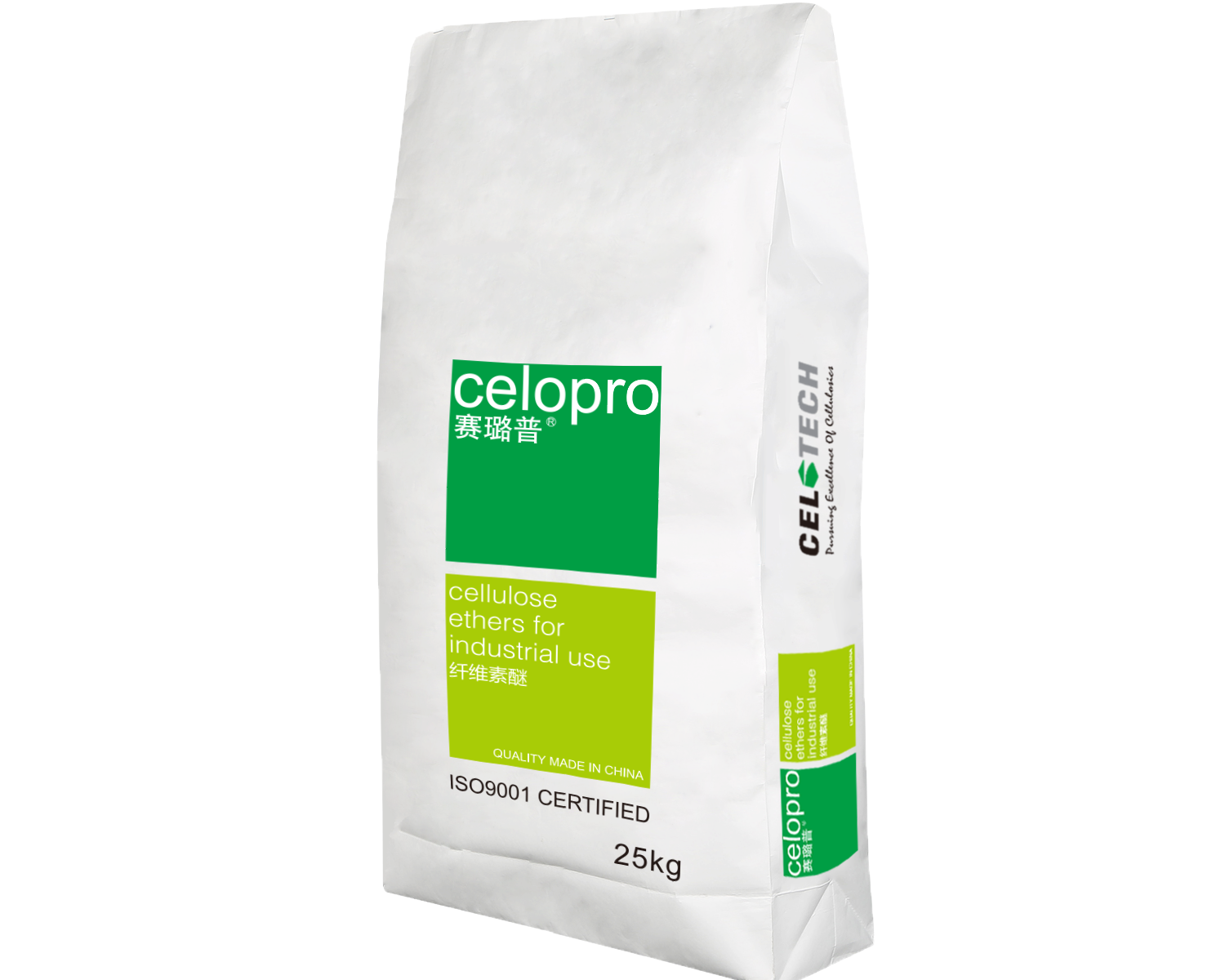
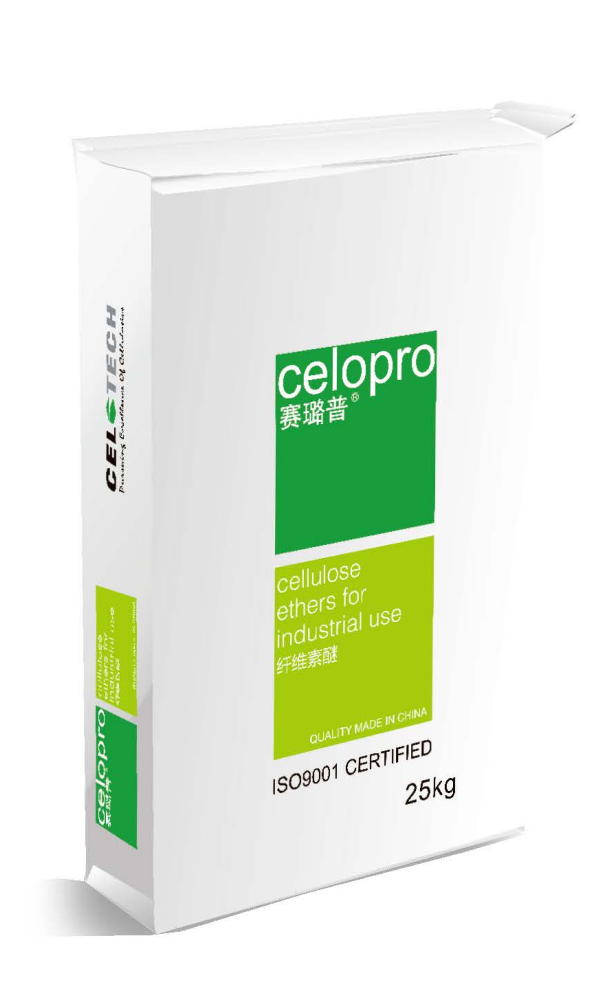
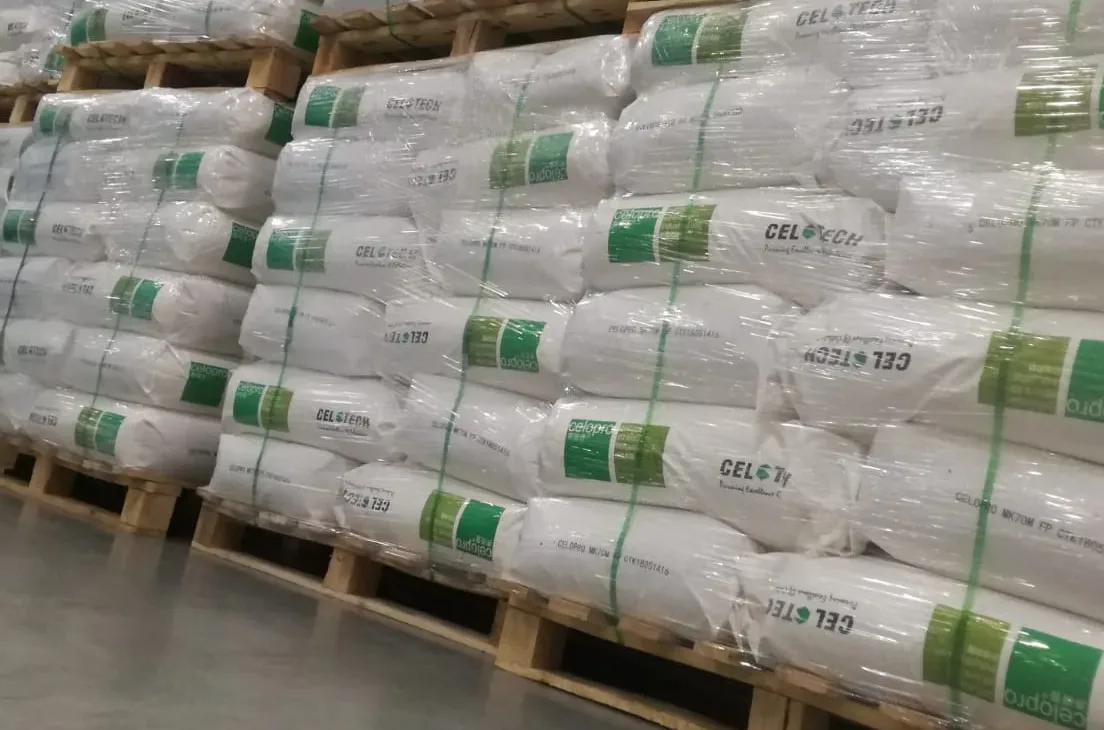
Packed in 25 kg multilayer paper sack with polyethylene intermediate layer and inner P.E. bag.It is recommended that it be kept sealed and away from moisture. Do not expose it to direct sunlight or near fire sources.

Frequently Asked Questions

Yes. In addition to its application in the ceramic manufacturing process, cellulose ether can also be used for ceramic wastewater treatment. By adding cellulose ether, suspended solids in wastewater can gradually precipitate, achieving the goal of removing impurities. Meanwhile, cellulose ether can combine with organic matter in wastewater to form a complex that is easy to precipitate, improving wastewater treatment efficiency and reducing environmental pollution.

As a binder and thickener, HPMC can improve the adhesion and coverage of glaze, making the glaze layer more uniform and smooth, thereby enhancing the aesthetics and durability of ceramic products.
Ceramic tile adhesive can be divided into two standard grades, one is C1 grade and the other is C2 grade. C1 is a common cement-based ceramic tile adhesive with high strength, resistance to heat aging, and freeze-thaw cycles up to 0.5 MPa. C2 grade can improve cement-based ceramic tile adhesive with greater strength than C1 and belongs to an enhanced adhesive.
The open time of tile adhesive refers to the time when the adhesive solution is applied to the base surface, ensuring deformation performance and bonding strength. That is to say, the open time refers to the length of time after applying the adhesive and waiting for the adhesive to solidify before accepting error adjustments. The length of the open time will directly affect the efficiency and quality of construction.
HPMC are produced from natural renewable raw materials, mainly cotton pulp or wood pulp.
Open time refers to the operating time of cement mortar. The work-ability of cement mortar is maintained well during the opening time, and after the open time is exceeded, not only the construction performance will deteriorate, but the strength will also be reduced.
Carboxymethyl cellulose (CMC)Hydroxypropyl Methylcellulose(HPMC)Hydroxy Ethyl Cellulose (HEC) 

We value your privacy

We use cookies to enhance your browsing experience, serve personalised ads or content, and analyse our traffic. By clicking "Accept All", you consent to our use of cookies.

Get a Quote