Introduction to EIFS (Exterior Insulation and Finish Systems)
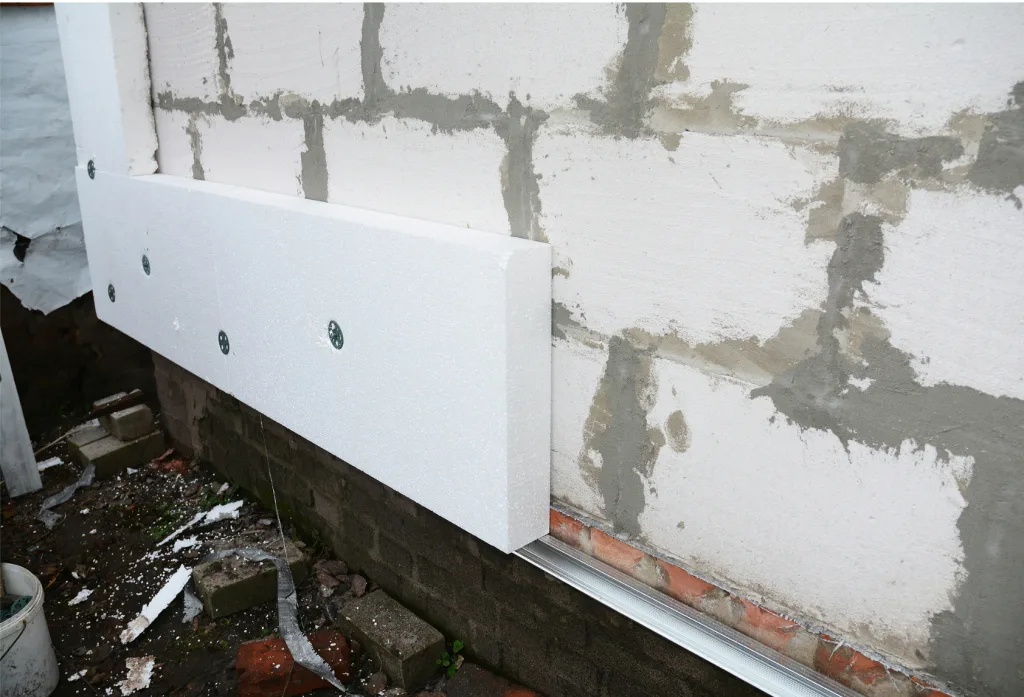
EIFS, or Exterior Insulation and Finish Systems, is an advanced solution designed to improve the energy efficiency of buildings. By enhancing insulation and thermal preservation, EIFS significantly reduces energy consumption for heating and air conditioning, contributing to sustainable building practices and compliance with modern energy conservation standards.
Importance of Building Insulation
Effective building insulation and heat preservation minimize indoor heat loss, especially through roofs and enclosure structures. Statistics reveal that 30% to 50% of building energy consumption escapes through these areas. Utilizing insulation materials in these structures can achieve energy savings of up to 80% compared to traditional methods, highlighting the crucial role of EIFS in modern construction.

Types of EIFS
EIFS systems typically fall into two categories:
- External Thermal Insulation Composite Systems with Expanded Polystyrene
- External Thermal Insulation Composite Systems with Rock Wool
Both systems share a similar structural framework, comprising the following layers:
- Substrate: Concrete or block walls
- Bonding Layer: Adhesive and/or anchor materials
- Insulation Layer: Expanded polystyrene panels or rock wool panels
- Rendering System: Base coat reinforced with fiberglass mesh
- Finish Coat: Putty and paints
System Composition for Expanded Polystyrene
| Component | Materials and Details |
|---|---|
| Substrates | Concrete or block walls |
| Bonding Layer | Adhesive and anchor materials |
| Insulation Layer | Expanded polystyrene panels |
| Rendering System | Base coat with fiberglass mesh reinforcement |
| Finish Coat | Putty and paints |
System Composition for Rock Wool
| Component | Materials and Details |
| Substrates | Concrete or block walls |
| Bonding Layer | Adhesive and anchor materials |
| Insulation Layer | Rock wool panels with surface treatment agents |
| Rendering System | Base coat with fiberglass mesh reinforcement |
| Finish Coat | Putty and paints |
Requirements for Adhesive and Base Coat
To ensure optimal performance, the adhesive and base coat must exhibit the following properties:
- High consistency and water retention
- Strong adhesion to various substrates and insulation boards
- Flexibility to withstand structural movements
- Superior anti-cracking capabilities
Recommended Formulas for Adhesive and Base Coat
Adhesive Formula
| Raw Material | Grade | Dosage (kg/t) | Function |
| Cement | P.O 42.5 | 300-400 | Provides structural strength |
| Sand | 40-140 mesh | 600-700 | Acts as an aggregate |
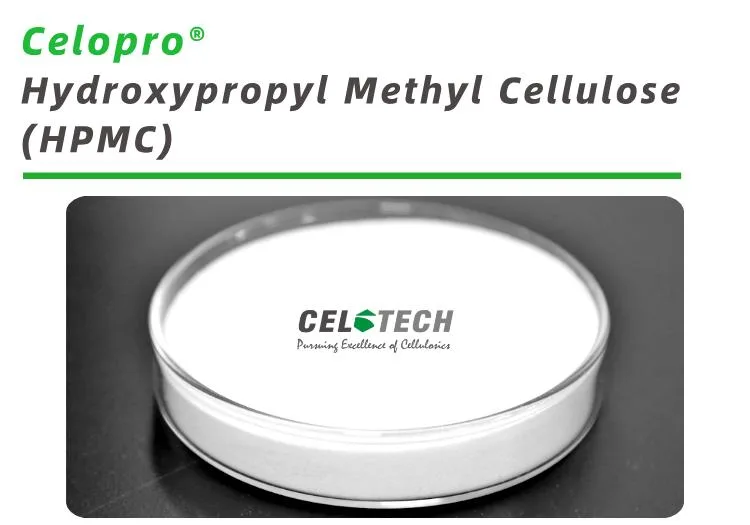
| HPMC | Celopro ME50M | 2.0-3.0 | Enhances water retention |
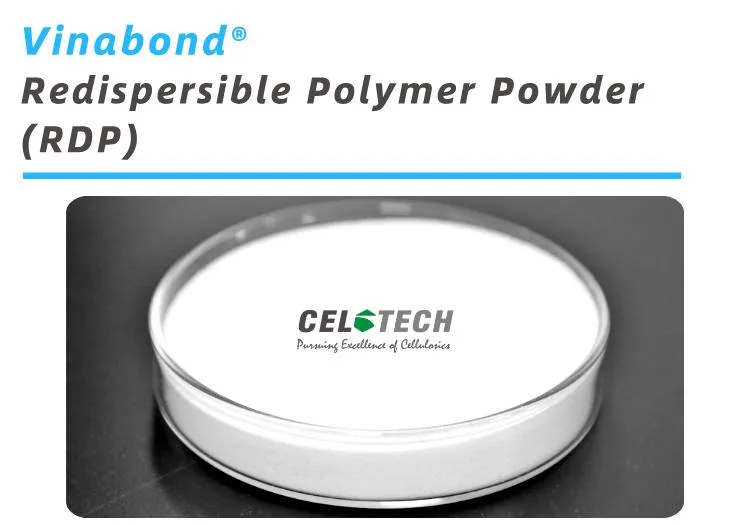
| RDP | Vinabond N511/515 | 10.0-20.0 | Improves flexibility and adhesion strength; prevents cracking |
Base Coat Formula
| Raw Material | Grade | Dosage (kg/t) | Function |
| Cement | P.O 42.5 | 350-400 | Provides structural strength |
| Sand | 40-140 mesh | 400-600 | Acts as an aggregate |
| HPMC | Celopro MK50M | 1.5-2.0 | Enhances water retention |
| RDP | Vinabond N515/516 | 10.0-20.0 | Improves adhesion strength, flexibility, and impermeability |
| PP Fiber | PP6L | 1.0-3.0 | Improves anti-cracking properties |
| Cellulose Fiber | Celofiber CF300W | 1.0-2.0 | Enhances water retention and crack resistance |
Note: Adjust the formula based on environmental conditions through experimental validation.
Common Problems and Solutions
Fire Resistance
- Problem: Organic insulation materials may be exposed, posing fire hazards.
- Solution: Use high fire-rating insulation materials such as treated rock wool panels.
Cracks and Hollowing
- Problem: Cracks and hollowing occur due to cement shrinkage or overly thick bonding layers.
- Solution: Increase the dosage of RDP (e.g., Vinabond®), reduce cement content, and adhere to standard construction guidelines.
Falling Out
- Problem: Insufficient adhesion strength may lead to insulation layers falling out.
- Solution: Apply surface treatment agents, increase RDP content, or use mechanical anchors for reinforcement.
Conclusion
EIFS is a revolutionary solution for enhancing building energy efficiency and sustainability. By choosing the appropriate system type, optimizing formulas, and adhering to best practices, builders can ensure long-lasting performance and compliance with energy conservation standards. With its numerous benefits and proven effectiveness, EIFS continues to be a preferred choice for modern construction projects.
Want to learn more about the important role hydroxypropyl methyl cellulose (HPMC) and RDP play in EIFS applications? Visit Celotech’s official product page or contact our team of experts right now.