Food Ingredients Solutions

Food Ingredients Supplier

The food industry increasingly seeks consistent and high-performance ingredients for baking, beverages, dairy, and nutritional products.

Celotech provides HPMC and HEC polymers, including Celopre MK, ME, and MF series, to support formulation development and improve product consistency:

  • Texture and viscosity control: ensures smooth and stable liquid products, sauces, and soups.
  • Stability in emulsions and suspensions: prevents separation, sedimentation, or phase separation.
  • Binder and structuring support: enhances dough handling, gel formation, and product stability.

baking products.

Celotech HPMC & HEC Solutions for Food Products

food and beverage formulations

Celotech polymers are engineered to enhance food and beverage formulations:

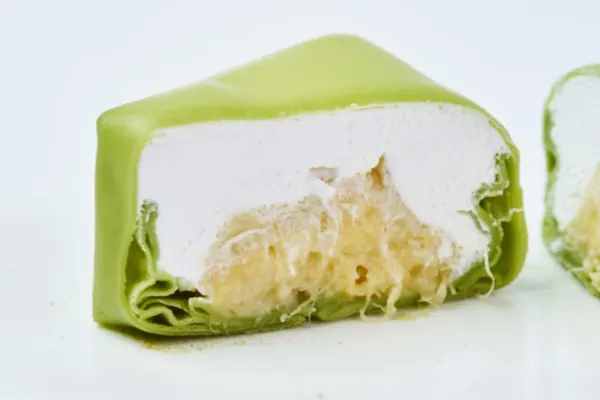
Celopre ME Series: stabilizes emulsions, improves gel formation, and supports consistent coating or layering in confections.
Celopre MK Series: thickens beverages, soups, and sauces; acts as a binder in bakery and snack products.
Celopre MF Series: improves mouthfeel and flow in liquid foods and nutritional drinks.

Formulation Solution Matrix Using

Formulation RoleRecommended ProductFunctionKey Benefit
Viscosity control for beverages and nutritional drinksCelopre MK SeriesThickener / stabilizerMaintains smooth texture and suspension stability in beverages and fortified drinks
Binder and dough structure enhancer for baked goodsCelopre MK SeriesBinder / viscosity modifierImproves dough handling, texture consistency, and product quality
Emulsion and gel stabilizer for candies and jelliesCelopre ME SeriesStabilizer / gelling agent

Food Beverage HPMC & HEC

Advantages

Advantages 

  • Reliable texture and viscosity control: consistent performance across batches
  • Broad compatibility with food ingredients: works with proteins, sugars, fats, and emulsifiers
  • Efficient polymer use: effective at recommended dosages without compromising product quality
  • Hands-on engineering support: guidance for pilot trials, recipe optimization, and troubleshooting

Food & Beverage Application Areas 

Celotech polymers are widely applied in:

  • Beverages: juices, dairy drinks, nutritional liquids for viscosity and suspension control
  • Bakery & Snacks: dough binding, structure enhancement, and textural improvement
  • Confections: stable emulsions, gel formation, and coating applications
  • Sauces, Soups & Dressings: smooth texture, suspension stability, and uniform consistency
Application Areas 

Our Service

Food Formulations

Technical Support for Food Formulations

Celotech engineers provide practical support for food formulation development:

  • Guidance on polymer grade selection for various food products
  • Assistance in viscosity, gel, and texture optimization
  • Support for stability troubleshooting in emulsions, suspensions, and dough systems
  • Pilot testing and recipe evaluation support

Global Shipping & Delivery

  • Worldwide coverage for food R&D labs and production sites
  • Flexible packaging for small-scale trials and bulk use
  • Timely dispatch to minimize wait time for sample evaluation and formulation trials
Global Shipping & Delivery Services
Sample Support

Sample Evaluation Services

  • Provision of Celopre MK, ME, and MF series for lab-scale trials
  • Support for recipe testing and performance evaluation
  • Feedback from Celotech engineers to optimize polymer use

Related Posts

Carboxymethyl cellulose (CMC) is a cornerstone of modern industrial and consumer products, offering unparalleled versatility and performance.
Sodium Carboxy Methyl Cellulose can be quickly dissolved both in cold water and hot water. Its solution has high transparency and fluidity and can form a stable network structure at different temperatures. During storage, Sodium Carboxy Methyl Cellulose is not sensitive to temperature changes, so that it can make the product structure stable and can enhance the anti-melting property of ice cream.
The cellulose ether is a polymer compound having an ether structure made of cellulose, and each glucosyl ring in the cellulose macromolecule contains three hydroxyl groups, a primary hydroxyl group on the sixth carbon atom, and a second or three carbon atoms.

Next Application

We value your privacy

We use cookies to enhance your browsing experience, serve personalised ads or content, and analyse our traffic. By clicking "Accept All", you consent to our use of cookies.

Get a Quote