1. Chemical Structure and Solubility
1.1 What is HPMC?
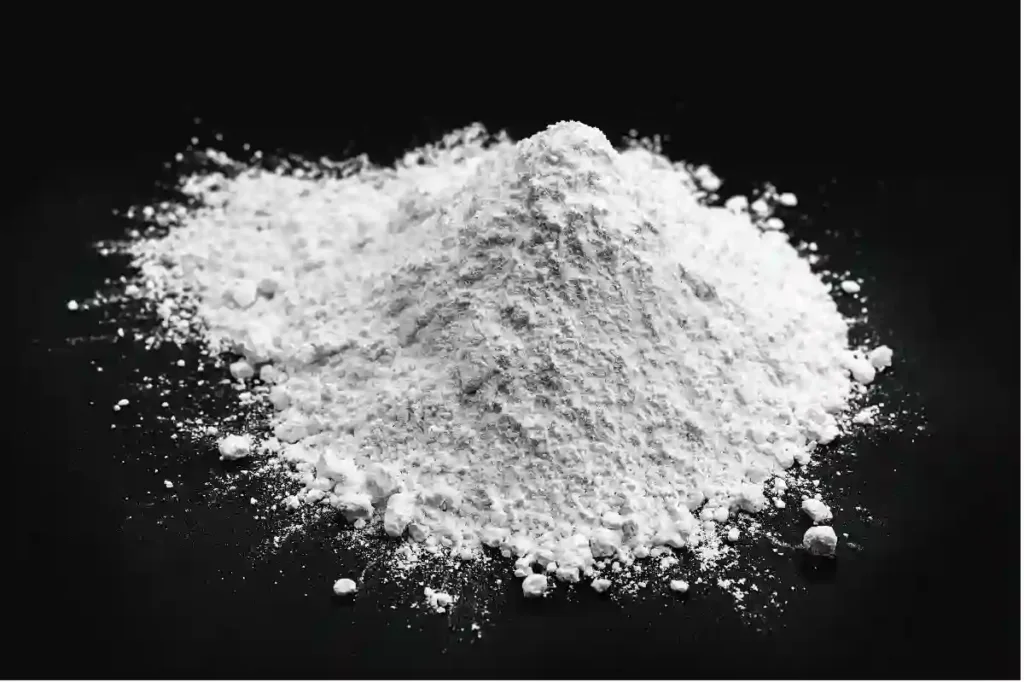
HPMC is a non-ionic cellulose mixed ether made from refined cotton via alkaline treatment and etherification using methyl chloride and propylene oxide. Its degree of substitution ranges between 1.2 and 2.0. This modification makes HPMC soluble in cold water but less so in hot water. However, the HPMC solubility in water is significantly better than that of MC, especially in cold environments.
1.2 What is MC?
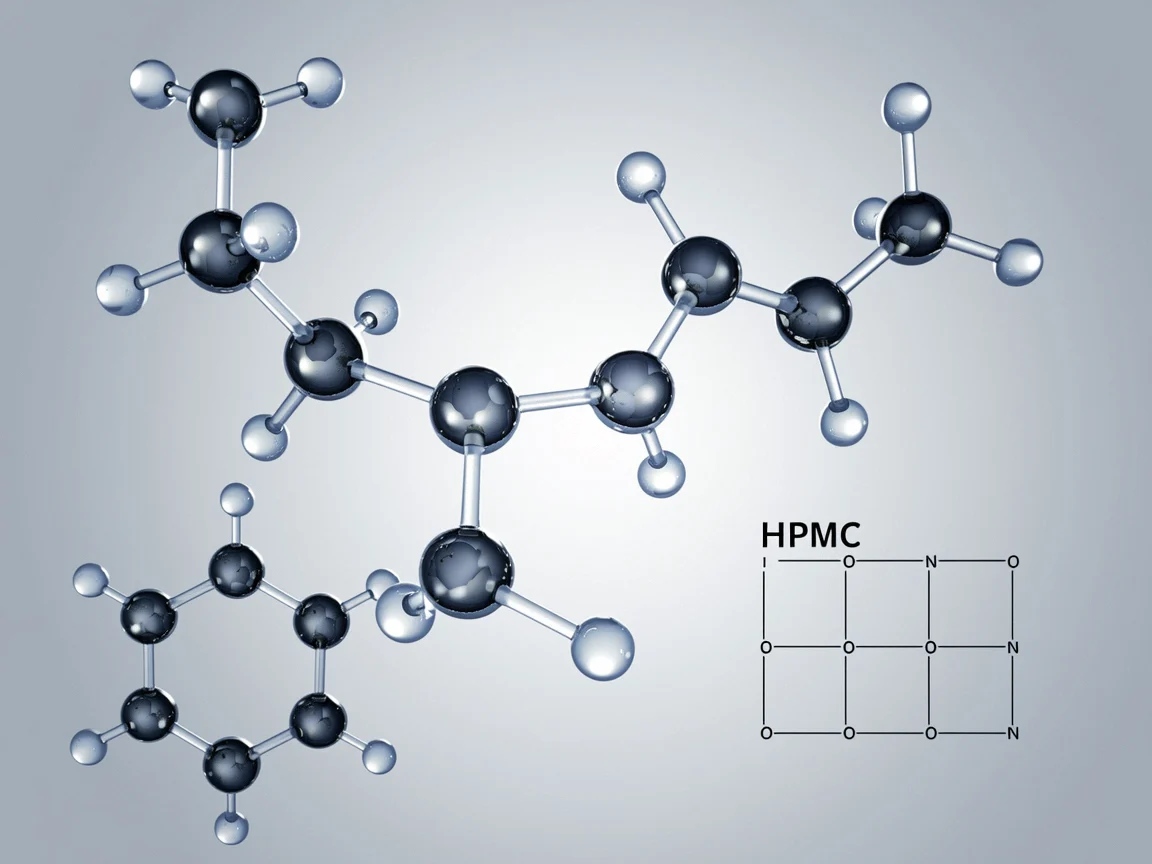
MC is methylated cellulose, less soluble in water and with a lower gelation temperature. The thermal gelation point of MC is lower than that of HPMC, which limits its performance in higher-temperature applications.
Note: These solubility characteristics are crucial for choosing the right cellulose ether in temperature-sensitive formulations.
2. Viscosity and Temperature Stability
2.1 Viscosity Performance
The viscosity of HPMC depends on molecular weight—higher molecular weight yields higher viscosity.
2.2 Thermal Influence
While viscosity generally decreases with temperature, HPMC shows better viscosity stability than MC at room temperature, making it ideal for long-term storage and consistent formulation performance.
3. pH Stability and Salt Tolerance
3.1 Alkaline and Acid Resistance
HPMC exhibits strong pH stability between pH 2 to 12. Alkaline environments, like those involving caustic soda or lime water, slightly accelerate HPMC’s dissolution and may even raise its viscosity marginally.
3.2 Salt Tolerance
HPMC also tolerates common salts well, although extremely high salt concentrations may increase solution viscosity. In contrast, MC is more sensitive to alkaline and salt-rich environments.
4. Water Retention Capability
4.1 Water Retention Comparison
HPMC has superior water-retaining properties compared to MC. At the same dosage levels, HPMC retains more water, enhancing the performance of construction materials.
4.2 Application in Tile Adhesives and Mortars
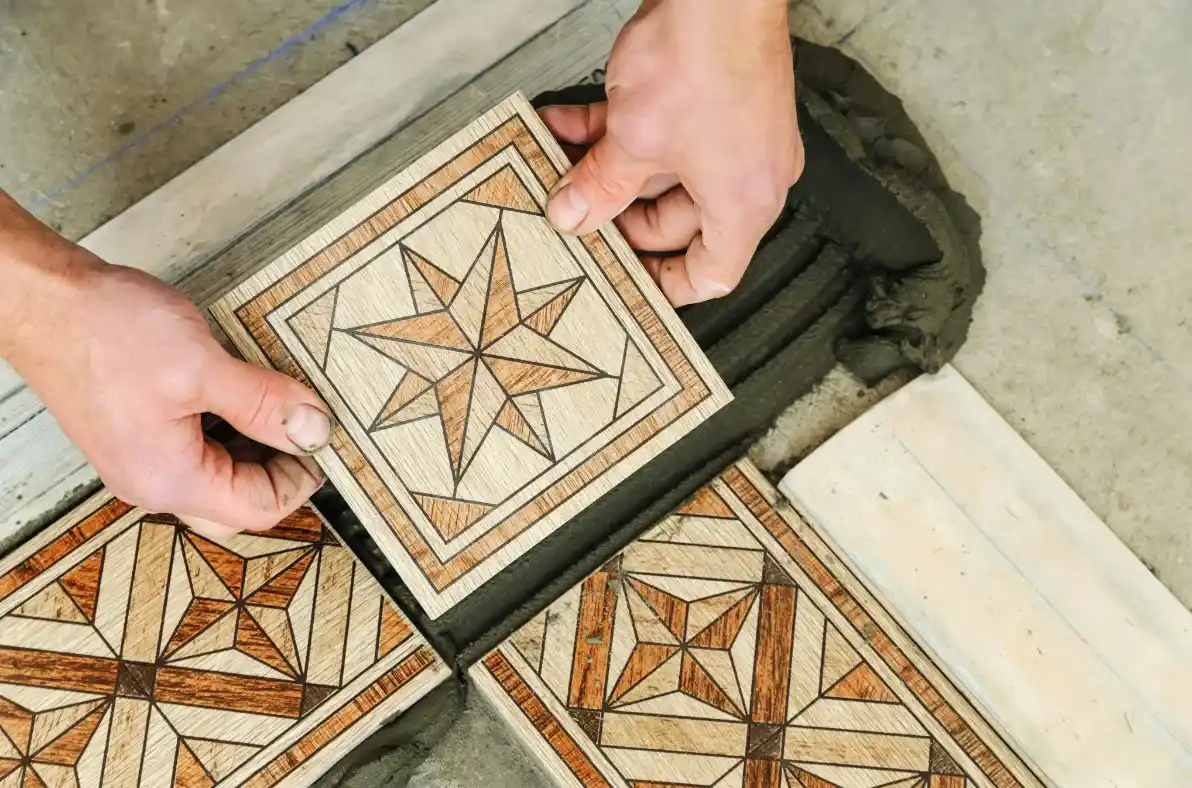
In tile adhesives specifically, HPMC for tile adhesive is critical. It improves open time, sag resistance, and adhesion strength—features essential in dry mix mortar formulations.
For dry-mix systems, HPMC in dry mix mortars plays a central role in achieving optimal workability and final product quality.
5. Compatibility with Other Polymers
HPMC is compatible with many water-soluble polymers like polyvinyl alcohol, starch ethers, and natural gums. Blending HPMC with these materials can produce higher viscosity solutions and tailor performance properties for specific needs. MC, although compatible in some cases, lacks the same formulation flexibility.
6. Adhesion and Enzyme Resistance
In construction applications, HPMC provides stronger adhesion to substrates than MC. It also resists enzymatic degradation more effectively, contributing to better long-term durability—an essential factor in humid or biological environments.

7. Industrial Applications: HPMC vs MC in Construction
While MC may be used in some traditional construction materials, HPMC is now the preferred choice for most modern dry mix mortars, tile adhesives, joint fillers, plasters, and external insulation finishing systems (EIFS). Construction-grade HPMC ensures consistent performance, enhanced water retention, and optimized working time.
If you’re looking for the best HPMC supplier or a reliable cellulose ether manufacturer, Celotech provides high-performance cellulose ethers under its Celopro® brand—trusted by construction professionals globally.
FAQ – Frequently Asked Questions
Q1: What is the main difference between HPMC and MC?
A: The primary difference lies in the chemical structure. HPMC includes hydroxypropyl groups in addition to methyl groups, which improves its solubility, water retention, and thermal gelation temperature compared to MC.
Q2: Why is HPMC preferred in tile adhesive formulations?
A: HPMC for tile adhesive is favored due to its excellent water retention, workability, open time, and bonding strength—especially important in high-performance dry mix mortars.
Q3: Is HPMC more stable than MC?
A: Yes. HPMC offers better pH, temperature, and enzyme stability than MC, making it more suitable for demanding construction environments.
Q4: Where can I buy high-quality construction-grade HPMC?
A: Celotech is a professional HPMC supplier and cellulose ether manufacturer, offering optimized formulations for a wide range of construction and industrial applications.