
Introduction
In pharmaceutical formulation, excipients play a crucial role alongside active pharmaceutical ingredients (APIs). Although excipients are considered non-active components, they are essential in ensuring drug stability, controlled release, and effective drug delivery. A well-chosen excipient ensures the safety, efficacy, and bioavailability of the final pharmaceutical product.

Key Properties of Hydroxyethyl Cellulose (HEC) in Pharmaceuticals
The high performance of pharmaceutical-grade hydroxyethyl cellulose is attributed to its unique physical and chemical characteristics, making it an ideal choice for various drug formulations.
- Excellent water solubility: HEC readily dissolves in both hot and cold water due to the presence of hydrogen bonding in its molecular structure.
- Thermal stability: It remains stable at high temperatures, with a softening range between 135 – 140°C.
- Non-ionic nature: As a non-ionic polymer, HEC is compatible with a wide range of ingredients, including salts, surfactants, and other polymers, without unwanted ionic interactions.
- Thickening and rheology modification: It provides ideal viscosity control, making it suitable for controlled drug release formulations.
- Biocompatibility and non-toxicity: HEC is biologically safe and does not react with active pharmaceutical ingredients (APIs), making it a preferred choice in drug formulations.
- Film-forming ability: It creates protective coatings on pharmaceutical tablets and capsules, ensuring moisture resistance and extended shelf life.
Applications of Hydroxyethyl Cellulose (HEC) in Pharmaceutical Industry
Hydroxyethyl Cellulose is widely used in various pharmaceutical and healthcare applications, including:
1. Oral Solid Dosage Forms
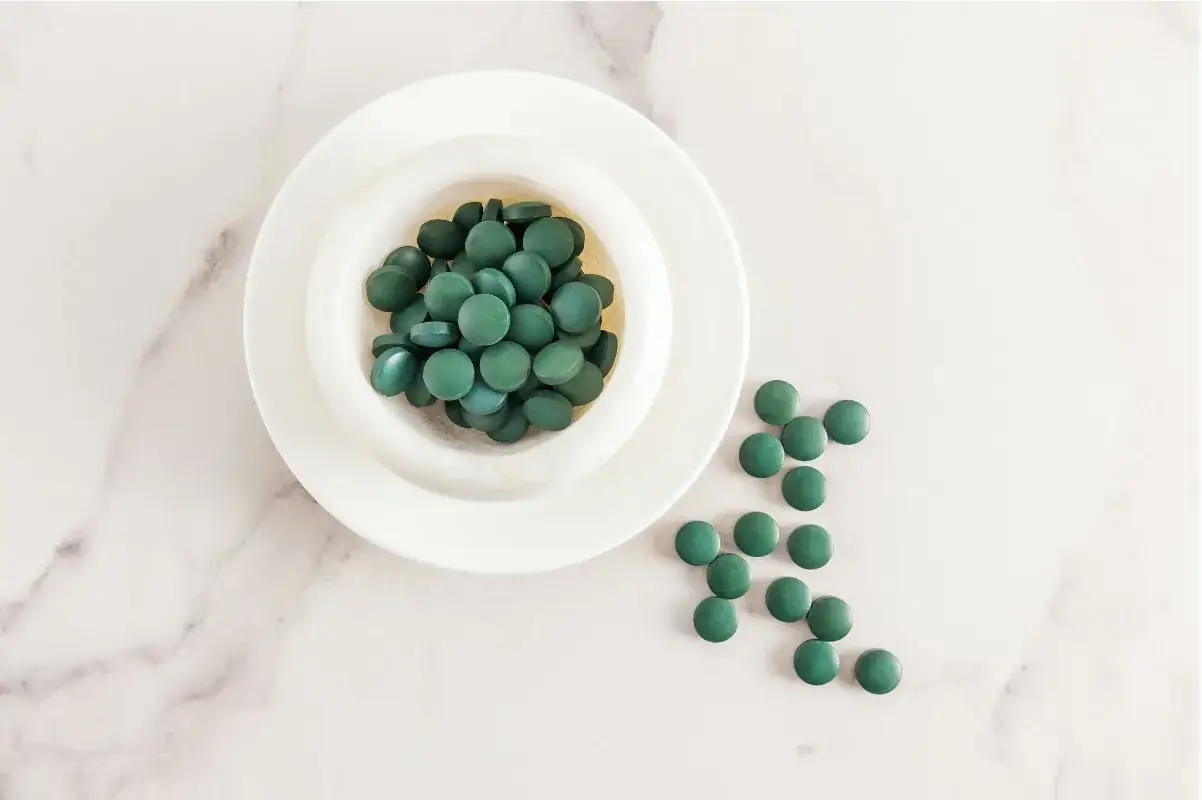
- Tablet binding and disintegration: HEC enhances tablet strength while allowing controlled disintegration for optimal drug absorption.
- Film coatings: When dissolved in an organic solvent, HEC can be combined with maleic acid styrene polymer to create a thin protective coating on tablets.
- Sustained-release formulations: It helps control the release rate of Vitamin B12 and other active ingredients in oral and injectable drugs.
2. Topical and Ophthalmic Applications
- Gels and creams: HEC provides viscosity control in pharmaceutical gels and dermatological creams, ensuring uniform application and absorption.
- Eye drops: Due to its excellent mucoadhesive properties, HEC is commonly used in ophthalmic solutions to prolong eye contact time and enhance drug efficacy.
3. Parenteral and Injectable Drug Delivery
- Intravenous drug stabilization: HEC is used in injectable solutions to enhance stability, solubility, and bioavailability of APIs, especially in long-acting drug delivery systems.
4. Veterinary Medicine
- Insecticide suspension: HEC stabilizes oily insecticides, preventing harm to beneficial insects like bees.
- Animal health formulations: It is commonly used in veterinary gels and suspensions for effective drug delivery in livestock and pet medications.
5. Food and Nutraceutical Applications
- Nutritional supplements: HEC is used in functional foods and dietary supplements for thickening and stabilization.
- Dairy and frozen products: It serves as a key additive in ice creams and refrigerated milk, preventing ice crystal formation and improving texture.
Best Practices for Using Hydroxyethyl Cellulose (HEC)
Proper preparation of HEC is essential for achieving optimal performance in pharmaceutical formulations. Follow these guidelines for correct usage:
- Hydration Process:
- Slowly disperse HEC powder into water while stirring to prevent lumping.
- Use a high-speed blender or shear mixer for uniform dispersion and hydration.
- Maintain agitation until complete dissolution to ensure a smooth and homogeneous solution.
- Avoiding Formulation Issues:
- Ensure adequate hydration before introducing additional components to prevent sludge formation.
- Optimize viscosity by selecting the appropriate molecular weight and concentration for your formulation needs.
- Storage Recommendations:
- Store HEC in a cool, dry place away from direct sunlight and moisture to maintain its stability and performance.
- Use pharmaceutical-grade HEC sourced from trusted manufacturers for consistency and compliance with global quality standards.
Partner with a Trusted Hydroxyethyl Cellulose Supplier
For high-purity hydroxyethyl cellulose tailored for pharmaceutical applications, it is essential to collaborate with an experienced supplier. Our Celotech HEC products meet the highest industry standards and are widely used in pharmaceutical excipients, personal care, and specialty chemicals.