Exterior Paints

Exterior Paints Real Challenges

In real projects, most issues with exterior paints do not appear during lab testing — they show up during application or after exposure. Under high temperature, low humidity, or windy conditions, water-based paints often suffer from shortened open time, poor leveling, and difficult application. On vertical surfaces, sagging control becomes another challenge. During storage, pigment settling or phase separation may also occur. From a formulation perspective, these problems are generally linked to:

  • Fast water evaporation under harsh conditions
  • Improper rheology design
  • Insufficient suspension and stabilization system
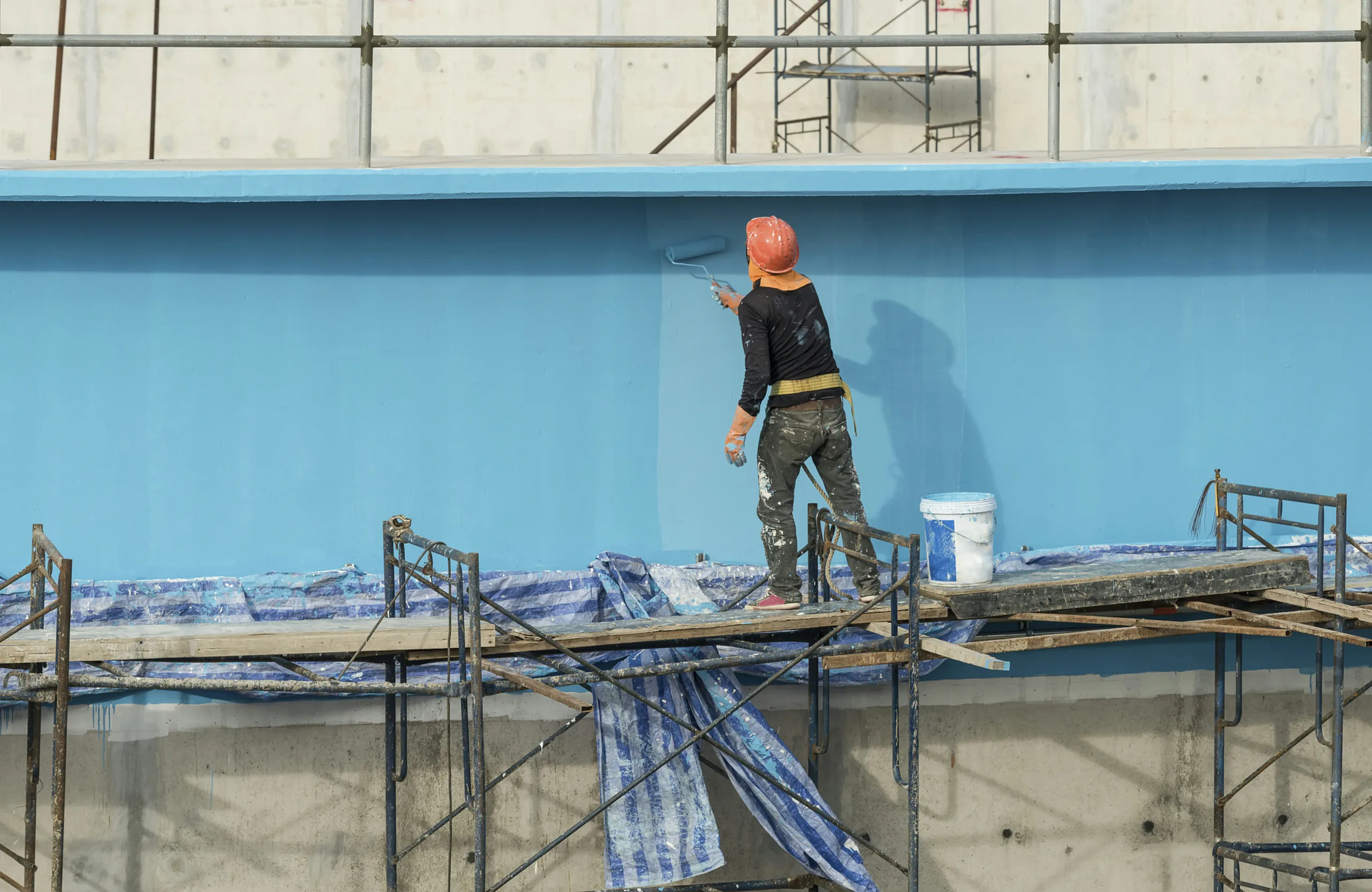
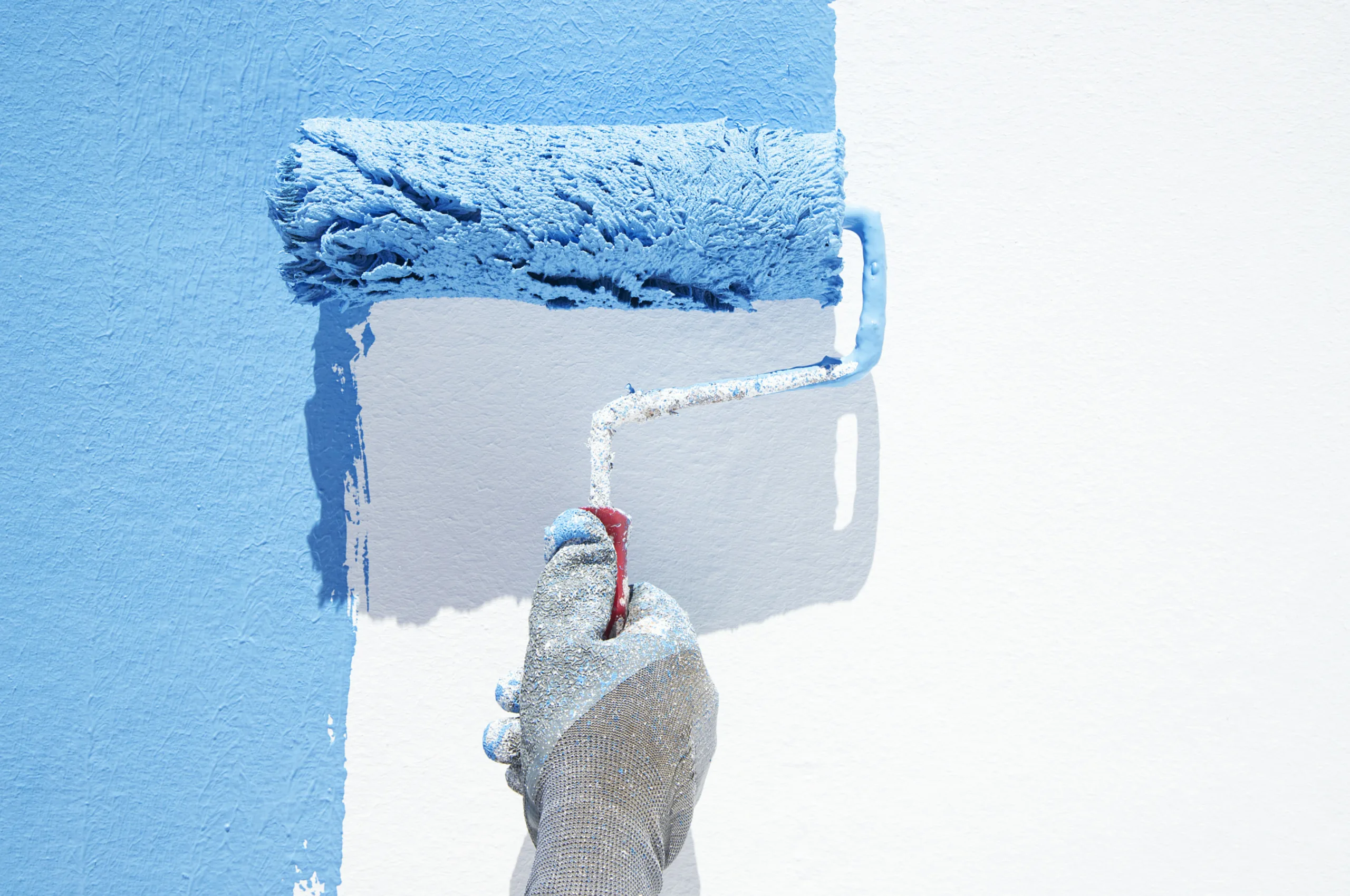
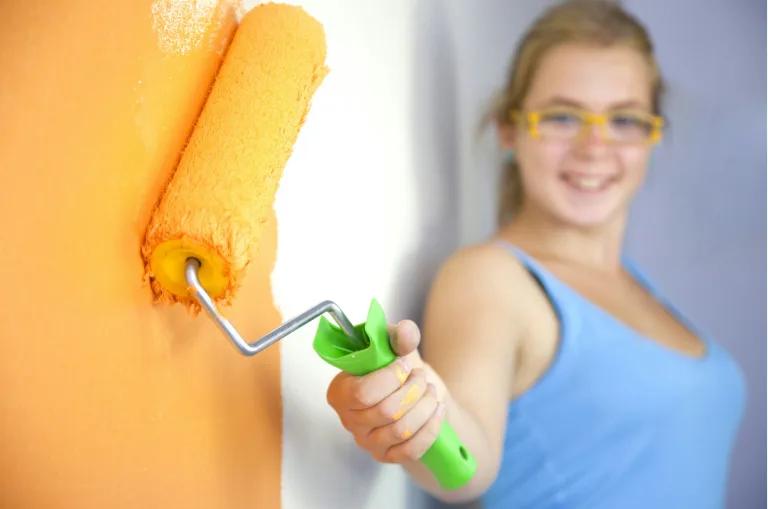
exterior painting

Celotech Solution to Exterior Paints Projects

In exterior paint formulation, performance usually comes from system balance rather than a single additive. A practical approach is to build the rheology system around cellulose derivatives:

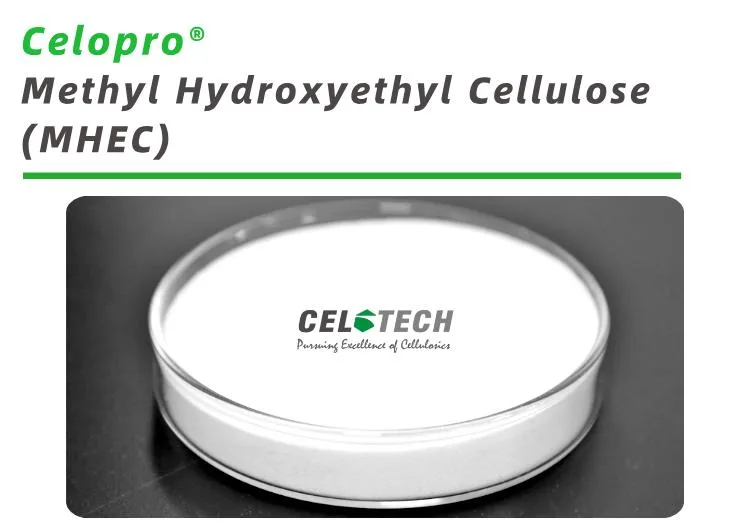
  • HEC (Hydroxyethyl Cellulose) as the primary thickener and suspension agent
  • MHEC / HPMC to adjust workability and sag resistance
  • CMC or Guar Ether for auxiliary flow and stability control
  • Cellulose Fiber (in specific systems) for structural support and crack resistance

Recommended Formulation (Reference Only)

Based on the products listed on the official page, a typical system can be structured as follows:

FunctionProduct TypeRecommended GradeRole in Exterior Paint
Primary ThickenerHECCelopro® HHB6000S / HHB30S / HHB70SCore viscosity build, suspension stability, water retention
Rheology ModifierMHECCelopro® MH55MS / MH70MSAnti-sagging, improved brush/roller workability
Auxiliary Thickener / BinderHPMCCelopro® MK70MSLCost-effective thickening, binding, texture paint support
Reinforcement AdditiveCellulose FiberCelofiber® CF200W / CF300WCrack resistance, structural integrity, adhesion
Secondary ThickenerGuar EtherGuarmer® HPG11DFilm forming + additional water retention
Flow & Stability ControlCMCCelopro® CS170 / CS180Leveling, anti-settling, formulation stability

⚠Disclaimer:Actual dosage and combination should be adjusted based on your local conditions,We always recommend you to do pilot testing before full-scale production.

  • Binder system (pure acrylic, styrene-acrylic, etc.)
  • PVC level and filler type
  • Climate conditions (humidity, temperature, UV exposure)
  • Processing method and equipment

Our Exterior Paints Formulations Advantages

Once the formulation is balanced, improvements are not theoretical—you see them immediately during application.

  1. Better Sag Control:A well-designed rheology system helps maintain stability on vertical surfaces.
  2. Improved Workability:Proper viscosity and water retention contribute to smoother application.
  3. Enhanced Suspension Stability:Cellulose ethers help reduce settling of pigments and fillers.
  4. More Consistent Film Formation:Balanced drying behavior supports uniform coating formation.

Typical Applications

In practice, this solution is widely used across as blow verticals:

  • Exterior wall paints (acrylic / latex systems)
  • Facade coatings and decorative finishes
  • Textured paints and protective coatings
  • Masonry, concrete, and cement-based substrates

Applicable to most standard water-based exterior coating systems

Recommended Products

Our Service

“Professional technical team to create high-quality cellulose ethers”

Our professional technical team consists of industry experts and senior engineers with rich production experience and expertise.
Through continuous research and development, we have launched a variety of new cellulose ether products, such as highly modified HPMC/MHEC/HEC, etc., to meet the application needs of different fields.
Our R&D team is also committed to optimizing production processes and reducing costs to provide you with more competitive product solutions.

“Celotech’s Professional Packaging and Logistics Services”

Celotech provides professional packaging services, accurately calculates the maximum loading quantity to save the logistic costs for customers and we ensure the safety and integrity of your cellulose ether products during transportation. We can also provide customized packaging solutions, providing neutral packaging or OEM packaging.

We have established long-term cooperation with many well-known logistics companies to provide the most cost-effective transportation solutions whether it is air, sea or land transportation.

“Why Choosing Celotech Free Samples?”

Quality assurance: We promise that the samples you receive are of the same quality as the bulk products.
Wide application: Whether you are an expert in the construction industry or a beginner, our cellulose ethers always meet your needs.
Professional recommendation: You only need to tell us the type you are currently using or other application directions, and we can match the most suitable cellulose ether products for you.

Related Posts

The choice between HEC and HPMC for paint formulations hinges on understanding their subtle differences.
Paint additives are used in very small quantities, but can significantly improve the properties of paints, so has become an indispensable part of paints – Hydroxyethyl Cellulose in water-based paints. The thickener is a rheological additive. It not only can thicken the paint and prevent sagging in construction, but also can give the paint excellent mechanical properties and storage stability. For the water-based paint with low viscosity, Hydroxyethyl Cellulose is a very important class of additives.
HEC is the abbreviation of hydroxyethyl cellulose. It is a white or light yellow, odorless, non-toxic fibrous or powdered solid, prepared by etherification of alkaline cellulose and ethylene oxide (or chloroethanol), and is non-ionic soluble cellulose ethers.

Frequently Asked Questions

Celopro® HEC is widely used in fields such as paints, petroleum, construction, the daily chemical industry, polymer, and textile industry.


1.Different material compositions:
Exterior wall putty generally uses polymer materials with good weather resistance to adapt to changes in outdoor environments.Interior wall putty is generally made of environmentally friendly water-based materials to ensure indoor air quality.
2.Different construction methods:
Exterior wall putty needs to consider factors such as waterproofing and moisture resistance, so strict processes and techniques need to be adopted during construction.Interior wall putty is relatively simple and has lower construction difficulty.
3.Different uses:
Exterior wall putty is mainly used for repairing and decorating outdoor walls, requiring good weather resistance and waterproofing.Interior wall putty is mainly used for repairing and decorating indoor walls, requiring good flatness and decorative properties.
4.Different color choices:
Exterior wall putty is generally white and can also be dyed as needed, while interior wall putty can choose different colors and textures according to personal preferences.
Celopro® HEC has good thermal stability (below 140℃). HEC solution can form a transparent film and has non-ionic characteristics such as no interaction with ions and good compatibility.

Next Application

We value your privacy

We use cookies to enhance your browsing experience, serve personalised ads or content, and analyse our traffic. By clicking "Accept All", you consent to our use of cookies.

Get a Quote