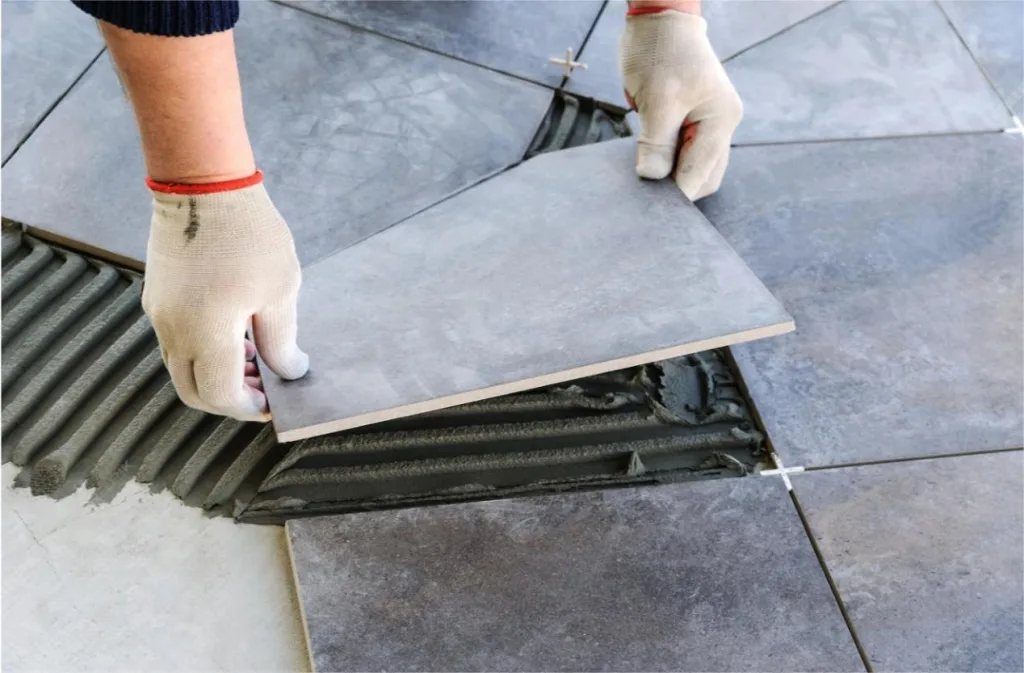
Are you struggling with tile adhesive that doesn’t stick well, dries too fast, or causes tiles to slip? The secret to high-performance tile adhesives lies in one key ingredient: cellulose ether. This article will explain how to match the right cellulose ether with your tile adhesive projects, ensuring easier application, stronger bonds, and lasting results.
What is Tile Adhesive?
Tile adhesive is a modern bonding material designed for installing tiles on various surfaces like walls, floors, and countertops. Unlike traditional cement-sand mixes, tile adhesives are engineered with additives to enhance adhesion strength, flexibility, and water resistance. They are widely used in residential and commercial projects due to their reliability and ease of use.
Think of tile adhesive as the reliable foundation that ensures your tiles stay firmly in place for years to come. It’s made from quality cement, high-grade quartz sand, and polymer adhesives as primary materials, with precisely proportioned various additives mixed thoroughly in a mixer. This precise formulation gives it several advantages over traditional methods:
- Superior bond strength that prevents tiles from loosening
- Excellent water resistance that protects against moisture damage
- Outstanding flexibility that accommodates natural structural movement
- Easy application that saves time and labor costs
The production process is carefully controlled to ensure consistent quality. As one source describes it, tile adhesive is like “instant coffee” – you just add a certain amount of water and it’s ready to use. This convenience, combined with its reliable performance, has made it the go-to choice for professional installers and DIYers alike.
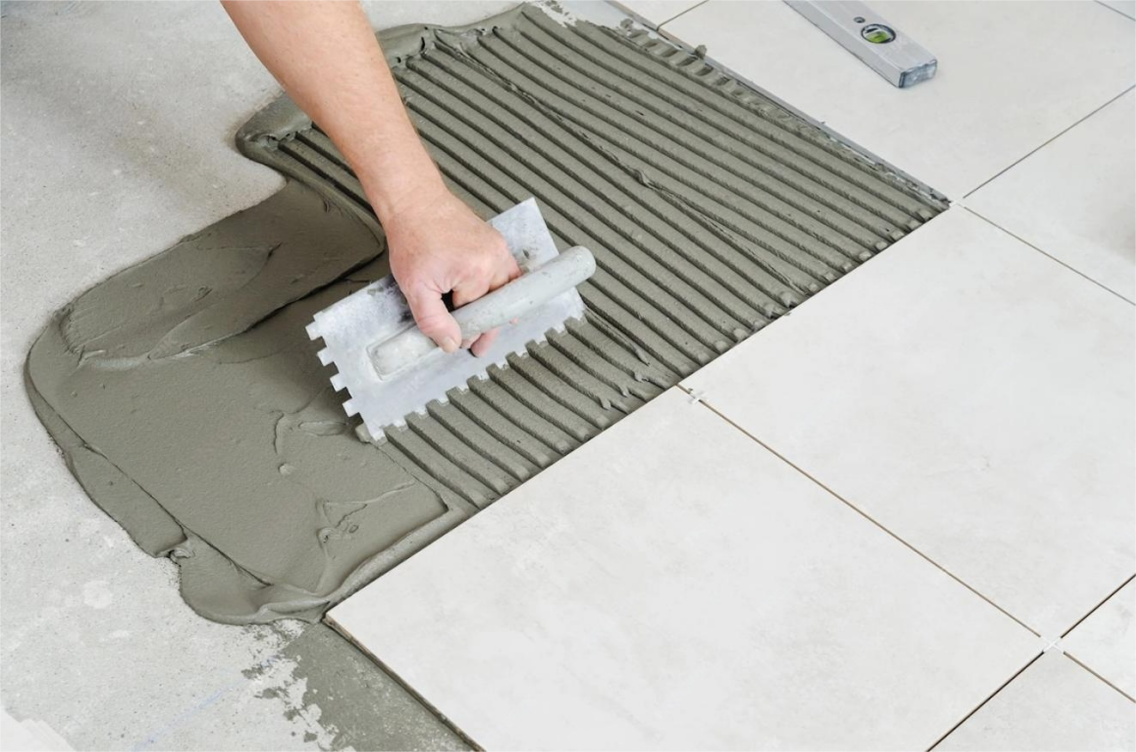
The Role of Cellulose Ether in Tile Adhesives:
So what exactly is this secret ingredient that makes modern tile adhesives so effective? Cellulose ether is a derivative of natural cellulose, obtained from cotton or wood pulp, where the hydrogen in cellulose macromolecules’ hydroxyl groups is replaced by hydrocarbon groups.This transformation creates a powerful additive that dramatically improves the performance of building materials like tile adhesive.
In simple terms, cellulose ether is what gives tile adhesive its perfect consistency and reliable performance. It’s the “smart” component that controls how the adhesive behaves during and after application. Without cellulose ether, tile adhesives would be much less effective and more difficult to work with.
Think of it as the “brain” of tile adhesive—it controls critical properties that determine performance. Here’s how it helps:
- Water Retention: Prevents rapid water loss, allowing cement to cure properly for maximum strength.
- Thickening and Stability: Improconsistency and prevents sagging on vertical surfaces.
- Workability: Ensures smooth mixing and application, reducing effort and waste.
Without cellulose ether, tile adhesives would be prone to cracking, weak bonds, and difficult handling.
Different Types of Cellulose Ether for Construction
Not all cellulose ethers are created equal. Different types offer distinct properties that make them suitable for specific applications. When it comes to tile adhesives, these are the main players you need to know about:
- HPMC (Hydroxypropyl Methyl Cellulose): A popular choice for general-purpose adhesives, offering excellent water retention and good workability.
- MHEC (Methyl Hydroxyethyl Cellulose): Known for superior lubrication and enhanced sag resistance, ideal for demanding applications.
Each type has unique characteristics, making it suitable for specific tile adhesive grades.Understanding these differences is key to selecting the right cellulose ether for your specific tile adhesive needs.
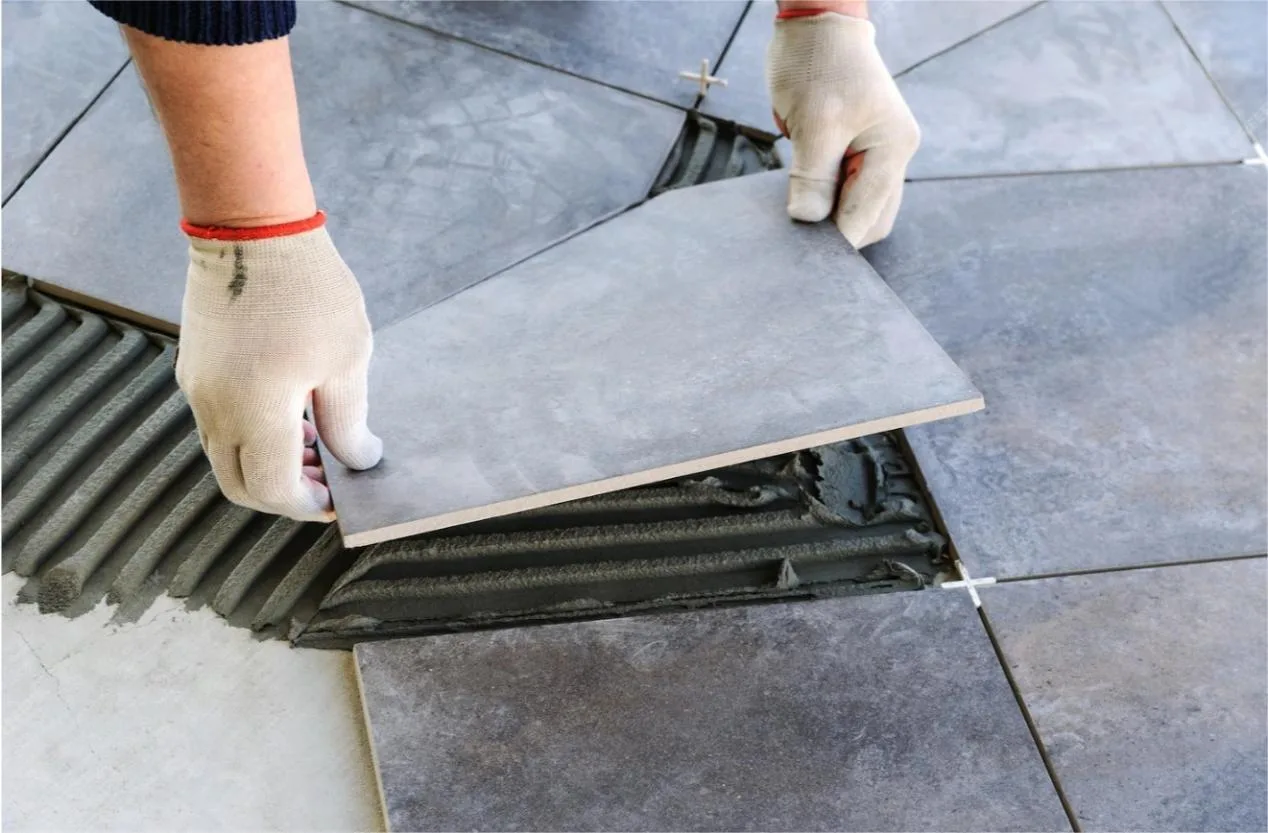
Decoding Tile Adhesive Standards: C1, C2, and Special Classes
Tile adhesives are classified into grades based on performance standards,sometimes additional letters like S, T, or E. Understanding this classification system is crucial for selecting the right product for your project. Let’s break down what these codes mean:
The most common ones are:
- C1 (Standard Adhesives): These are recommended for ceramic tiles and porcelain stoneware with high water absorption, or for installations on heated floors, outdoors, in high humidity areas, on dry walls, or on waterproofing materials. They provide a tensile adhesion strength of at least 0.5 MPa and should not be used for tiles larger than 30 x 30 cm.
- C2 (Enhanced Adhesives): Offering at least 1 MPa of tensile adhesion strength, these are recommended for all types of ceramic tiles and porcelain stoneware, as well as for almost every substrate, including existing tiles. They can bond tiles up to 60 x 60 cm in size.
Beyond these basic classifications, you might encounter additional letters indicating special properties:
- T (Anti-slip): Particularly important for large tiles that tend to slide down after application
- E (Extended Open Time): Allows for longer adjustment times, crucial in hot weather or large areas
- S (Flexible): With S1 indicating flexible and S2 indicating highly flexible adhesives.
Choosing the right classification ensures your tile installation will stand the test of time and perform well under specific conditions.
The Perfect Match: How to Pair Cellulose Ether with Tile Adhesives
Our Celotech has been dedicated for years to the research, development, and production of high-quality cellulose ether series. Our cellulose ether products are available in various grades to suit different applications. In tile adhesives, our Celopro®series performs exceptionally well, thanks to its excellent water retention, thickening properties, and workability. Below is our recommended product list:
| Product | Grade | Recommend application | Character |
|
Cellulose ether |
Celopro® MT1030 | C1TE/C2TE/C2TES1 | Low viscosity |
| Celopro® MT4016 | C1TE/C2TE/C2TES1 | Medium viscosity | |
| Celopro® MT6510 | C1TE/C2TE/C2TES1 | High viscosity | |
| Celopro® MT6108 | C1TE/C2TE | Medium viscosity | |
| Celopro® ME50M | C1TE/C2TE | Medium viscosity | |
| Celopro® ME70M | C1TE/C2TE | High viscosity | |
| Vinabond® N511 | C1TE/C2TE | Rigid(Vac/E) | |
| Vinabond® N515 | C1TE/C2TE/C2TES1 | Neutral (Vac/E) | |
| Vinabond® N516 | C2TES1 | Flexible(Vac/E) | |
| Starch ether | Stargel® ST600 | C1TE/C2TE/C2TES1 | HPS |
| Cellulose fiber | Celofiber® CF300W | C1TE/C2TE/C2TES1 | 300um,white colour |
| Early strength agent | Quickset® S98 | C1TE/C2TE/C2TES1 | Calcium formate |
| Product | Character | Grade | C1 | T | E | C2 | S1 |
|
Cellulose ether |
Low viscosity | Celopro®MT1030 | ●●● | ●● | ●●● | ●●● | ●● |
| Medium viscosity | Celopro®MT4016 | ●●● | ●●● | ●● | ●●● | ●● | |
| High viscosity | Celopro®MT6510 | ●●● | ●● | ●● | ●● | ||
| Medium viscosity | Celopro®MT6108 | ●●● | ● | ●● | ●● | ||
| Medium viscosity | Celopro®ME50M | ●●● | ● | ●● | ●●● | ●● | |
| High viscosity | Celopro®ME70M | ●●● | ● | ●● | ●● | ||
|
RDP |
Rigid(Vac/E) | Vinabond® N511 | ●● | ●● | ●● | ||
| Neutral (Vac/E) | Vinabond® N515 | ●●● | ●● | ●●● | ●● | ||
| Flexible(Vac/E) | Vinabond® N516 | ●● | ●● | ●● | ●●● | ||
| Starch ether | HPS | Stargel® ST600 | ●●● | ●● | |||
| Cellulose fiber | 300um,white colour | Celofiber® CF300W | ●● | ●● | |||
| Early strength agent | Calcium formate | Quickset® S98 | ●●● | ●● |
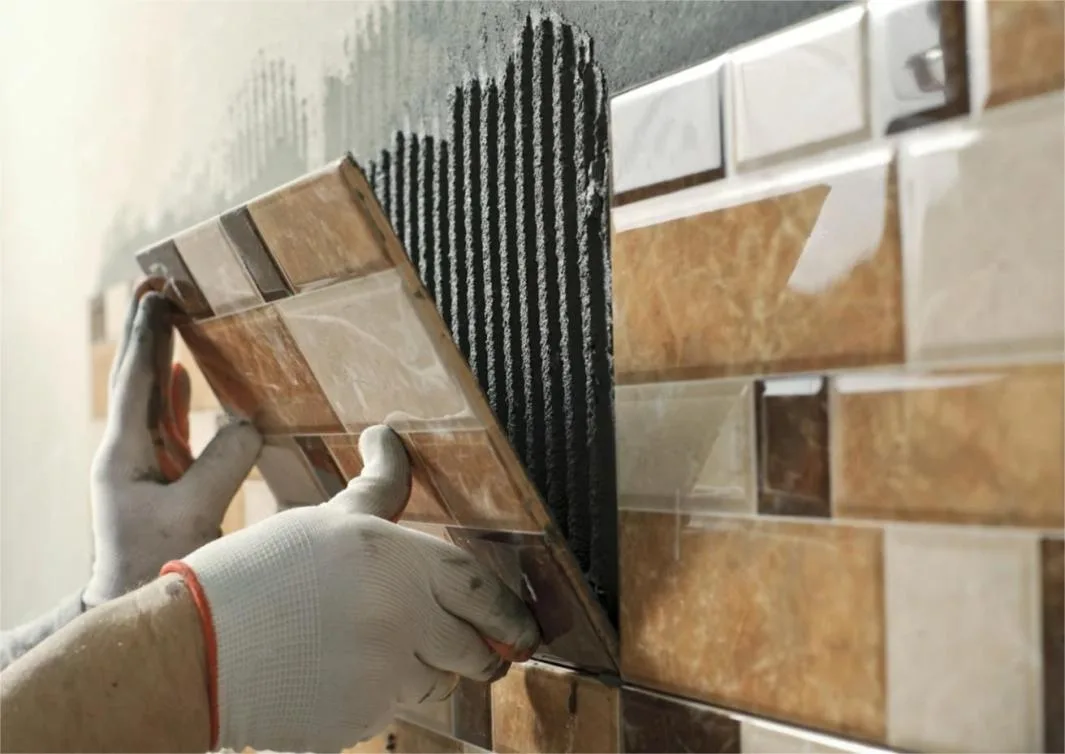
Why Cellulose Ether is a Game-Changer?
Cellulose ether offers undeniable advantages in tile adhesive formulations:
- Enhanced Durability: Improves bond strength and resistance to environmental factors.
- Ease of Use: Simplifies mixing and application, saving time and labor costs.
- Eco-Friendly Option: Derived from renewable resources, it supports sustainable construction practices.
Conclusion
The future of tile adhesive technology is intrinsically linked to innovations in cellulose ether, which continues to serve as the cornerstone of high-performance tile installation systems. As global construction standards evolve and architectural designs grow more sophisticated, cellulose ether will play an increasingly vital role in meeting industry demands for reliability, versatility, and enhanced performance.
Looking ahead, this versatile additive is not merely a component of tile adhesive formulations—it is essential to their ongoing evolution and long-term success. As building standards tighten and design requirements become more ambitious, cellulose ether will remain at the forefront of adhesive innovation, enabling durable, aesthetically pleasing installations that stand the test of time.
Contact us to discover how our Cellulose ether can optimize your Tile Adhesive.
Do you want to personally experience the effects of Cellulose ether? Welcome to request free samples! We are always ready to provide you with the best product solutions!