
Introduction
Cellulose fiber is a versatile and widely used material in industries ranging from construction to packaging and textiles. As sustainability becomes a global imperative, choosing the right type of fiber is more critical than ever. This article presents a comprehensive cellulose fiber comparison between native cellulose fiber and recycled cellulose fiber. We will explore the difference between native and recycled cellulose fiber in terms of raw materials, performance, applications, and cost-effectiveness, and discuss how each type contributes to sustainable cellulose fiber solutions.
I. Raw Material Sources: Origins Define Purpose
Native Cellulose Fiber
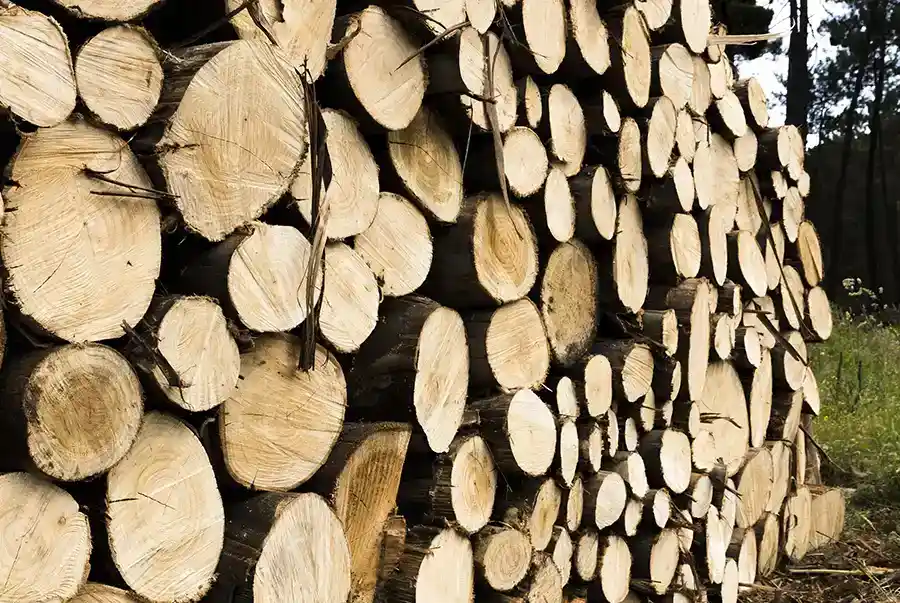
Sourced directly from fast-growing trees such as eucalyptus and pine, maintains its natural molecular structure. These fibers are extracted through mechanical or chemical pulping methods and are known for their purity, high strength, and consistency. The Celofiber CFX and CFW series utilize wood pulp derived from sustainably managed forests, aligning with the principles of eco-responsibility.
Recycled Cellulose Fiber
Recycled cellulose fiber is created from post-consumer and industrial waste like newspapers, cartons, and agricultural by-products. The material undergoes a thorough process including sorting, deinking, bleaching, and refinement. While slightly less pure, recycled cellulose fibers significantly reduce environmental impact and serve as cost-effective cellulose fiber alternatives for many industries.
II. Performance Characteristics: Engineering for Purpose
| Property | Native Cellulose Fiber | Recycled Cellulose Fiber |
|---|---|---|
| Strength | High-strength cellulose fiber for concrete and mortar | Moderate, with optimized flexibility |
| Moisture Absorption | Excellent | Good |
| Bonding and Insulation | Adequate | Excellent for eco-friendly cellulose fiber insulation |
| Biodegradability & Sustainability | Yes | Yes |
Native cellulose fiber provides high tensile strength and crack resistance, making it ideal as a cellulose fiber for mortar reinforcement and other structural applications. These properties are especially valuable in demanding environments like road and bridge construction.
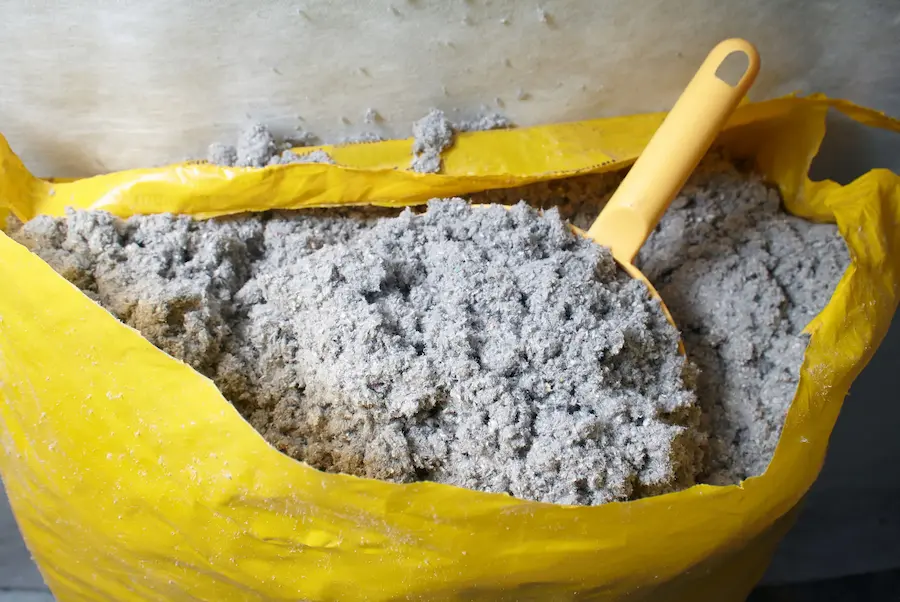
Recycled cellulose fiber, while softer, offers superior bonding and is widely used in eco-friendly cellulose fiber insulation, soundproofing panels, and daily-use paper products. Celofiber® CF, Celofiber® CG series demonstrates a balanced performance, maintaining fiber softness while improving strength through advanced processing.
III. Applications: Matching Fiber to Function
3.1 Applications of Native Cellulose Fiber in Construction and Industry
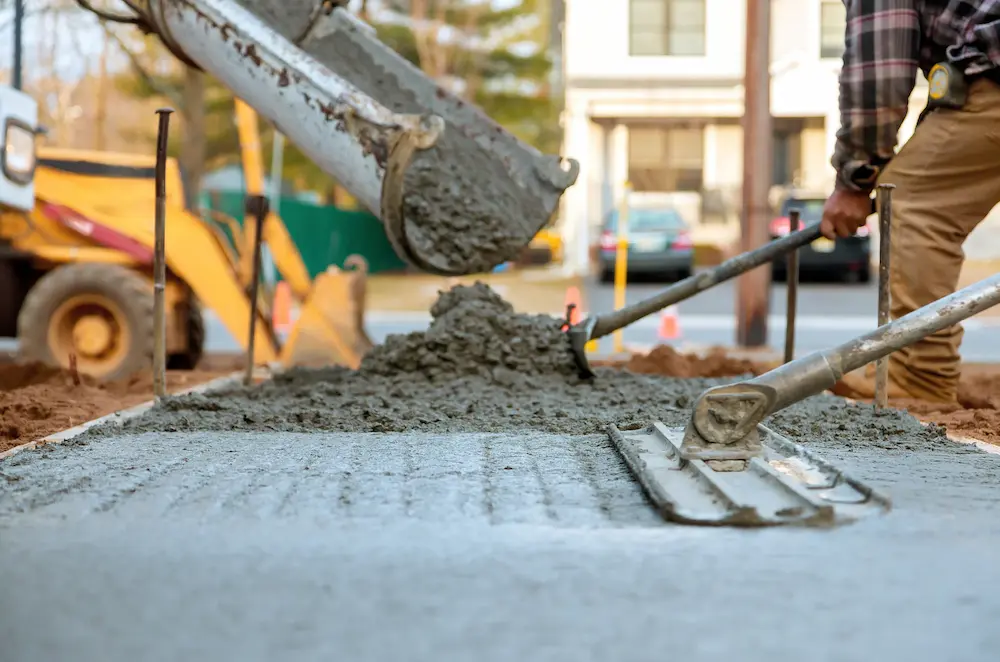
- Reinforcement of concrete and mortar (high-strength cellulose fiber for concrete)
- Paper for medical and hygiene products
- High-grade cultural paper (e.g., currency and calligraphy paper)
- Food packaging materials (subject to regulatory certification)
3.2 Applications of Recycled Cellulose Fiber
- Acoustic and thermal insulation materials
- Packaging and cushioning products
- Newsprint and toilet tissue
- Industrial filters and absorbent components
The applications of cellulose fiber in construction are broadening as the industry pursues sustainable building solutions. Both native and recycled fibers are integrated into composite systems, depending on performance requirements.
IV. Cost Factors: Balancing Budget and Benefits
Native cellulose fibers, while offering premium performance, come at a higher production cost due to raw material sourcing, transportation, and processing. Products like Celofiber® CF, Celofiber® CX are priced higher but provide unmatched stability and mechanical properties, essential in performance-critical applications.
In contrast, recycled cellulose fibers offer cost-effective cellulose fiber alternatives. With low-cost feedstocks and simpler processing, the Celofiber® CF series delivers economical solutions suitable for mass-market applications, including sustainable cellulose fiber solutions in green building and packaging sectors.
V. Conclusion: Informed Choices for a Greener Future
Understanding the difference between native and recycled cellulose fiber allows manufacturers and engineers to select materials that meet specific technical, economic, and environmental criteria. Whether you require the strength and purity of native cellulose or the affordability and sustainability of recycled options, Celofiber® products offer solutions tailored to your needs.
For assistance in selecting the best fiber type for your project, contact the Celofiber® technical team for a customized consultation.
FAQ: Frequently Asked Questions
Q1: What is the main difference between native and recycled cellulose fiber?
A1: Native cellulose fiber is sourced from virgin wood pulp and offers superior strength and purity. Recycled cellulose fiber comes from post-consumer or industrial waste and is more eco-friendly and cost-effective.
Q2: What are the common applications of cellulose fiber in construction?
A2: Common uses include mortar reinforcement, insulation, fiber cement boards, and as additives in concrete to improve durability.
Q3: Is recycled cellulose suitable for eco-friendly insulation?
A3: Yes. Recycled cellulose is widely used in eco-friendly cellulose fiber insulation due to its excellent bonding and thermal properties.
Q4: Are native cellulose fibers sustainable?
A4: When sourced from certified, sustainably managed forests, native cellulose fibers support long-term environmental goals.
Q5: How do I choose between native and recycled fiber for my product?
A5: It depends on your performance requirements and budget. For high-performance needs, native fiber is preferred. For cost savings and green objectives, recycled fiber is ideal.