News

News

Polycarboxylate superplasticizer is a high-performance water reducing agent. It is a cement dispersant used in cement concrete applications. Polycarboxylate concrete superplasticizer is widely used in roads, bridges, dams, tunnels, high-rise buildings and other projects. This article mainly introduces the role and advantages of polycarboxylate superplasticizer.
In this article, we explore the four main types of water-reducing agents commonly used in the construction industry: lignin-based, naphthalene-based, melamine-based, and polycarboxylate-based superplasticizers, along with their respective characteristics, dosage recommendations, and suitable applications.
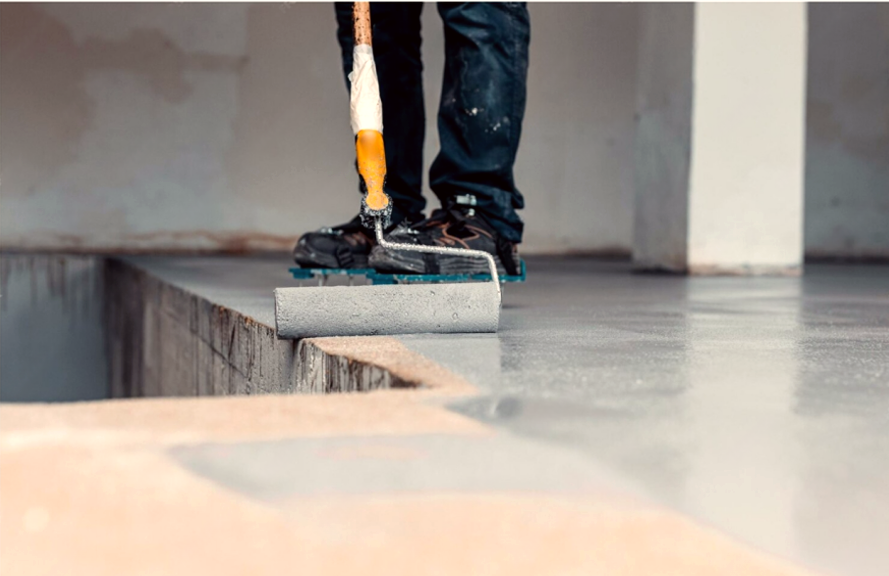
Floor mortar is an essential component in modern construction, playing a vital role in floor leveling, surface protection, and decorative finishes.Floor mortar is an essential component in modern construction, playing a vital role in floor leveling, surface protection, and decorative finishes.
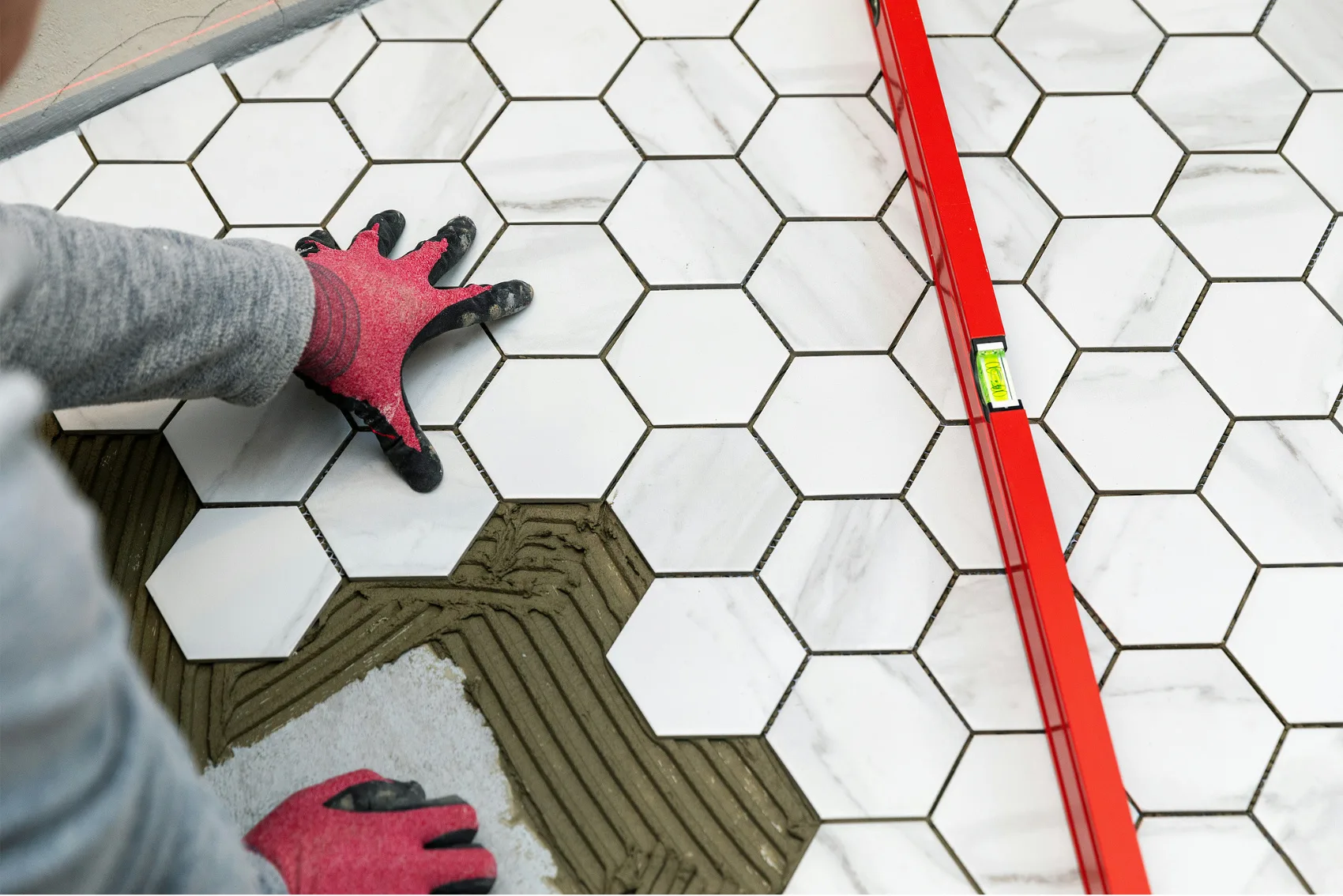
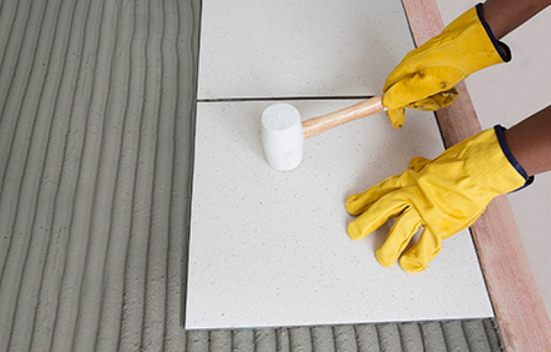
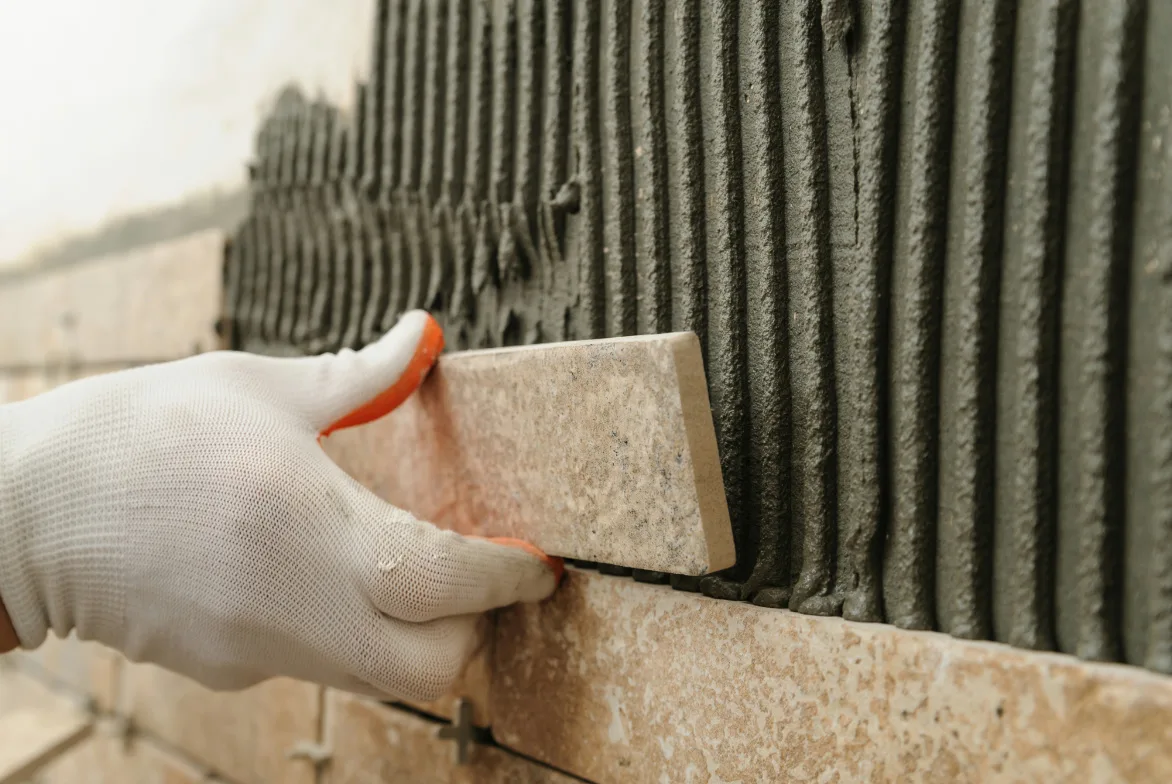
The tile adhesive mortar is the special adhesive mortar used for pasting ceramic wall and floor tiles, stone materials, etc., onto the substrate. According to the different composition, it can be divided into three broad categories: cement-based tile adhesive mortar, polymer emulsion tile adhesive mortar, and reactive resin tile adhesive mortar. The most commonly used is the cement-based tile adhesive mortar.
Redispersible polymer powder (RDP) and modern thin-layer processes play an indispensable role in the modification of tile adhesives, and have different roles and advantages in the performance and application of tile adhesives, as well as the actual laying of ceramic tiles.
Since it has good workability, slide resistance, and long enough opening time, the thin-layer construction is made possible, greatly improving the efficiency of pasting tiles.
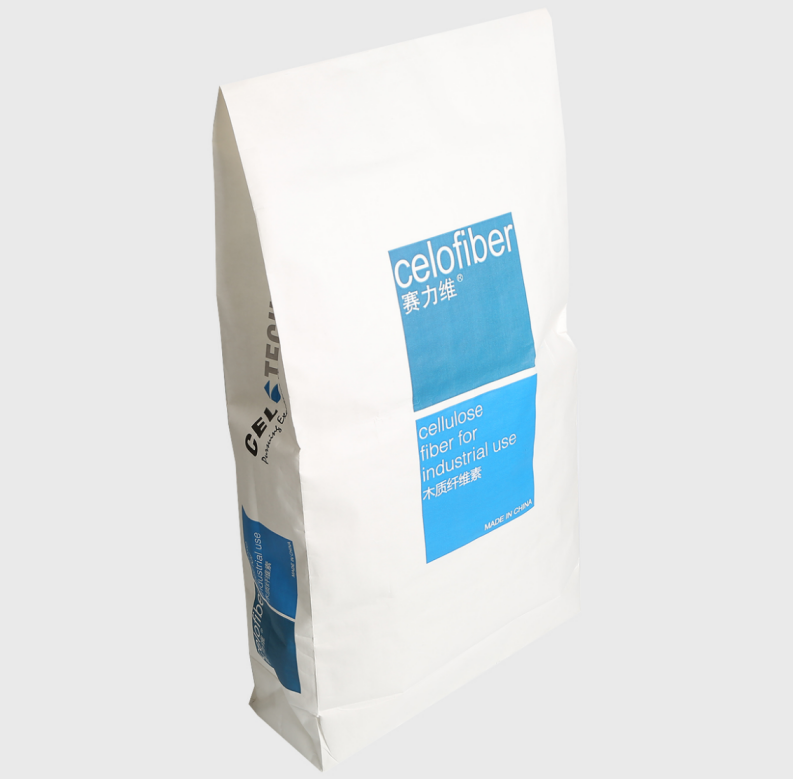
Wood fibers have different lengths ranging from 10-200 microns. Wood fibers of different lengths are used in different dry mortar products.
Redispersible polymer powder (RDP) plays a crucial role in enhancing both the fresh and hardened properties of cementitious mortar.
A retarder is an additive that reduces the hydration rate and heat of hydration of cement or gypsum, and prolongs the setting time. This article mainly introduces the classification of retarders and their role in mortar.
Cellulose ether is easily affected by cellulase and microorganisms. Enzymes preferentially attack the unreplaced dehydrated glucose units, which will lead to the hydrolysis of macromolecular chains and the reduction of product viscosity. Ether substituents can protect the cellulose backbone, so the stability of cellulose ether increases with the increase of DS or the uniformity of substitution, and only a few unsubstituted dehydrated glucose units are attacked by hydrolases.

We value your privacy

We use cookies to enhance your browsing experience, serve personalised ads or content, and analyse our traffic. By clicking "Accept All", you consent to our use of cookies.

Get a Quote