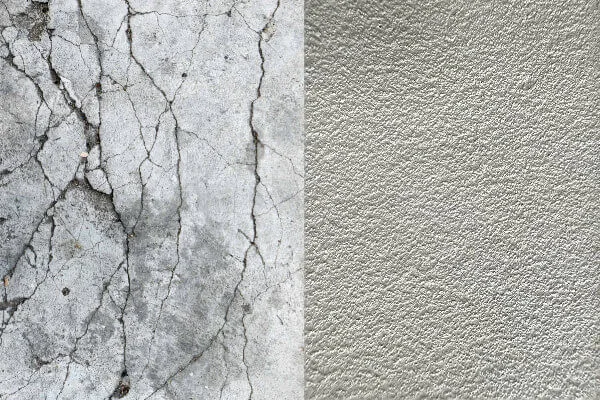
In the construction world, we have a saying: “Drying is losing water; Curing is using water.” Often, I see young guys on the site asking, “Hey, the surface looks pale and hard—can we walk on it?” I always tell them: “Don’t let a dry surface fool you.” To get a professional result, you need to understand the dance between the clock and the chemistry.
Mortar Drying Time vs Curing Time: Why the Difference Matters
Let’s get our terms straight because this is where most mistakes happen.
Drying is a physical process—it’s just the environment sucking the moisture out of your mix. If it’s a windy or scorching day, your mortar might “dry” in a few hours.
But is it Curing? That’s a chemical marriage called hydration. It’s when the cement particles grow microscopic crystals that lock together like thousands of tiny anchors. This process is slow, and more importantly, it needs water to keep going. If your mortar dries out too fast, the hydration stops dead. You end up with what we call “burnt” mortar—it looks fine but has the structural strength of a dry cracker. That’s why we professionals obsession over water retention.
The Typical Timeline: What to Expect
When you’re planning your project, you can’t fight nature. Here is the reality of the 28-day hydration journey:
The First 2-4 Hours (Initial Set): The mortar loses its plasticity. It’s no longer a paste; it’s becoming a solid.
24 to 48 Hours (Initial Cure): In most cases, it’s hard enough for light foot traffic. But don’t go dragging heavy machinery over it yet.
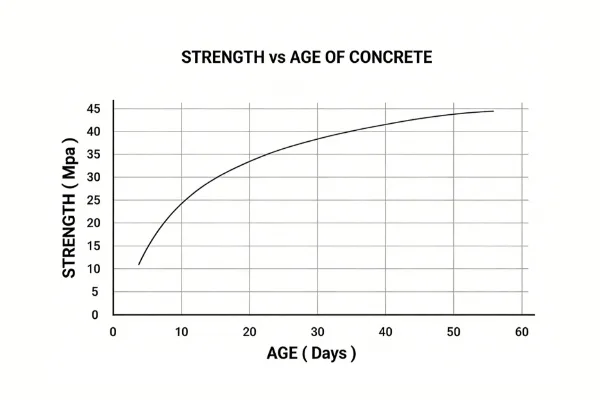
7 Days (The Milestone): Your mortar has reached about 70% of its strength. This is usually when we feel safe putting real weight on it.
28 Days (The Finish Line): The chemical reaction is mostly complete. You’ve hit maximum design strength and durability.
5 Critical Factors That Impact Mortar Curing Time
In the lab and on the field, I’ve seen the same mix behave differently based on the environment. Here’s what’s actually happening:
Temperature: This is the big one. Heat speeds up the chemical reaction. But be careful—too hot, and the water vanishes before the hydration is done.
Humidity: High humidity is actually your friend here. It slows down evaporation, giving the mortar more “breathing room” to cure properly.
Substrate Absorption: If you’re applying mortar to a very thirsty, dry brick, it’s going to suck the life (water) out of your mix instantly. Always dampen your substrate first!
Mix Consistency: A “soupy” mix doesn’t mean it cures better; it just means it has more voids once the water leaves, leading to weaker structures.
Layer Thickness: Obviously, a thick bed of mortar for a stone wall will take much longer to stabilize than a thin layer of tile adhesive.
How to Make Mortar Dry Faster and Cure Stronger
Sometimes the schedule just won’t wait. If you need to speed things up without sacrificing quality, here’s my professional take:
How to speed up concrete curing: use accelerators: These are specific additives that kickstart the hydration process. They are lifesavers in cold weather or rapid-repair jobs.
How to ensure proper curing: use water retention, This sounds contradictory, but to make mortar “stronger” faster, you need to keep the water in. This is whereCellulose Ethers (HPMC)come in. They act like a reservoir, holding onto the water just long enough for the cement to “eat” it, preventing premature drying.
Adding flexibility with RDP: Adding Redispersible Polymer Powder helps the mortar stay flexible while it gains strength, ensuring that even if the curing environment isn’t perfect, the bond stays tight.
How to Use Mortar in Cold Weather?
Construction doesn’t stop just because the temperature drops. But remember: hydration stops at 0°C (32°F). If the water in your mortar freezes, it expands and destroys the bond structure.
My advice: Use warm water for mixing and utilize anti-freeze additives. Cover your work with thermal blankets. You want to keep that mortar above 5°C for at least the first 48 hours to ensure it gains enough “early strength” to survive the frost.
Technical Summary
Curing isn’t just about waiting; it’s about management. Whether you’re dealing with a high-rise project or a simple repair, understanding the timeline—24 hours for foot traffic, 7 days for heavy loads, and 28 days for full maturity—is key to a job that lasts a lifetime.
We value your privacy
We use cookies to enhance your browsing experience, serve personalised ads or content, and analyse our traffic. By clicking "Accept All", you consent to our use of cookies.
Customise Consent Preferences
We use cookies to help you navigate efficiently and perform certain functions. You will find detailed information about all cookies under each consent category below.
The cookies that are categorised as "Necessary" are stored on your browser as they are essential for enabling the basic functionalities of the site. Show more
>Necessary
Necessary cookies are required to enable the basic features of this site, such as providing secure log-in or adjusting your consent preferences. These cookies do not store any personally identifiable data.
>Functional
Functional cookies help perform certain functionalities like sharing the content of the website on social media platforms, collecting feedback, and other third-party features.
>Analytics
Analytical cookies are used to understand how visitors interact with the website. These cookies help provide information on metrics such as the number of visitors, bounce rate, traffic source, etc.
>Performance
Performance cookies are used to understand and analyse the key performance indexes of the website which helps in delivering a better user experience for the visitors.
>Advertisement
Advertisement cookies are used to provide visitors with customised advertisements based on the pages you visited previously and to analyse the effectiveness of the ad campaigns.