CELOPRE ME6

CELOPRE ME6

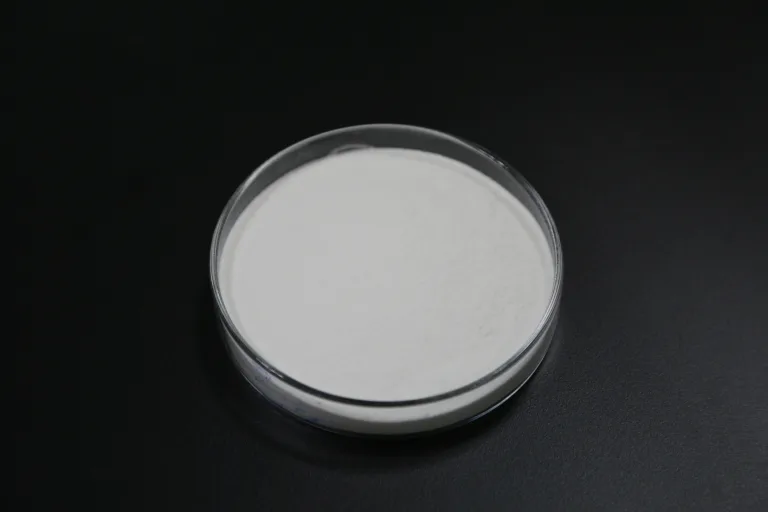
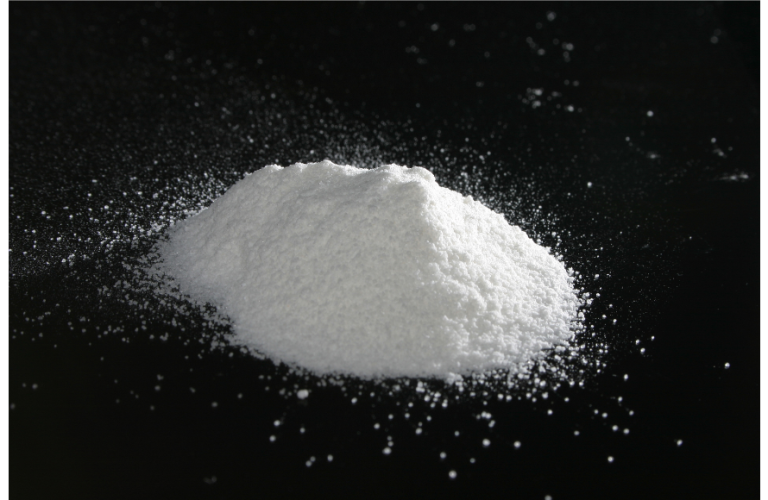
CELOPRE ME6 is an HPMC that dissolves rapidly, has extremely low solution viscosity, sprays smoothly, and forms a uniform film. It is specifically designed for surface functional coatings that do not alter the tablet disintegration rate.

Test ItemUnitSpecificationStandard
AppearanceWhite to Yellowish whiteVisual
Identification AConformsUSP
Identification BConformsUSP
Identification CConformsUSP
pH5.5-8.0USP
Apparent ViscositymPa.s5.4 – 6.6USP
Loss on Drying%5.0 MaxUSP
Residue on Ignition%1.5 MaxUSP
Heavy Metals%0.001 MaxUSP
Arsenicppm3.0 MaxUSP
Methoxyl Content%28.0 – 30.0USP
Hydroxypropoxyl Content%4.0 – 12.0USP
Total Microbial Countcfu/gMax 1000
Total Mould and Yeastcfu/gMax 100
E.ColiNegative


CELOPRE ME6 Applications

  • Pharmaceutical Film Coating

    Pharmaceutical Film Coating

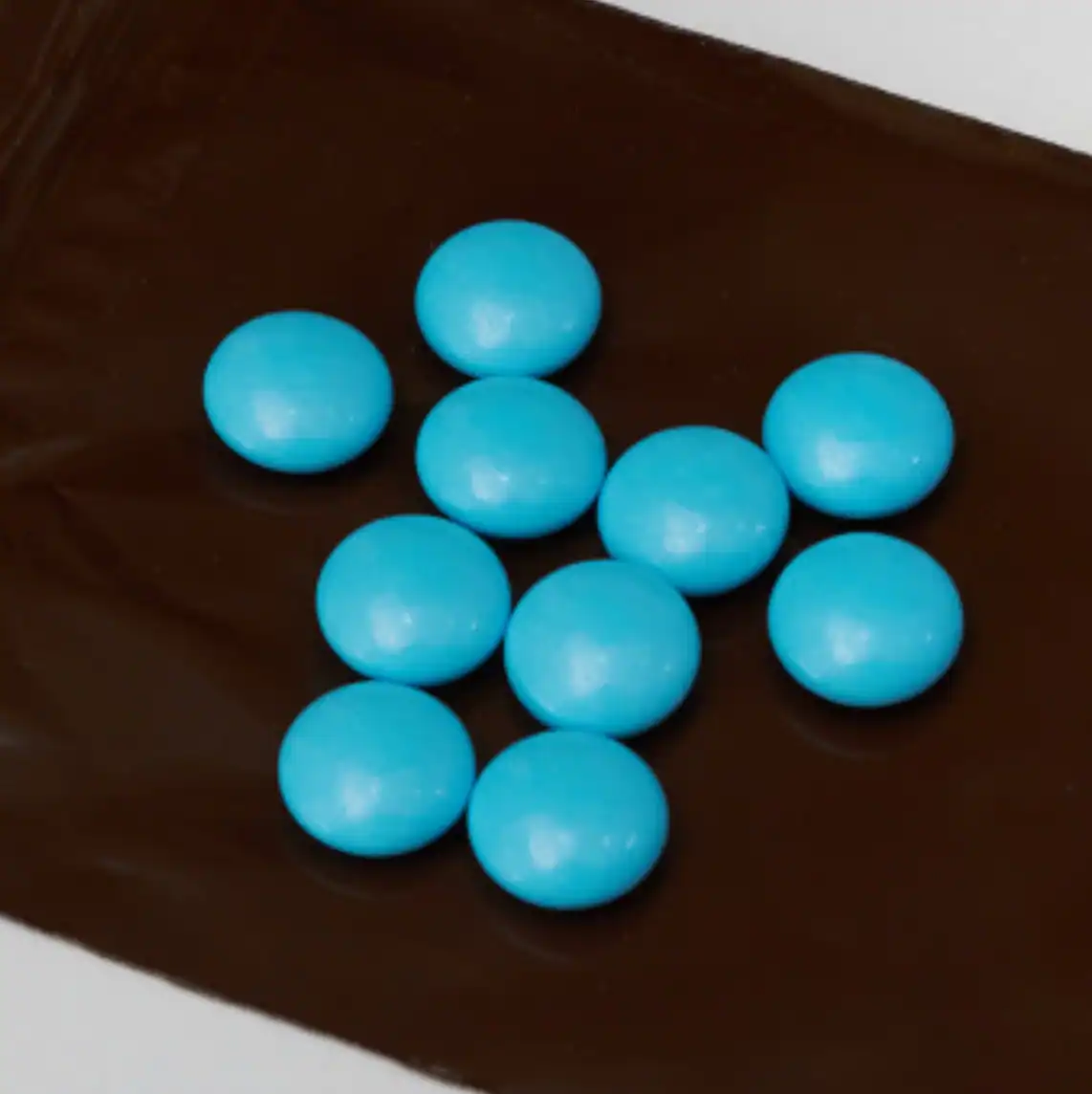
    CELOPRE ME6 is suitable for tablet coating, taste masking, improving surface smoothness, and providing mild moisture protection.

    Advantages

    • Smooth spraying, no spray gun clogging
    • Uniform film formation, improving tablet surface smoothness
    • Effectively maskes taste, improving the medication experience
    • Provides basic moisture protection without affecting disintegration and release
    Inquiry Now
  • Rapid-release Tablets (IR)

    Rapid-release Tablets (IR)

    CELOPRE ME6 can be used as a mild binder/granulation aid and disintegration modifier.

    Advantages

    • Mild binder, aids in granulation formation
    • Does not affect rapid tablet disintegration
    • Adjustable disintegration behavior to suit immediate-release requirements
    • Specifically designed for immediate-release systems, with no interference from sustained-release mechanisms.
    Inquiry Now
  • Dispersion/suspension Systems

    Dispersion/suspension Systems

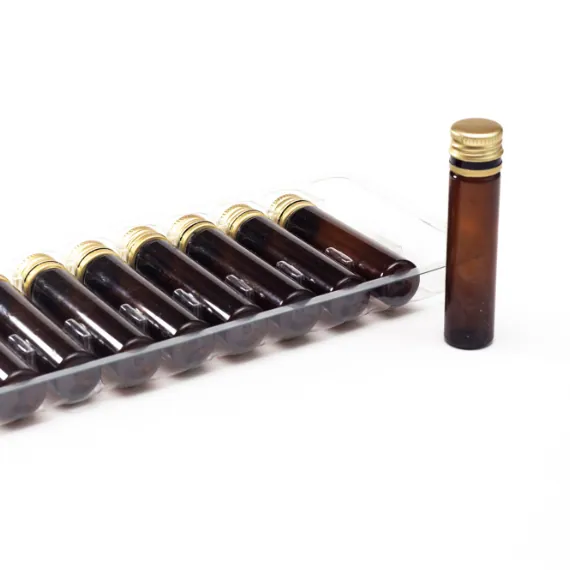
    CELOPRE ME6 can be used for API dispersion and uniformity control without significantly increasing system viscosity.

    Advantages

    • Maintains low viscosity without affecting flowability
    • Improves API dispersion uniformity
    • Contributes to the stability of suspension systems
    • Suitable for viscosity-sensitive liquid formulations
    Inquiry Now
  • Lightweight Cosmetics Film-forming Systems

    Lightweight Cosmetics Film-forming Systems

    CELOPRE ME6 is suitable for cosmetics, including serums, lotions, and masks, providing a light, non-sticky experience.

    Advantages

    • Refreshing feel, no stickiness or heaviness
    • Natural film formation, excellent breathability
    • Maintains the lightweight properties of the formula
    • Enhances application smoothness and user comfort
    Inquiry Now
  • Food and Plant-based Capsules

    Food and Plant-based Capsules

    CELOPRE ME6  can be used as a mild stabilizer in food and plant-based capsules.

    Advantages

    • Low viscosity, does not affect the solubility and release of plant-based capsules
    • Provides mild stabilizing effect, maintaining system homogeneity
    • Forms a thin film, suitable for formulations requiring a fine texture
    • Good compatibility, suitable for various food and capsule systems
    Inquiry Now

Related Posts

Hydroxypropyl Methylcellulose (HPMC) is a versatile cellulose derivative widely used across construction, pharmaceuticals, coatings, and food applications. Its primary functions—viscosity control, water retention, and film formation—make it essential for tile adhesives, dry-mix mortars, industrial coatings, and even pharma excipients.
Cellulose ether enhances the performance and durability of modern construction materials. Its ability to retain water ensures optimal cement hydration, especially in thin-layer applications where rapid drying is a concern.
Cellulose ether is easily affected by cellulase and microorganisms. Enzymes preferentially attack the unreplaced dehydrated glucose units, which will lead to the hydrolysis of macromolecular chains and the reduction of product viscosity. Ether substituents can protect the cellulose backbone, so the stability of cellulose ether increases with the increase of DS or the uniformity of substitution, and only a few unsubstituted dehydrated glucose units are attacked by hydrolases.

We value your privacy

We use cookies to enhance your browsing experience, serve personalised ads or content, and analyse our traffic. By clicking "Accept All", you consent to our use of cookies.

Get a Quote