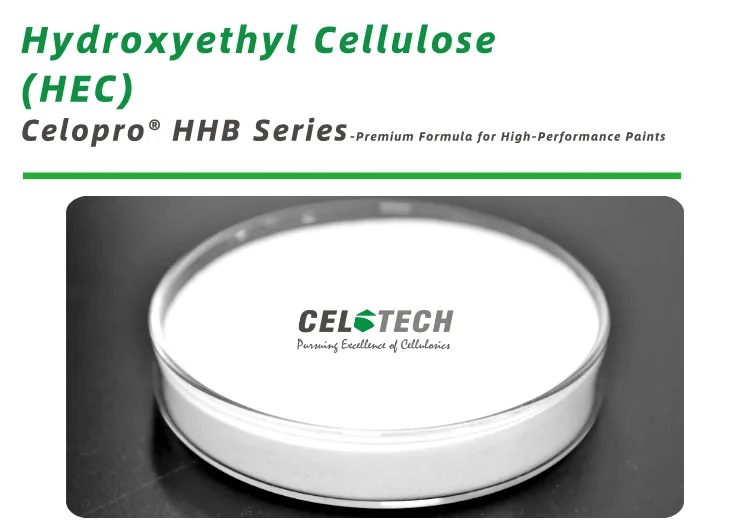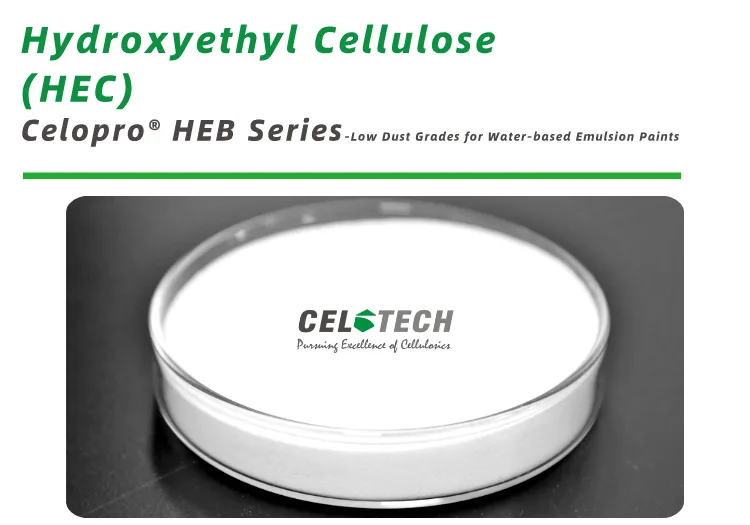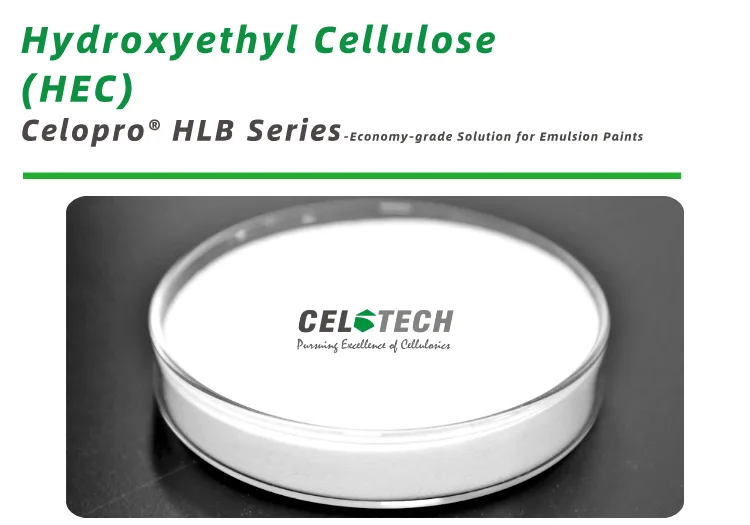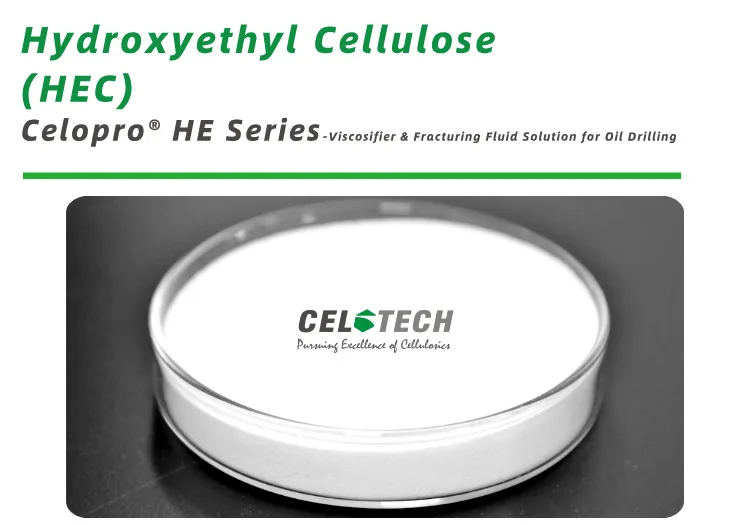
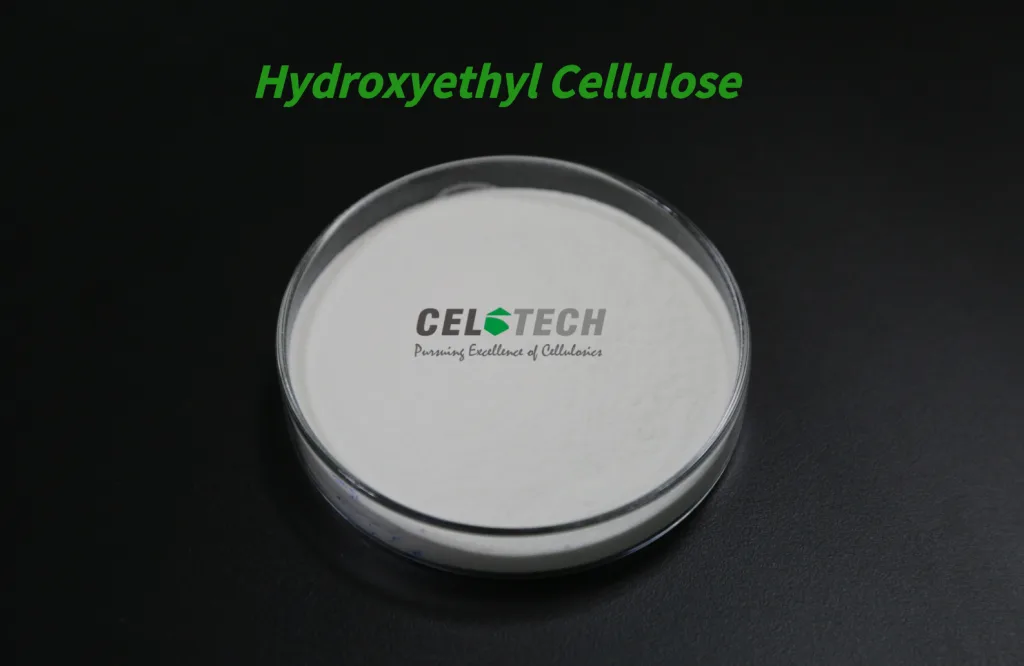
Hydroxyethyl cellulose (HEC) is a widely used nonionic cellulose ether, appearing as a white or light yellow, odorless, non-toxic powder or fibrous material. Manufactured through the etherification of alkali cellulose with ethylene oxide (or chlorohydrin), HEC dissolves in both cold and hot water without gelling. Due to its versatile substitution degree, solubility, and viscosity range, along with excellent heat stability (up to 140 °C) and acid resistance, HEC finds applications as a coating agent, binder, cement and gypsum additive, thickener, suspending agent, pharmaceutical excipient, antifogging agent, oil well fracturing fluid additive, drilling agent, fiber and paper sizing agent, cosmetic ingredient, toothpaste additive, and more.
The Refining Process of Hydroxyethyl Cellulose
After etherification, crude HEC slurry must undergo a refining process consisting of neutralization, cross-linking, washing, filtration, and drying. Choosing the appropriate neutralization agent significantly impacts product quality, process efficiency, and production cost.
Neutralization with Organic Acids
Traditional refining often uses organic acids such as acetic acid, propionic acid, or formic acid for neutralization. However, this method presents multiple challenges:
-
Swelling and Viscosity Issues: Neutralization with organic acids causes the material to swell, increasing viscosity and thickening the slurry. This swelling leads to blockage of filter cloth during washing and filtration, reducing process efficiency.
-
High Moisture Content and Washing Difficulties: The swelling effect results in filter cakes with moisture content between 65-80%. Such dense cakes limit the washing liquid flow rate, increasing pressure on the filter press to its maximum tolerance. Consequently, washing becomes slow and inflexible.
-
High Ash Content: The sodium salts formed from organic acids have large molecular weights and low solubility in washing solvents, limiting ash removal. After washing, the ash content typically remains above 5%, leading to inferior product quality.
-
Drying and Pulverization Challenges: Multiple washing and drying cycles produce hard, coarse material, increasing the pulverizer load. Elevated pulverization temperatures (80-120 °C) reduce grinding efficiency, negatively affecting final product properties.
These factors lead to higher production costs and lower-quality HEC products, which may not meet stringent customer specifications from global HEC buyers.
Neutralization with Mineral Acids: Advantages in HEC Production Optimization
In contrast, many advanced HEC manufacturers use mineral acids such as sulfuric acid, phosphoric acid, nitric acid, or hydrochloric acid at concentrations ranging from 15% to 90% (optimally 35-50%) for neutralization. This approach offers significant advantages:
-
Improved Washing and Filtration: Neutralized HEC appears as granular particles suspended in solvent, enabling continuous washing via drum-type filter presses. Lower washing pressures and uniform material distribution prevent filter media clogging and increase equipment flexibility.
-
Cost Effectiveness: Mineral acids are more economical and stable in quality, ensuring lower raw material costs and reliable supply.
-
Enhanced Product Quality: Post-neutralization washing and drying yield HEC with higher whiteness, better dispersibility, lower ash content, and improved stability, meeting stringent industry standards.
-
Production Efficiency and Safety: Continuous refining lines reduce labor intensity, improve energy efficiency, and enhance process safety, vital for large-scale HEC suppliers competing globally.
Washing and Drying Techniques for Low Ash HEC Production
Optimizing washing and drying parameters is crucial for producing low ash content HEC. Mineral acid neutralized filter cakes exhibit higher porosity, allowing effective washing liquid penetration, reducing residual salts, and thus lowering ash content.
Drying must avoid excessive temperature and duration to maintain polymer integrity and facilitate efficient pulverization, resulting in high-quality powder suitable for diverse applications.
Conclusion
Refining hydroxyethyl cellulose using mineral acid neutralization represents a key advancement in HEC production optimization. Compared to organic acids, mineral acids enhance washing efficiency, product purity (low ash), process flexibility, and reduce production costs. For HEC suppliers and HEC manufacturers aiming to deliver premium quality HEC, adopting mineral acid refining coupled with optimized washing and drying processes is essential to meet the growing global demand.
FAQs
Q1: What are the main differences between organic and inorganic acid neutralization in HEC refining?
Organic acids cause swelling and high moisture content leading to filtration and drying difficulties, while inorganic acids improve washing efficiency and product purity with lower costs.
Q2: How does neutralization method impact the ash content of HEC?
Mineral acid neutralization enables more effective ash removal during washing, resulting in lower residual ash content compared to organic acids.
Q3: Why is low ash content important for HEC products?
Low ash content ensures higher purity, better performance in end applications, and meets stricter regulatory and customer requirements.
Q4: What should customers consider when choosing an HEC supplier or manufacturer?
Look for producers with advanced refining technologies, especially mineral acid neutralization and optimized washing/drying, proven product consistency, and strong technical support.