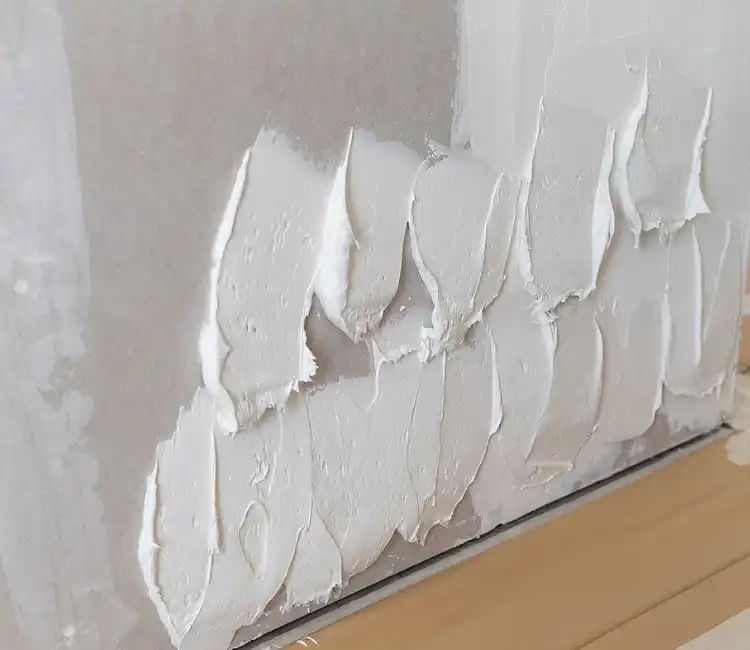




Our waterproof wall putty additives can optimize skim coat waterproofing performance, application experience, and long-term weather resistance, helping to create high-quality wall systems for your projects.
The waterproof wall putty requires high standards for construction performance and water resistance in practical applications. Its final performance is usually determined by the collaborative design of functional additives in the formula.
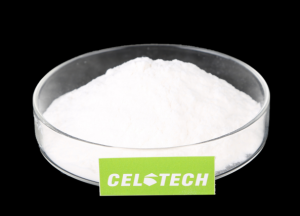
Celotech offers key additives for the waterproof wall putty system, including RDP and water repellent agent, which are used to optimize adhesion, and water resistance stability.
Applications:
Celotech waterproof wall putty additives don’t just resist water; it protects your wall system from the inside out.
No more hidden structural damage: Addditives keep rain and moisture from slowly attacking the substrate by sharply reducing capillary water absorption.
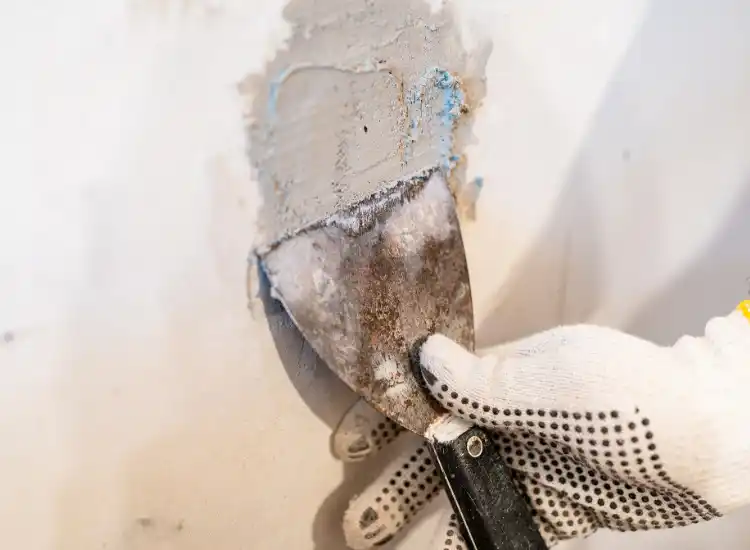
Stays firmly in place: Even under long-term damp conditions, our additives maintains strong adhesion, helping to prevent peeling, hollowing and detachment to wall putty.
Cleaner, fresher-looking walls: Its hydrophobic design helps reduce chalking and blistering, so facades stay smooth and presentable for longer.
Reliable strength in wet environments:Additives keeps wall putty strength, making it ideal for exposed and high-humidity projects.
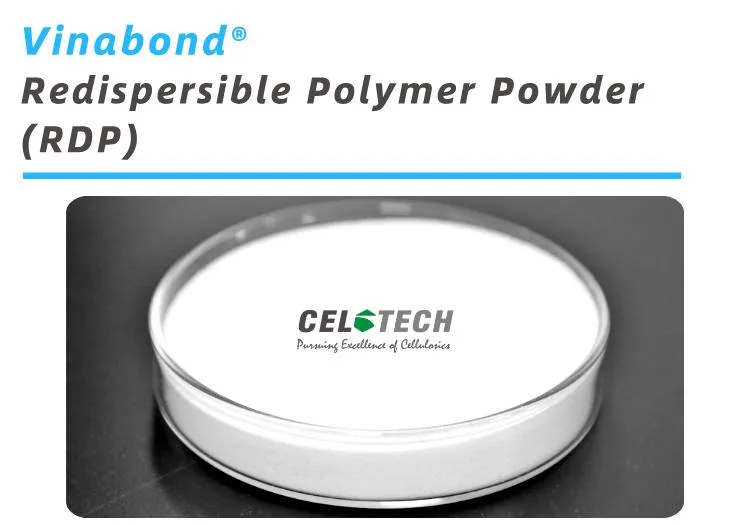
Through film formation, it strengthens the internal structure of the putty, improves adhesion and flexibility, and reduces the migration pathways for moisture within the system.
Recommended Dosage: 8.0 – 50.0 kg/t
Recommended Grades: Vinabond® N511, Vinabond® N515

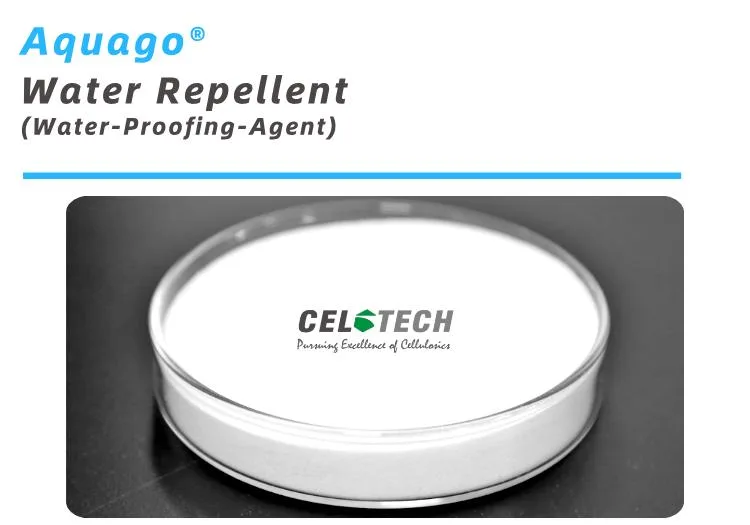
RDP forms a continuous polymer structure inside the putty through film-forming, thereby strengthening the system's cohesion and hydrolysis resistance; the water repellent agent reduces the surface energy of the pore walls, thereby reducing the entry pathways for moisture.

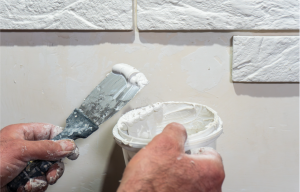
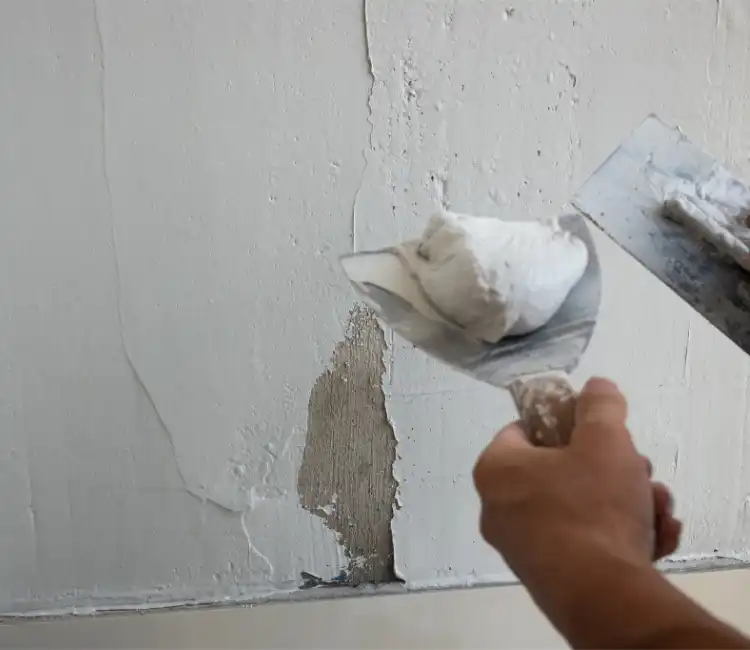
RDP can enhance the lubricity and spreading ability of wall putty, making the scraping process smoother and more uniform, while reducing the risk of shrinkage and cracking, and improving the on-site construction tolerance.

The polymer film-forming structure can significantly enhance the bonding strength between the putty and the base layer, thereby improving the overall adhesion stability of the system.

The hydrophobic agent effectively reduces the capillary water absorption rate by improving the wetting properties of the material surface, thereby minimizing problems such as powdering, blistering and peeling caused by water intrusion.
Based on specific customer formulation systems, we provide:
Many systems use both. RDP enhances the structure and adhesion properties, while the hydrophobic agent reduces water absorption. The two have different action directions.
Common tests include the immersion test, water absorption rate test, bond strength test, and dry-wet cycle test. The requirements of different standards may vary.
Cracking is usually associated with insufficient flexibility, deformation of the base layer, and excessive shrinkage rate in the formulation. Polymer systems can improve the crack resistance to some extent.
There will be some impact. The polymer system is usually capable of improving the construction lubricity and appropriately extending the construction time, which is beneficial for large-scale scraping operations.
No. Water resistance mainly refers to reducing water absorption and structural damage. However, the anti-mildew property also involves antibacterial properties and surface environmental control. These two aspects belong to different directions.
We use cookies to enhance your browsing experience, serve personalised ads or content, and analyse our traffic. By clicking "Accept All", you consent to our use of cookies.
We use cookies to help you navigate efficiently and perform certain functions. You will find detailed information about all cookies under each consent category below.
The cookies that are categorised as "Necessary" are stored on your browser as they are essential for enabling the basic functionalities of the site. Show more
Necessary cookies are required to enable the basic features of this site, such as providing secure log-in or adjusting your consent preferences. These cookies do not store any personally identifiable data.
Functional cookies help perform certain functionalities like sharing the content of the website on social media platforms, collecting feedback, and other third-party features.
Analytical cookies are used to understand how visitors interact with the website. These cookies help provide information on metrics such as the number of visitors, bounce rate, traffic source, etc.
Performance cookies are used to understand and analyse the key performance indexes of the website which helps in delivering a better user experience for the visitors.
Advertisement cookies are used to provide visitors with customised advertisements based on the pages you visited previously and to analyse the effectiveness of the ad campaigns.