1. What is HPMC?
(1) Definition and General Information
Hydroxypropyl Methyl Cellulose (HPMC), also known as Hypromellose, is a non-ionic cellulose mixed ether derived from natural polymer cellulose through a series of chemical modifications.
- HPMC CAS No.: 9004-65-3
- Molecular Weight: Varies by grade
- HPMC Structure: Etherified cellulose with hydroxypropyl and methyl functional groups
(2) Physical Properties
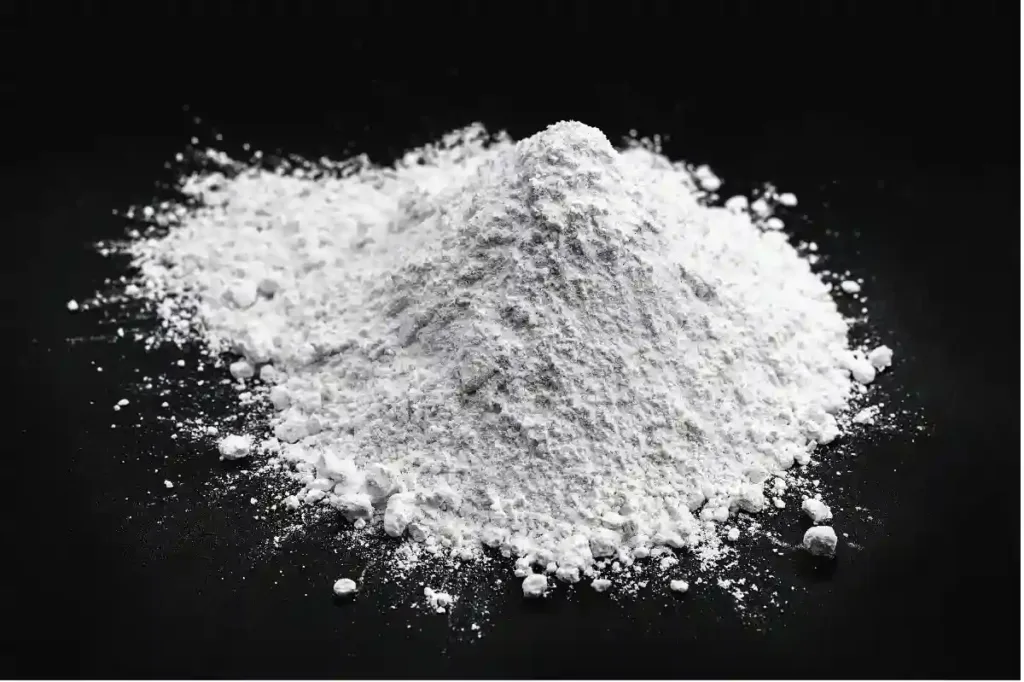
- Appearance: White or off-white fibrous or granular powder
- Density: 1.39 g/cm³
- Solubility: Soluble in cold water, forming a clear or slightly turbid colloidal solution; insoluble in absolute ethanol, ether, and acetone
- Thermal Gelation: Forms a gel upon heating above a specific temperature and reverts to a solution upon cooling
- Stability: Stable under normal conditions; resistant to mold and bacteria, making it ideal for long-term use in dry-mix mortars
(3) Chemical Properties
- Particle Size: 100-mesh pass rate >98.5%, 80-mesh pass rate 100%
- Carbonization Temperature: 280-300°C
- Discoloration Temperature: 190-200°C
- Bulk Density: 0.25-0.70 g/cm³ (typically around 0.5 g/cm³)
- Surface Tension: 2% aqueous solution: 42-56 dyn/cm
- pH Stability: Solubility and viscosity are unaffected by pH variations between 3.0 and 11.0
More Readings:How to Measure Cellulose Ethers Viscosity
2. HPMC Grades by Celotech Chemicals
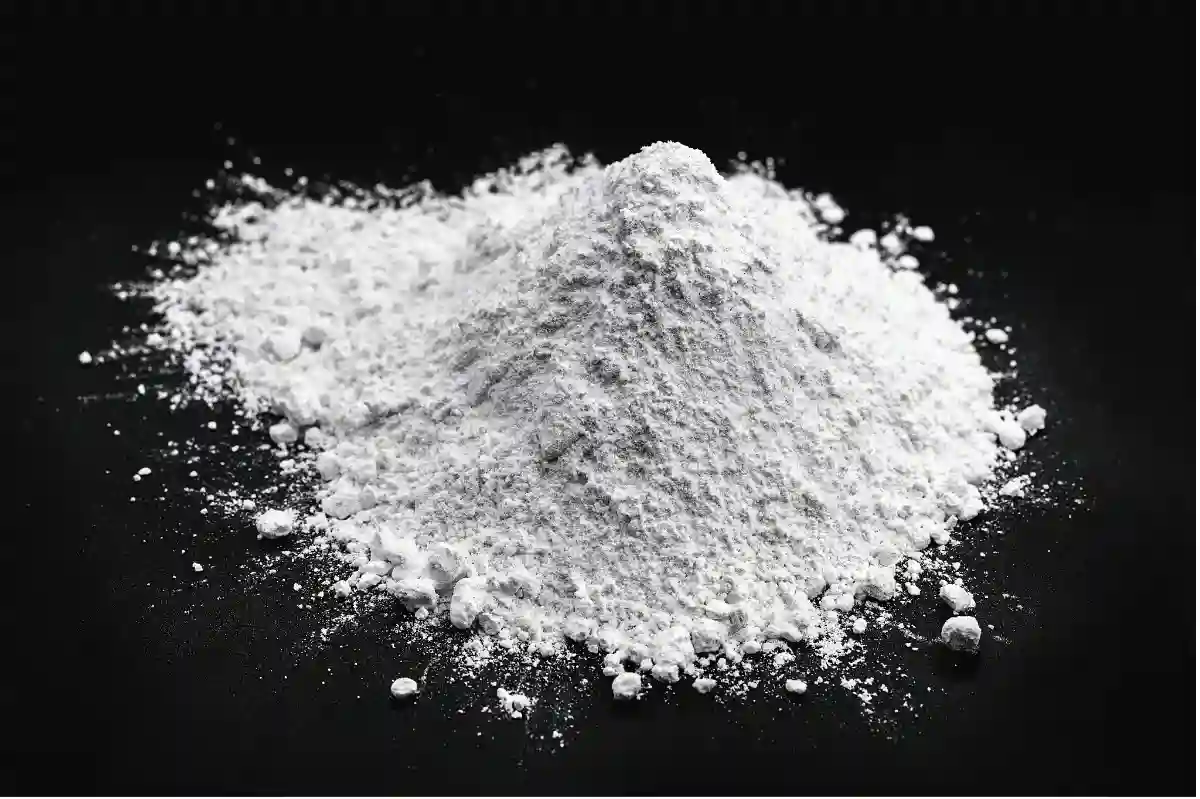
Celotech Chemicals specializes in the production of Celopro® HPMC, designed for various applications, especially in the construction industry, dry mix mortar formulations, tile adhesives, wall putties, and self-leveling compounds.
Standard HPMC Grades:
- Celopro® MK – High gel temperature, suitable for general-purpose construction applications
- Celopro® VX – Formulated specifically for PVC suspension polymerization
- Celopro® ME – High substitution level for premium performance in cement-based systems
Modified HPMC Grades:
- Celopro® MT – Adjustable open time, improved workability, and anti-slip performance
- Celopro® DK – Excellent rheology, high transparency, and adjustable delayed solubility
- Celopro® CX – Engineered for ceramic applications as adhesives and Lubricants
More Readings:How to dissolve HPMC (Hydroxypropyl Methyl Cellulose)?
3. Applications of HPMC
(1) Construction Industry
- Cement-Based Tile Adhesives (CTA): Improves bonding strength, workability, and water retention
- Wall Putty & Skim Coat: Enhances sag resistance, adhesion, and surface smoothness
- Self-Leveling Compounds: Provides flow control and prevents sedimentation
- Gypsum based binders: Extends open time and improves consistency
- External Insulation Finishing Systems (EIFS): Ensures crack resistance and workability
(2) Ceramic Manufacturing
- Used as a binder and dispersant in ceramic production
- Improves green strength and reduces defects
(3) Water based Coatings Industry
- Acts as a thickener, stabilizer, and film-former
- Provides consistent viscosity and smooth application
(4) Ink Printing & Paints
- Enhances viscosity control and dispersion stability
- Provides smooth film formation in printing inks
(5) Plastics & PVC Production
- Functions as a release agent and processing aid
- Used as a dispersant in PVC suspension polymerization
(6) Other Industrial Uses
- Found in oil drilling, welding rods, paper-making, 3D printing, pet products, and textiles
More Readings:
Hydroxypropyl Methyl Cellulose (HPMC) Properties That Enables Its Wide Applications
How HPMC Enhances the Bonding Strength and Performance of Ceramic Tile Adhesive
What are the advantages of HPMC in Engobes & Glazes?
Three Key Benefits of HPMC in Wall Putty: Anti-Sagging, Crack Resistance & Better Workability
Celotech Hydroxypropyl Methylcellulose (HPMC) Grade For Hand Sanitizer
Why Choose Celotech’s HPMC?
- High purity and consistent quality
- Optimized performance for construction materials
- Customizable solutions for different applications
- Excellent water retention, adhesion, and workability
- Comprehensive technical support for clients
For more details about Celotech’s HPMC products or to request samples, please contact us today.
More Readings:
Application of Hydroxypropyl Methylcellulose in Building Materials