Introduction
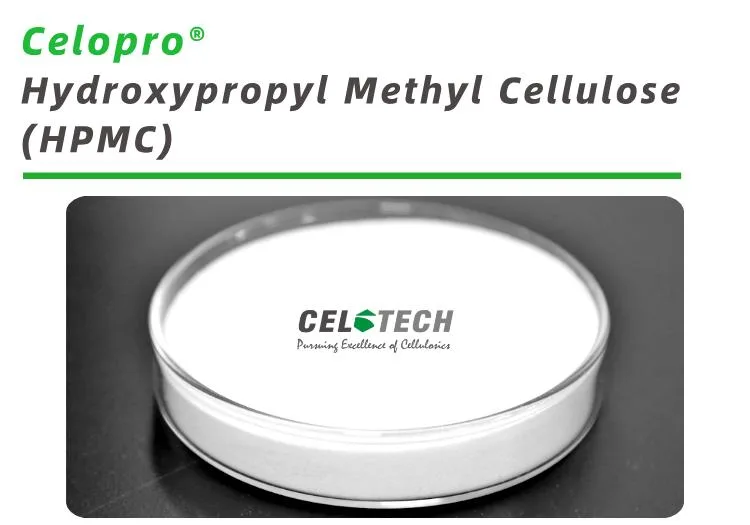
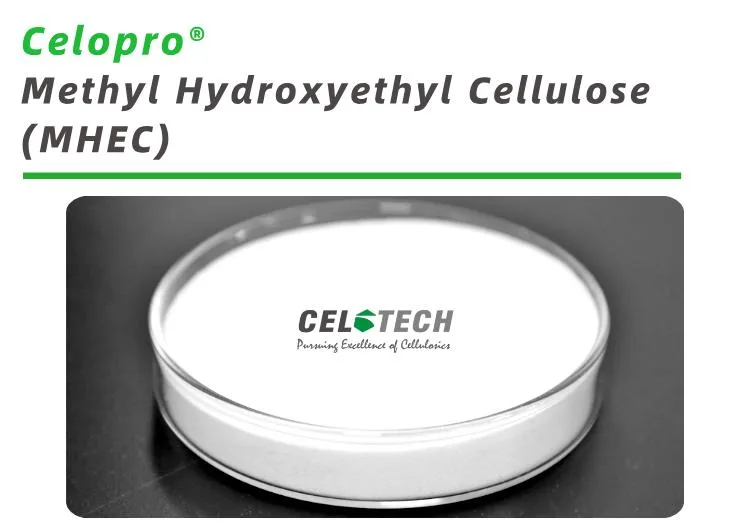
Celotech International is a leading manufacturer of cellulose ethers, specializing in Methyl Hydroxyethyl Cellulose (MHEC) and Hydroxypropyl Methyl Cellulose (HPMC). These polymers are essential water retention agents and thickeners in modern construction materials, offering superior performance in mortars, adhesives, and coatings.
To understand their differences, we must first examine their definitions, chemical structures, and production processes—from refined cotton to the final cellulose ether product.
1. Definitions and Chemical Structures
1.1 Hydroxypropyl Methylcellulose (HPMC)
Definition:
HPMC is a non-ionic cellulose ether derived from natural cellulose. It is modified through etherification, introducing hydroxypropyl (-O-CH₂-CH(OH)-CH₃) and methyl (-O-CH₃) groups.
Chemical Structure:
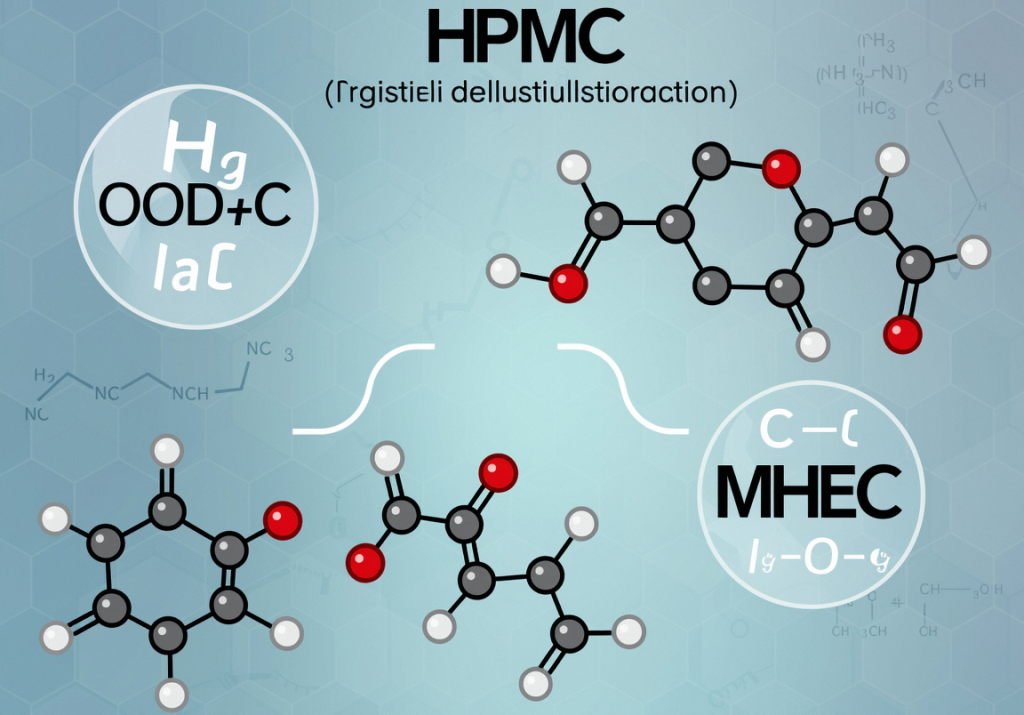
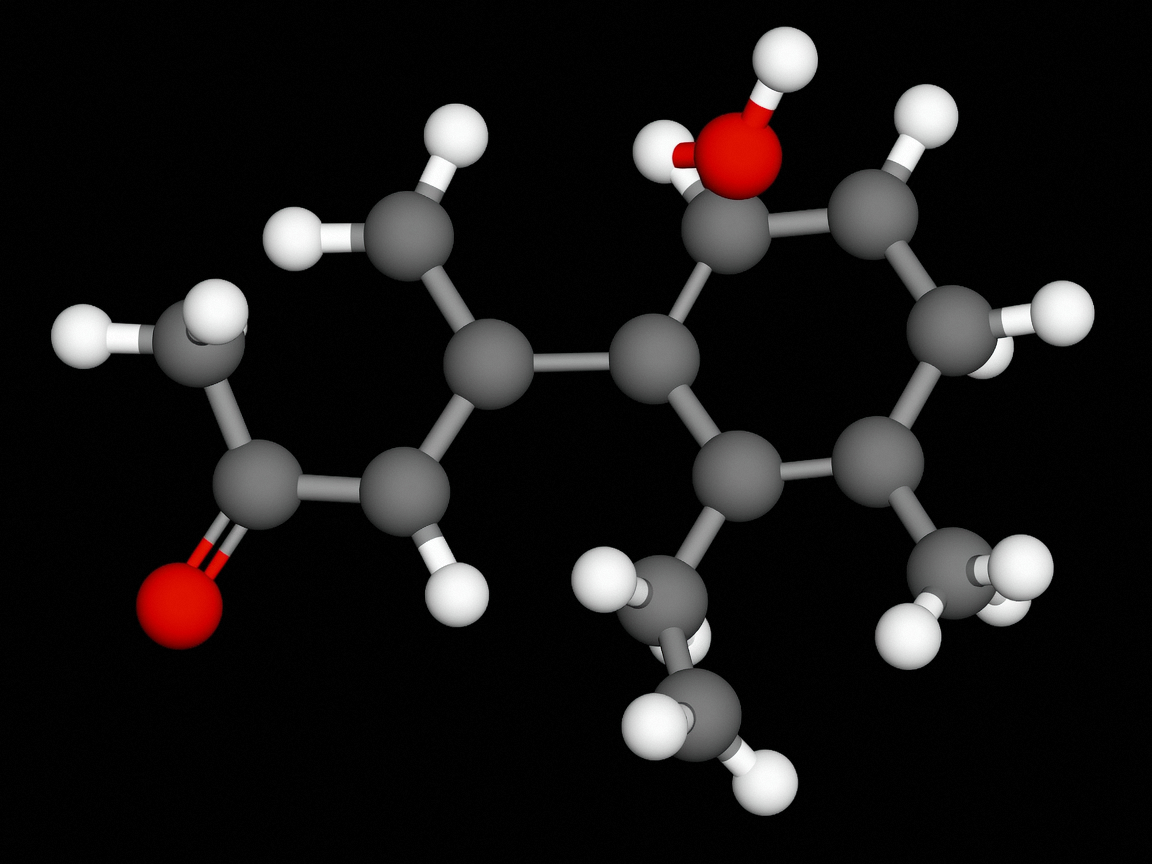
The backbone consists of anhydroglucose units (C₆H₁₀O₅)ₙ, with partial substitution of hydroxyl (-OH) groups by methoxy and hydroxypropyl groups:

1.2 Methylhydroxyethylcellulose (MHEC)
Definition:
MHEC is another cellulose ether where hydroxyl groups are substituted with methyl (-O-CH₃) and hydroxyethyl (-O-CH₂-CH₂-OH) groups.
Chemical Structure:
Similar to HPMC but with hydroxyethyl instead of hydroxypropyl groups:
2. Production Process: From Refined Cotton to HPMC & MHEC
The manufacturing of HPMC and MHEC follows a multi-step chemical process, starting with refined cotton (cellulose) and involving alkalization, etherification, purification, and drying.
Step 1: Alkali Treatment (Mercerization)
- Refined cotton (high-purity cellulose) is treated with sodium hydroxide (NaOH) to form alkali cellulose:Cellulose-OH + NaOH → Cellulose-ONa + H₂O
- This step swells the cellulose fibers, making them more reactive.
Step 2: Etherification (Key Difference Between HPMC & MHEC)
For HPMC:
- Reacted with methyl chloride (CH₃Cl) and propylene oxide (C₃H₆O):
Cellulose-ONa + CH₃Cl → Cellulose-OCH₃ + NaCl
Cellulose-ONa + C₃H₆O → Cellulose-O-CH₂-CH(OH)-CH₃
- The degree of substitution (DS) determines solubility and performance.
For MHEC:
- Reacted with methyl chloride (CH₃Cl) and ethylene oxide (C₂H₄O):
Cellulose-ONa + CH₃Cl → Cellulose-OCH₃ + NaCl
- The hydroxyethyl group provides better water retention in cementitious systems.
Step 3: Purification & Drying
- The crude product is washed to remove salts (NaCl) and byproducts.
- Neutralized, filtered, and dried into a fine powder.
3. Key Features Overview
MHEC
Excellent water retention
Smooth workability
Improved open time under hot conditions
Good thickening in alkaline systems
HPMC
Fast dissolution in cold water
Strong film formation
Better adhesion strength
Stable performance across a broad temperature range
Extension: HPMC’s gelation starts between 60–75°C, which provides early film strength and sag resistance in vertical applications.
4. Performance Comparison Table
| Property | MHEC | HPMC |
|---|---|---|
| Water Retention | Higher, especially in hot environments | Stable retention across moderate temperatures |
| Thermal Gelation Point | Slightly higher | Lower, faster gelation |
| Film Formation | Moderate | Stronger and more elastic |
| Workability | Smoother flow, less drag | Thicker paste, more cohesive |
| pH Stability | Better in high-pH (alkaline) formulations | Good, but slightly lower in high pH |
| Compatibility | Good with cement and gypsum | Good with cement, superior in redispersibles |
Technical Extension: MHEC’s hydroxyethyl groups allow better hydration control, while HPMC’s hydroxypropyl groups provide improved workability and crack resistance in cement-based mortars.
5. Applications & Selection Guide
Tile Adhesives:
Use MHEC for high-temperature job sites with extended open time needs.
Use HPMC when requiring anti-sag, fast setting, and tensile strength.
Wall Putty:
HPMC offers smoother finishing and film-forming.
MHEC improves workability and reduces cracking under dry climate.
EIFS & Skim Coats:
MHEC preferred where longer working time is critical.
HPMC preferred for final coat cohesion and tensile adhesion.
6. Conclusion
Both MHEC and HPMC are reliable cellulose ethers for modern construction chemistry. Their performance varies based on chemical structure and environmental conditions. Choosing the right type depends on specific formulation goals, such as open time, film strength, workability, and ambient temperature.
For high-temperature or water-sensitive applications, MHEC is often favored. For better adhesion and cohesive strength, HPMC is usually the better option.