
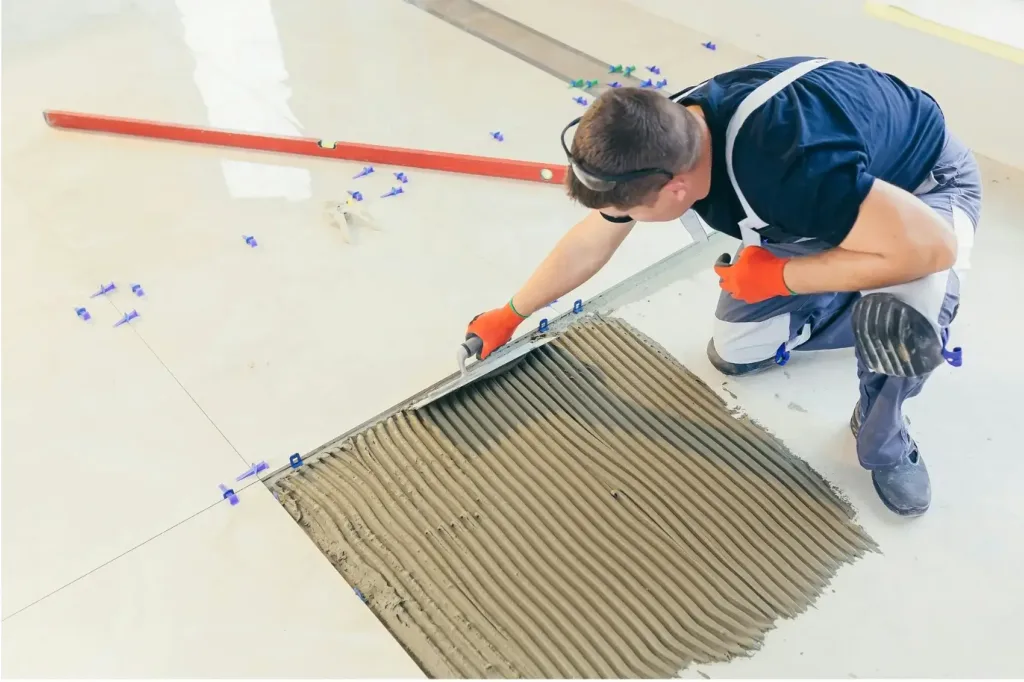
Why Modern Tile Adhesives Need Advanced Additives
Traditional cement mortar often lacks flexibility, workability, and strong adhesion—leading to cracking, delamination, and reduced service life. For modern construction, especially in large-format tile and external applications, using the best additives for tile adhesive formulation is essential.
Redispersible Polymer Powder (RDP) and Hydroxypropyl Methylcellulose (HPMC) have become the industry standard for improving both performance and user experience in tile adhesive systems.
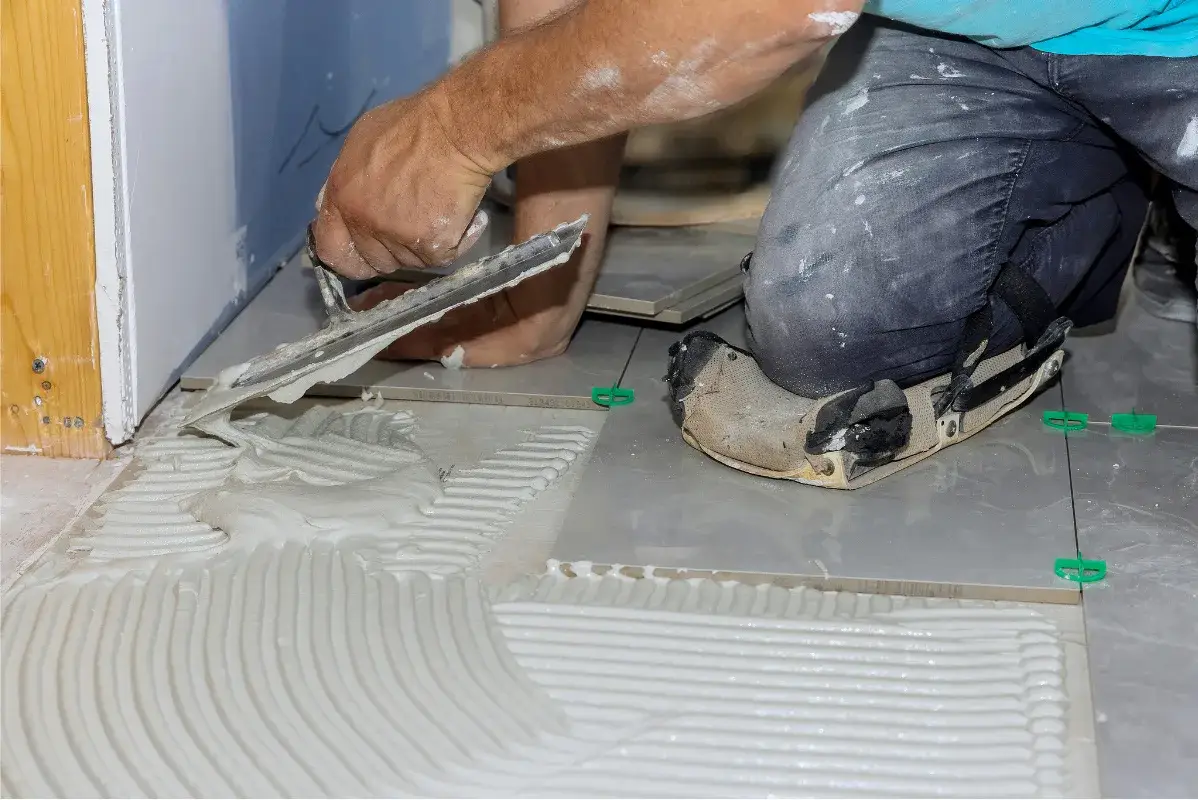
What Is RDP?
Redispersible Polymer Powder (RDP) is a spray-dried polymer emulsion that re-disperses in water during mortar mixing. Once applied and cured, it forms a flexible polymer film within the cementitious matrix.
Key Benefits of RDP:
-
Strong adhesion to tiles and substrates
-
High flexibility, absorbing substrate movement
-
Improved water resistance and freeze-thaw durability
-
Crack bridging and deformation resistance
What Is HPMC?
Hydroxypropyl Methylcellulose (HPMC) is a water-soluble cellulose ether that plays a critical role in the workability and water retention of dry-mix mortars.
Key Benefits of HPMC:
-
Excellent water retention for full cement hydration
-
Extended open time and improved working time
-
Anti-sagging performance for vertical applications
-
Enhanced rheology and smoother troweling
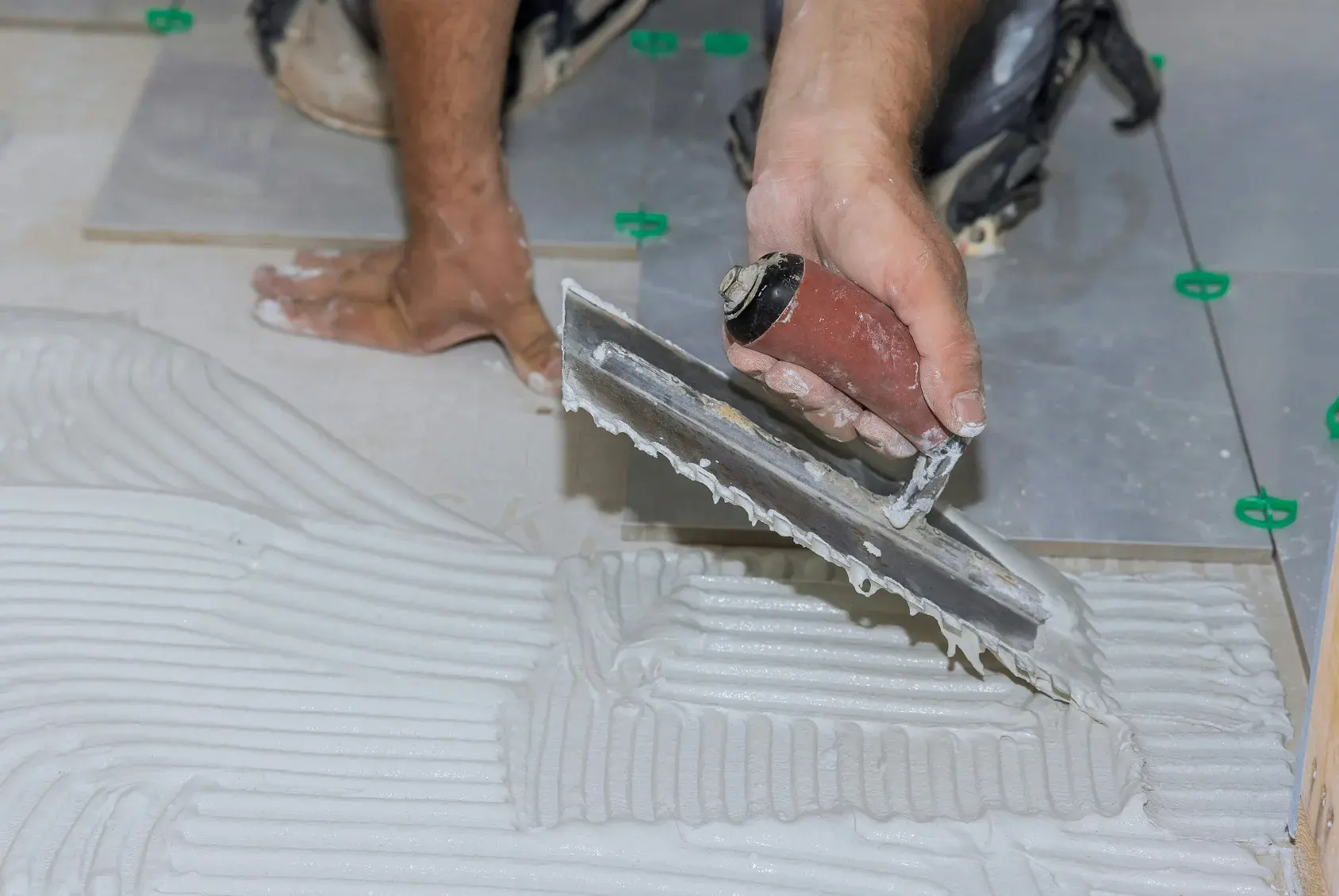
RDP and HPMC for Tile Adhesives: A Synergistic Effect
Using RDP and HPMC for tile adhesives creates a powerful synergy. Each additive serves a unique role:
| Property | Role of RDP | Role of HPMC |
|---|---|---|
| Adhesion | Forms a flexible film for tile-substrate bonding | Enhances cement bonding through proper hydration |
| Workability | Improves flow and consistency | Controls viscosity and prevents sagging |
| Flexibility | Bridges cracks, resists impact | Helps maintain uniform mortar structure |
| Water Retention | Moderate effect | Excellent (typically >98%) |
| Durability | Increases weather & chemical resistance | Stabilizes the mortar matrix |
Achieving High C2 Tile Adhesive Performance
According to EN 12004, C2 tile adhesives require:
-
Improved adhesion strength (≥ 1.0 MPa)
-
Extended open time
-
Heat and moisture resistance
-
Optional flexibility and deformability (S1/S2)
With Celotech’s high-performance Vinabond® RDP and Celopro® HPMC, formulators can easily meet or exceed C2 tile adhesive performance requirements.
Thin-Bed vs. Thick-Bed Mortar: Why Additives Matter
-
Thin-bed mortars (2–5 mm): Now the global standard, these require precision placement and strong adhesion. Additives are essential for ensuring performance.
-
Thick-bed mortars (10–25 mm): Still used for substrate leveling or large tile installation. Require good water retention and sag resistance to perform well.
In both systems, RDP and HPMC deliver better control and long-term durability.
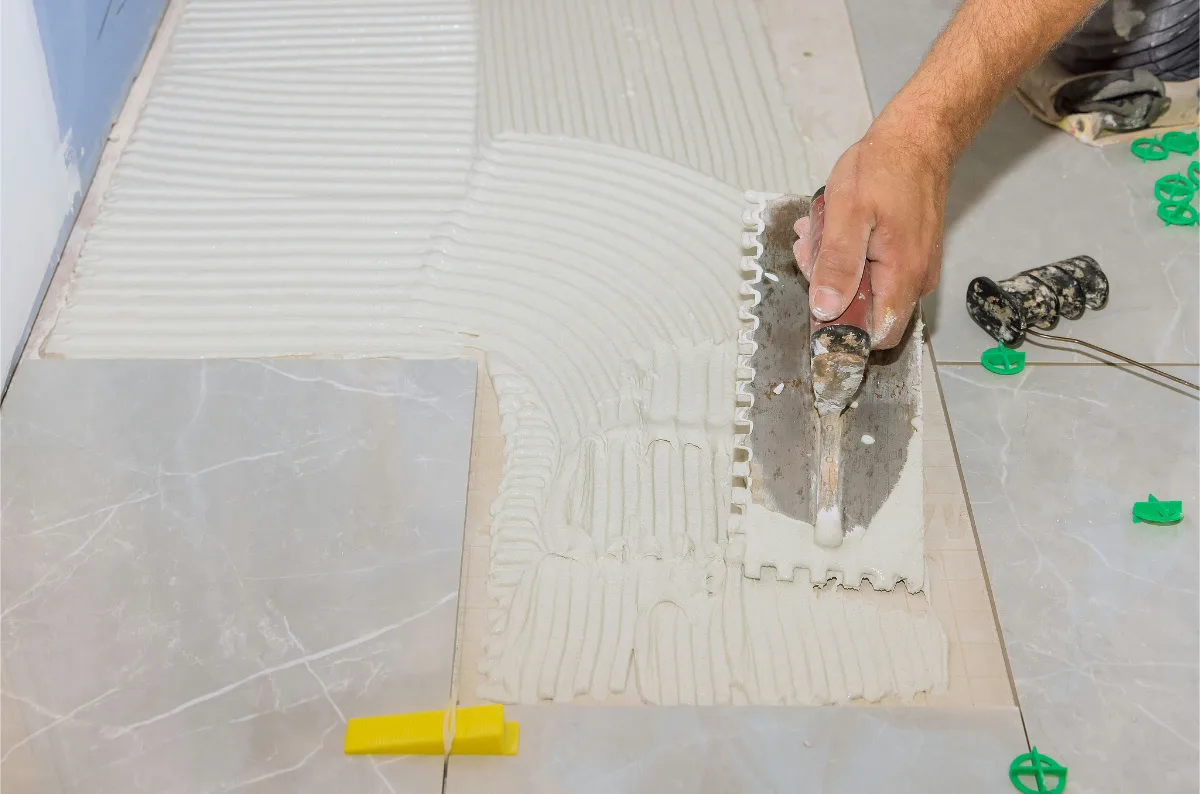
Why Celotech?
At Celotech, we provide tailored solutions to meet the technical demands of tile adhesive producers.
✅ Vinabond® RDP Series
-
Vinabond® N511 / Vinabond® N515: Recommended for high-strength and flexible C2 adhesives
-
Superior water resistance, bonding strength, and mechanical flexibility
✅ HPMC Celopro® ME & Celopro® MT Series
-
Optimized viscosity grades for tile adhesives
-
Excellent water retention, consistency, and workability
✅ Consistent Supply and Technical Support
-
RDP capacity: 30,000 tons annual
- Custom formulation support for global dry-mix manufacturers
FAQ: RDP and HPMC in Tile Adhesives
Q1: What is the ideal dosage of RDP and HPMC in tile adhesives?
A: RDP is typically added at 1.5%–3.0% of total dry mix. HPMC ranges from 0.2%–0.5%, depending on required viscosity and open time.
Q2: Can I use only HPMC without RDP?
A: You can, but performance will be limited. Without RDP, the adhesive will lack flexibility and high bonding strength, especially for large tiles or exterior use.
Q3: How do these additives help meet C2 classification?
A: RDP boosts adhesion, flexibility, and water resistance. HPMC controls moisture and improves workability. Together, they help achieve C2 performance as defined by EN 12004.
Q4: Are Celotech additives compatible with all cement types?
A: Yes. Our Vinabond® and Celopro® products are compatible with Portland cement, white cement, and blended cements commonly used in tile adhesive formulations.
Final Thoughts
RDP and HPMC for tile adhesives are the backbone of any high-performance formulation. Whether you’re developing C2-grade mortars or aiming to improve thin-bed application, Celotech’s solutions offer the best additives for tile adhesive formulation.
Let us help you build stronger, more reliable, and more efficient tile adhesive systems.