
1 Introduction
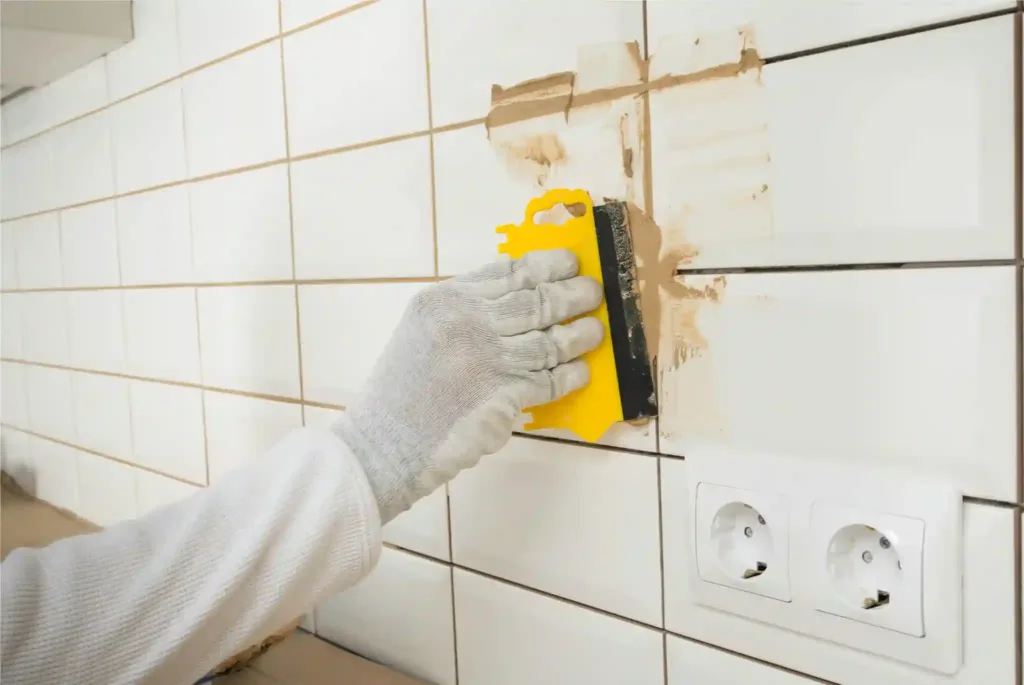
In modern construction and renovation, Joint Filler is an essential material widely used in applications such as tile joints, wall crack repair, and the filling of various architectural gaps. Traditional fillers, primarily based on cement or gypsum, have significant limitations in terms of adhesion, flexibility, and durability. With the continuous development of construction technology, Redispersible Polymer Powder (RDP) has emerged as a key modifying material in fillers, greatly enhancing their performance.
2 Key Benefits of RDP in Joint Fillers
2.1 Enhanced Adhesion
The addition of RDP significantly improves the adhesion of the filler to the substrate (such as tiles, concrete, etc.). The polymer film forms a strong bond with the substrate surface, maintaining stable adhesion even in humid or dynamic environments.
2.2 Improved Flexibility and Crack Resistance
Traditional cement or gypsum-based fillers are typically brittle and prone to cracking due to temperature changes or mechanical stress. The introduction of RDP reduces the rigidity of the filler, providing a certain degree of flexibility to better adapt to joint movement and reduce crack formation.
2.3 Optimized Construction Performance
RDP increases the water retention of the filler paste, preventing rapid water loss and extending the construction time to improve construction quality. Additionally, the formation of the polymer film improves the spreadability of the paste, reducing sagging during application.
2.4 Enhanced Durability
The polymer film has excellent water resistance and weather resistance, effectively blocking water penetration and preventing the filler from deteriorating due to long-term exposure to humid environments. This significantly extends the service life of the filler.
2.5 Other Functions
Some RDPs contain hydrophobic additives, which can provide the filler with certain anti-mold properties. This is particularly important in humid environments, preventing mold growth and maintaining the aesthetics and hygiene of the filler.
3 Practical Application Cases
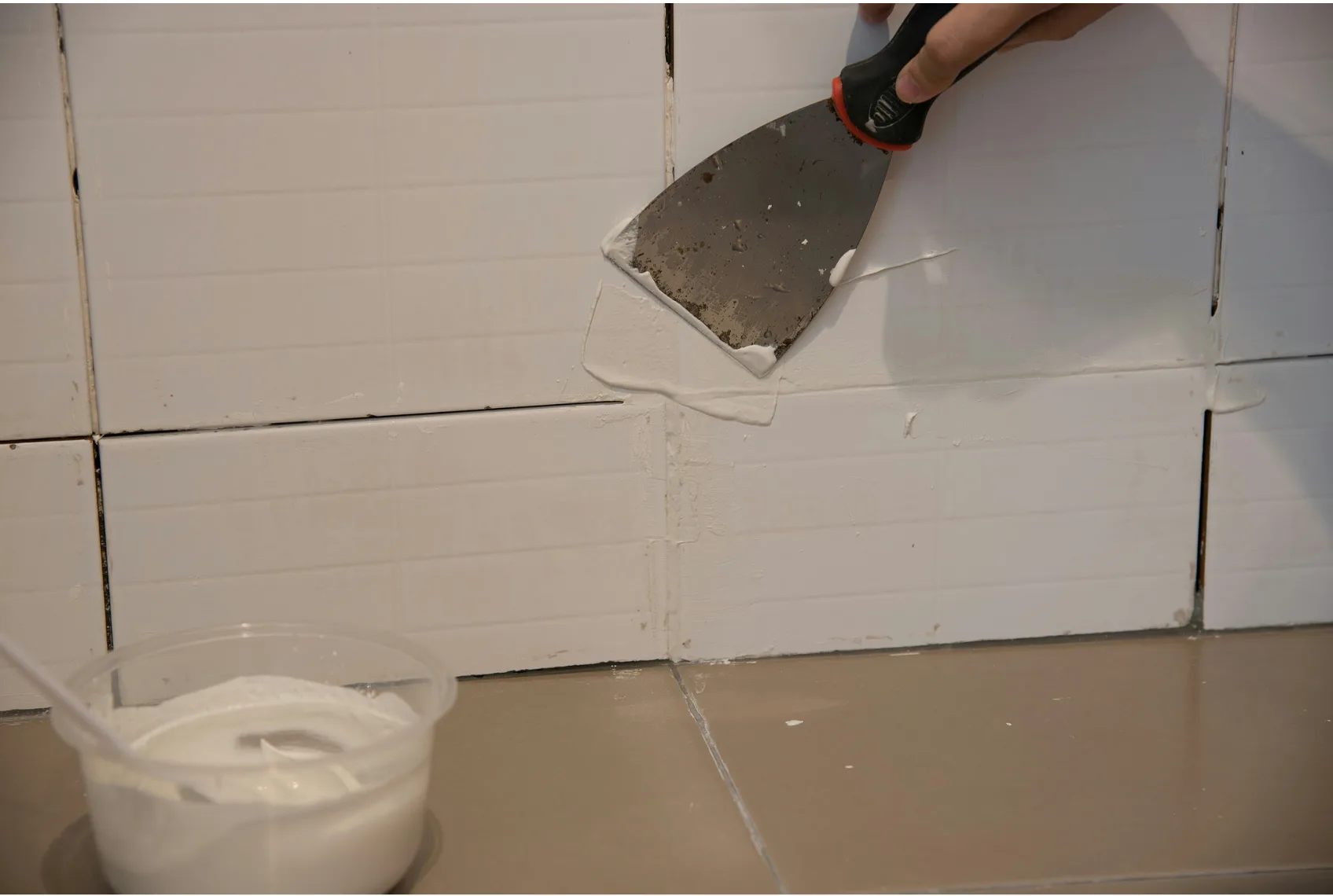
By comparing the performance of fillers with and without RDP (such as ASTM C920 standard tests), the significant improvements brought by RDP are evident. For example, in crack resistance tests, fillers containing RDP can withstand greater deformation without cracking; in adhesion strength tests, their bond with the substrate is much stronger than that of traditional fillers. Moreover, different types of RDP (such as VAC/E) also show certain differences in flexibility and durability, providing more options for practical applications.
4 Recommended Product: Vinabond® RDP
Vinabond® RDP (e.g., N515, H518, H878) improves joint filler performance by:
✅ Reducing water absorption
✅ Enhancing flexibility under stress
✅ Strengthening adhesion to various surfaces
5 Conclusion
RDP transforms joint fillers into high-performance materials by combining strength and flexibility. Products like Vinabond® RDP ensure superior durability, workability, and resistance to cracks and moisture, making them ideal for modern construction needs.