
Introduction: Why HPMC is Essential in Wall Putty Applications
In the world of modern construction, wall putty plays a crucial role in preparing surfaces for painting and coating. Its quality affects both the appearance and longevity of wall finishes. One of the most effective ways to enhance putty performance is through the use of Hydroxypropyl Methylcellulose (HPMC), a powerful and versatile cellulose ethers. For those seeking the best additive for wall putty, HPMC is often the top choice due to its reliable performance.
In this article, we explore the three critical functions of HPMC, focusing on its anti-sagging properties, water retention capability, and workability enhancement. We’ll also delve deeper into the science behind HPMC and real-world application scenarios to give you a complete view of its value.
1. Anti-Sagging Performance: HPMC as a Thickening Agent for Wall Putty
One of the most important benefits of HPMC is its ability to improve vertical stability during application. As a thickening agent, HPMC forms a gel-like structure in water, significantly increasing the putty’s viscosity and resistance to sagging.
How HPMC Prevents Sagging
- Creates a 3D molecular network that provides thixotropic properties.
- Maintains shape and thickness under gravity, even on vertical surfaces.
- Offers adjustable viscosity (5,000–20,000 mPa·s) to suit different application needs.
Use Case: In high-rise buildings, where vertical wall finishing is common, anti-sagging additives like HPMC ensure a smooth and consistent layer without surface runs.
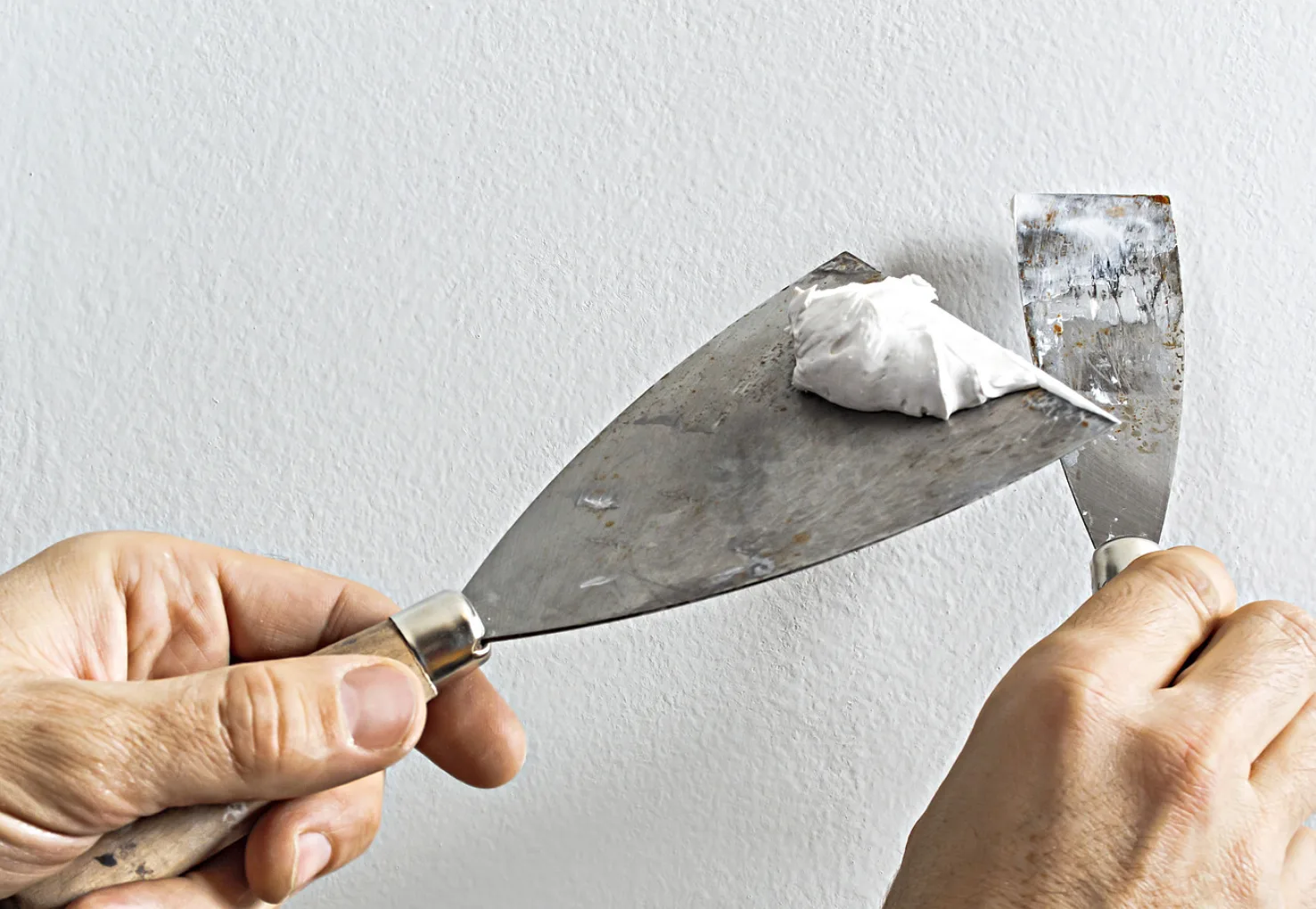
2. Water Retention: Preventing Cracks in Cement- and Gypsum-Based Putty
Proper hydration is essential for the strength and adhesion of wall putty. HPMC acts as a water-retention agent, reducing premature water loss during curing. This helps prevent cracking, powdering, and poor adhesion.
Water Retention Benefits
- Slows down water evaporation in hot or dry climates.
- Allows complete hydration of cement and other binders.
- Enhances adhesion and overall surface integrity.
Technical Note: In arid regions (<40% humidity), the use of HPMC can reduce surface cracking by over 50% compared to ordinary formulations, resulting in more crack-resistant wall putty.
3. Workability & Lubrication: Enhancing Ease of Application
Another critical role of HPMC is in improving putty workability. It reduces friction between the putty and the trowel, allowing for a smoother and faster application. This is especially valuable in large-scale construction projects.
Improved Workability Features
- Reduces friction coefficient by up to 20%.
- Promotes rapid air release, avoiding pinholes.
- Ensures uniform thickness and minimal rework.
Practical Advantage: When working with cement-based or interior wall putty on large surfaces, workability additives like HPMC can dramatically improve efficiency and reduce labor costs, while also helping to improve the finish quality of putty.
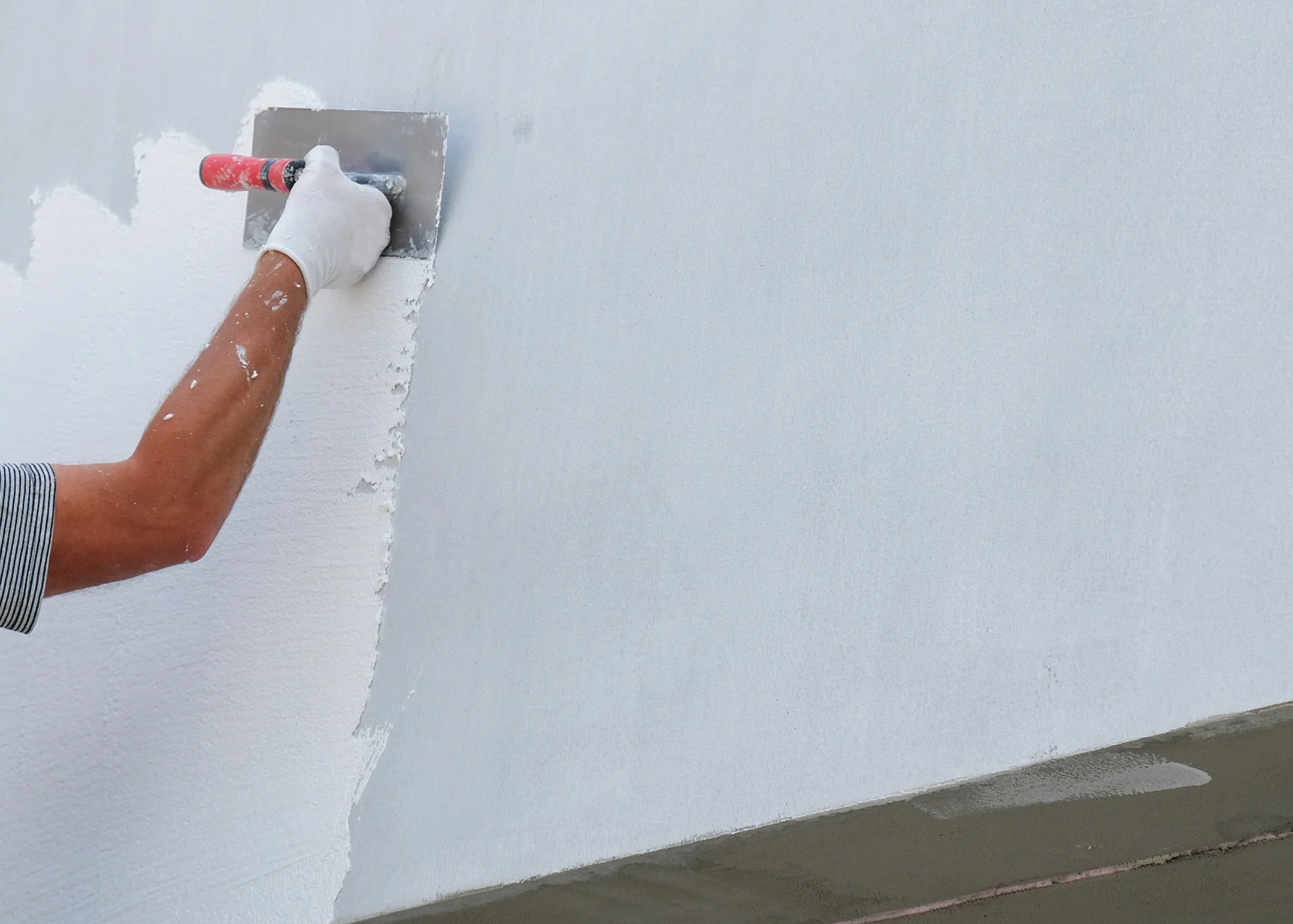
Technical Insight: How the Molecular Structure of HPMC Supports Performance
HPMC is a non-ionic cellulose ether formed by modifying natural cellulose with methyl and hydroxypropyl groups. This modification leads to several functional advantages:
- Hydrophilic molecular chains enhance water retention and prolong open time.
- Gel-like network formation under shear gives the putty excellent spreadability.
- Film-forming ability contributes to better cohesion, bonding strength, and surface finish.
The molecular weight and substitution level of HPMC directly affect its viscosity and gelation behavior, making it possible to customize the product for different putty formulations.
Application Scenarios: HPMC in Different Climates and Substrates
HPMC performs consistently across a wide range of conditions, including:
- Hot, dry climates: Prevents premature water loss and cracking.
- Cold or humid conditions: Maintains workable viscosity and prevents flaking.
- Interior applications: Enhances smoothness and ease of sanding.
- Exterior flexible putty: Provides strength, water resistance, and elasticity.
For gypsum-based systems, HPMC helps to control drying speed and improve adhesion to low-porosity substrates.
Choosing the Right HPMC for Wall Putty: Celotech Product Solutions
As a trusted HPMC supplier in China, Celotech offers multiple cellulose ether grades specifically tailored for wall putty formulations:
| Product | Application | Viscosity/Feature |
|---|---|---|
| Celopro® ME40M | Common putty (cement-based) | Medium viscosity |
| Celopro® MT3025 | Cement/lime-based putty | Medium viscosity |
| Celopro® MT7033 | Gypsum-based putty | Medium viscosity |
| Celopro® MK70M | Thick applications | High viscosity |
| Vinabond® N511 | Rigid cement-based putty | Rigid Vac/E |
| Vinabond® N516 | Flexible exterior putty | Flexible Vac/E |
| Prestar® 1027 | Neutral putty (corn-based) | Pregelatinized starch |
| Stargel® ST300 | HPS-based smoothness enhancer | Enhanced spreadability |
| Celofier® CF300W | All-purpose cellulose fiber | 300µm white fiber |
Note: These additives are ideal for manufacturers looking for HPMC powder for putty, available in bulk or customized packaging.
Future Outlook: The Growing Market for HPMC in Wall Putty
With the global construction industry booming, especially in developing economies, the demand for wall putty is on the rise. Industry forecasts predict a 20% growth in HPMC usage over the next five years.
As sustainability and durability become core values in building material development, chemical additives like HPMC will continue to lead. Cellulose ether suppliers such as Celotech are innovating with customized solutions for enhanced performance.
FAQs: Frequently Asked Questions
Q1: What is the best HPMC viscosity for wall putty?
A: Medium viscosity (30,000–50,000 mPa·s) is generally suitable for most cement-based or gypsum-based putty applications.
Q2: How does HPMC help prevent putty cracks?
A: By retaining water during the curing phase, HPMC ensures full hydration of binders, preventing premature drying and cracking, which is vital for crack-resistant wall putty.
Q3: Can HPMC improve the efficiency of wall putty application?
A: Yes. HPMC improves trowel glide and spreadability, reducing labor time and effort on large surfaces.
Q4: Is HPMC safe and eco-friendly?
A: HPMC is non-toxic, biodegradable, and widely accepted in green building material formulations.
Q5: Where can I buy high-quality HPMC for putty?
A: You can buy HPMC for wall putty directly from Celotech, a leading supplier offering HPMC powder and technical support.